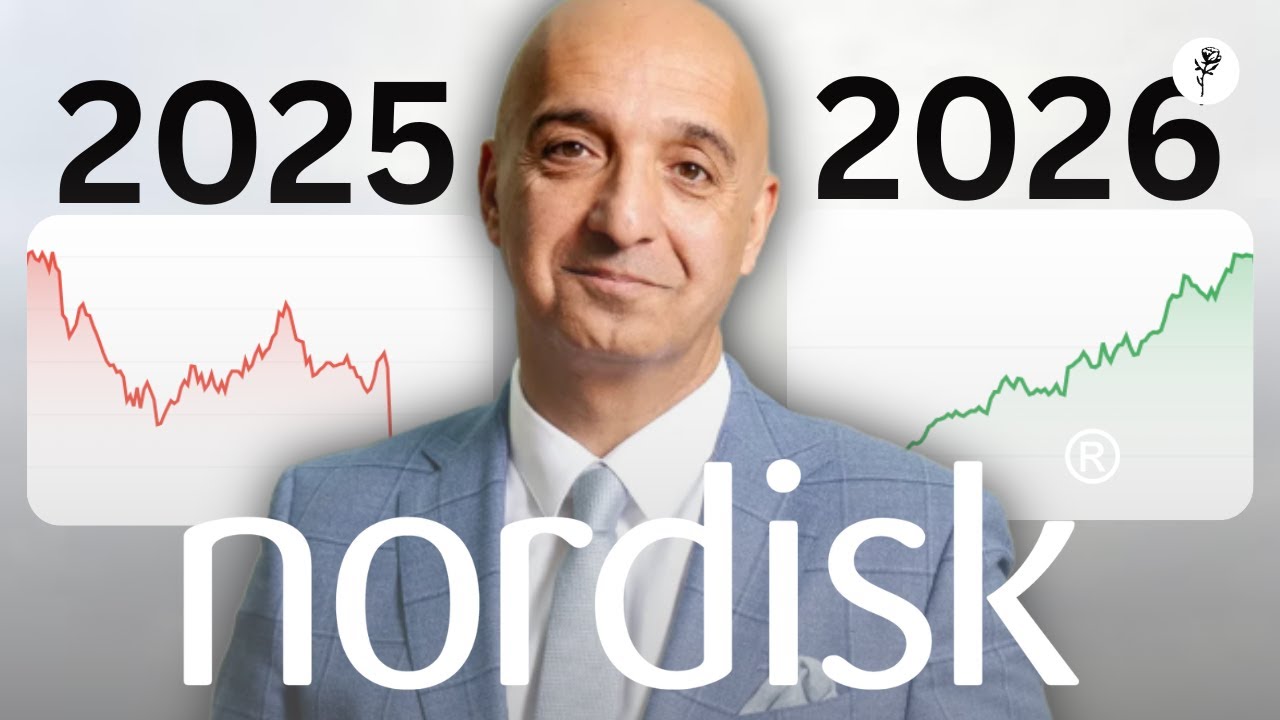
Wall Street expected a lot from Novo Nordisk. They got even more. When the Danish pharma giant dropped its latest financial results, the numbers didn't just meet the mark. They blew right past it. Wegovy pill sales are the engine behind a massive 7% surge in the company's stock price. If you've been watching the obesity medication space, you know this isn't just another earnings report. It's a signal that the oral version of these drugs is about to change the entire industry.
Investors were holding their breath. Most analysts figured that supply chain issues or insurance pushback might slow the momentum. They were wrong. The demand for Wegovy, especially the convenience of a potential pill form, is hit-the-ceiling high. This isn't just about people wanting to lose a few pounds before beach season. We're looking at a fundamental shift in how chronic metabolic disease is managed globally.
The numbers behind the Novo Nordisk stock surge
Let's talk cold hard cash. Novo Nordisk reported sales that effectively silenced the skeptics. Wegovy sales specifically jumped by triple digits compared to the previous year. That’s not a typo. We are seeing a level of adoption that usually stays reserved for tech IPOs or viral gadgets. But this is medicine.
The market reacted instantly. A 7% jump for a company with a market cap as large as Novo's is billions of dollars in value created in a single afternoon. Why? Because the "pill" factor removes the biggest barrier to entry. Shots are scary for some. They’re annoying to store. A pill fits in your pocket. It fits in your life.
I've talked to plenty of folks who hesitated on GLP-1 agonists because they didn't want to deal with needles. Once the oral version becomes the standard, the addressable market basically doubles. The stock price isn't just reflecting current sales. It’s pricing in a future where these medications are as common as a daily multivitamin.
Why the Wegovy pill is the real story here
Injectables like Ozempic and the current Wegovy pens have dominated the headlines for years. They work. We know that. But the logistics are a nightmare. You've got cold-chain shipping requirements, manufacturing bottlenecks for the pens themselves, and the simple fact that many people have a visceral "no thanks" reaction to needles.
Novo Nordisk is betting the house on the oral formulation. The latest data shows that the pill version—using a technology that helps the large GLP-1 molecule survive the stomach’s acid—is delivering results that rival the injections. This is the "holy grail" of obesity treatment.
It’s not just about convenience. It’s about scale. You can produce tablets in quantities that far exceed what you can do with specialized glass syringes and auto-injector mechanisms. If Novo can solve the manufacturing scale-up for the oral version, they don't just lead the market. They own it.
Supply chains are finally catching up
For a long time, the biggest gripe with Wegovy was that you simply couldn't find it. Pharmacies were empty. Patients were rationing doses. It was a mess. Novo Nordisk has spent billions—literally billions—buying up manufacturing sites like the Catalent deal to fix this.
The latest sales beat shows those investments are starting to pay off. The supply is flowing. When the supply flows, the revenue follows. We’re seeing the result of a massive corporate gamble on infrastructure. They built the pipes, and now the money is rushing through them.
What about Eli Lilly and the competition
You can't talk about Novo without mentioning Zepbound and Mounjaro from Eli Lilly. It’s a two-horse race. While Lilly has had its own massive wins, this recent Novo report shows that the Danish firm still has the upper hand in European markets and a very strong grip on the early-mover advantage for oral meds.
Competition is good. It keeps prices from staying in the stratosphere forever. But right now, the demand is so high that both companies could sell every single drop (or pill) they produce and still not satisfy the market. Novo’s 7% stock jump is a reminder that being first matters, but being able to manufacture at scale matters more.
The hidden risks that investors often ignore
It’s easy to get swept up in the hype when a stock is mooning. But let’s be real for a second. There are hurdles. Insurance companies are freaking out about the long-term costs. In the U.S., some pharmacy benefit managers are starting to tighten the screws on who qualifies for coverage.
If the "pill" becomes too popular, the sheer volume of claims could lead to a localized "insurance cliff." We’re already seeing some employers drop weight-loss coverage entirely because it’s eating their entire healthcare budget. Novo Nordisk has to navigate this carefully. They need the volume, but they also need the price to stay high enough to justify the R&D.
Then there’s the "muscle mass" problem. Research is showing that a significant chunk of the weight lost on these drugs is lean muscle, not just fat. This has opened up a whole new sub-sector of the pharma industry: "muscle-sparing" supplements and adjunct therapies. Novo is aware. They’re already looking into combinations that protect muscle while burning fat. If they don't solve this, the long-term health outcomes might not be as rosy as the weight-loss numbers suggest.
The shift in public perception
Honestly, the social stigma is evaporating. A year ago, people were "Ozempic shaming" celebrities. Now? It’s basically a boardroom conversation. People are talking about their GLP-1 journey over lunch. This cultural shift is worth more than any marketing campaign.
When a drug moves from "controversial shortcut" to "standard of care," the revenue becomes "sticky." Patients stay on these medications for years, sometimes for life. That’s a recurring revenue model that makes software-as-a-service companies look weak. This is why the stock keeps climbing. It’s not a one-time purchase. It’s a lifetime subscription to metabolic health.
What to watch in the next six months
If you're looking at Novo Nordisk as an investment or just curious about where this is going, keep your eyes on the regulatory filings for the higher-dose oral Wegovy. The 50mg data was impressive. If the FDA and EMA give the green light for that specific formulation, the 7% jump we just saw will look like a minor tremor.
Also, watch the "off-label" studies. We’re seeing indications that GLP-1s might help with everything from kidney disease to Alzheimer’s and even addiction. Every time a new study comes out showing Wegovy helps with something other than weight, the "value" of the drug increases. It stops being a "vanity drug" and starts being a "survival drug."
How to play this move
Don't chase a 7% jump blindly. Stock prices usually pull back a bit after a massive earnings-day rally. But the underlying story is solid. If you're a long-term believer in the medicalization of weight loss, Novo Nordisk is the primary vehicle.
Check your portfolio for exposure to the broader healthcare sector. If you own a diversified index fund, you likely already have a piece of this. If you’re looking for direct entry, wait for a day when the market is "red" and the hype has cooled off. The fundamentals are there, but the volatility is real.
Start looking at the secondary players too. Companies that make the ingredients, the packaging, or the digital health platforms that track patient progress. The "Wegovy economy" is much larger than just one company in Denmark. It's an entire ecosystem that is currently being rebuilt in real-time.
Keep an eye on the upcoming medical conferences. That's where the real data drops. The marketing materials are nice, but the peer-reviewed studies are what keep the stock price at these levels. If the safety profile holds up as the patient count moves into the tens of millions, Novo Nordisk isn't just a pharma stock. It's the new benchmark for the entire industry.