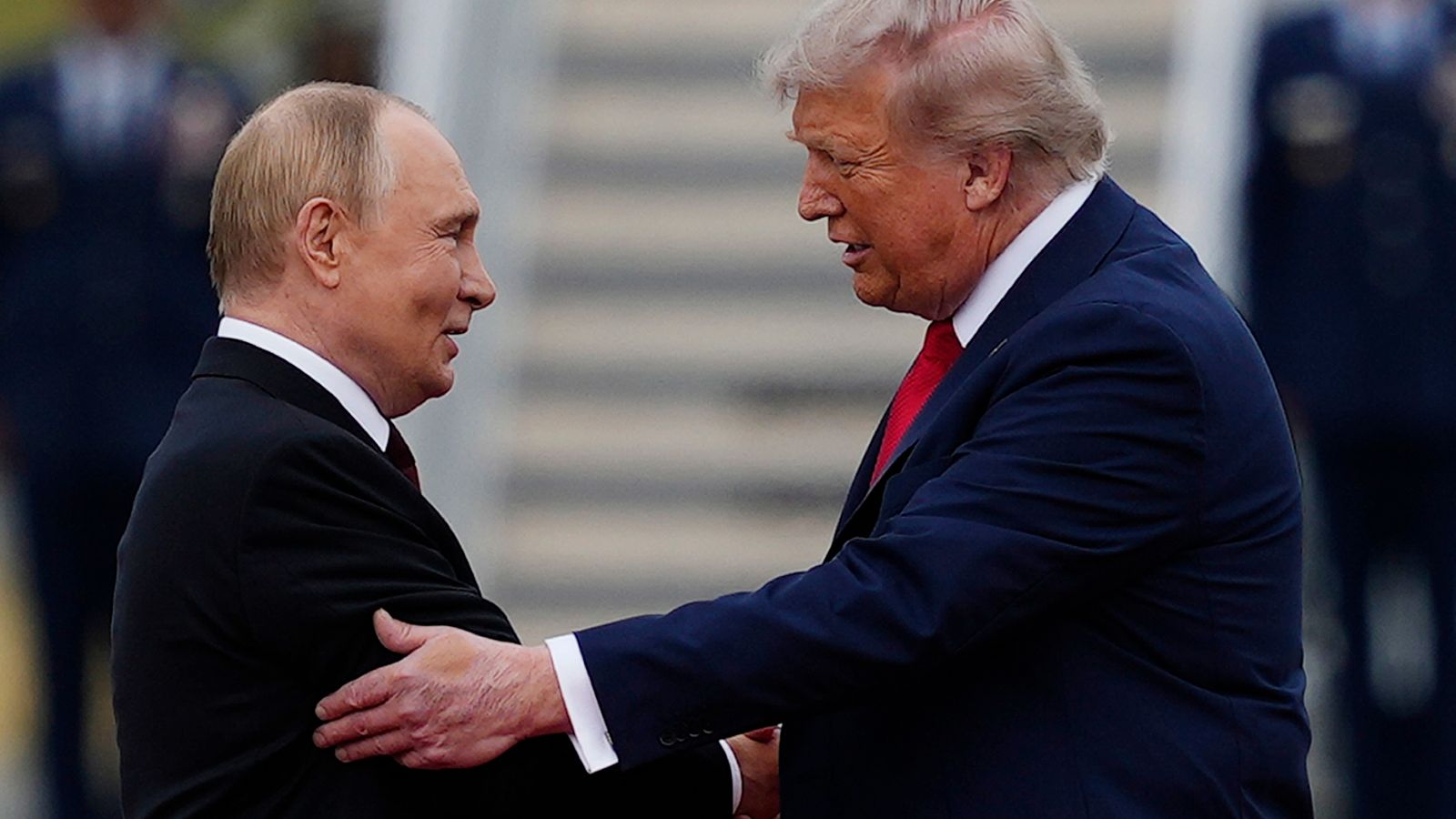
The receiver clicks into place. In a quiet room, far removed from the glare of television cameras and the rehearsed posture of international summits, a phone call ends. Ninety minutes. To the average person, an hour and a half is the length of a standard movie, a long commute, or a Sunday lunch with family. But when that time is shared exclusively between Donald Trump and Vladimir Putin on the eve of a major NATO gathering, those ninety minutes possess a gravity that alters the orbit of global politics.
We often view geopolitics as an abstraction. We look at maps shaded in contrasting colors, read statistics about defense spending, and analyze the sterile language of official communiqués. It is easy to forget that beneath the grand strategy lies a fragile network of human choices, personal egos, and private conversations.
Consider a cold trench in eastern Ukraine. A soldier named Oleksandr—a hypothetical composite of the thousands standing watch tonight—huddles near a small camp stove. He does not know what was said during those ninety minutes. He only knows that the outcome of such conversations dictates whether the sky above him remains quiet or erupts into fire. For Oleksandr, and for millions like him, diplomacy is not an academic exercise. It is the boundary line between life and everything after.
The Weight of the Secret Dialogue
When news broke that Trump spoke with the Russian president for an hour and a half, declaring a readiness to broker an end to the conflict, the political machine in Washington and Brussels kicked into overdrive. Critics parsed every syllable for signs of weakness. Supporters hailed it as a masterstroke of unconventional diplomacy.
But step away from the partisan shouting matches. Look at the mechanics of the interaction itself.
A ninety-minute call between adversarial leaders is rarely a casual chat. It is an intricate dance of posturing, testing boundaries, and searching for leverage. Every pause matters. Every inflection is weighed by teams of translators and intelligence analysts listening in real-time, looking for the unspoken shifts in tone that signal a change in policy.
The timing was deliberate. By placing the call just before the NATO summit, a clear signal was sent to the gathered heads of state. The message was unmistakable: the traditional channels of institutional diplomacy are no longer the only game in town. Private, direct negotiation is back on the table.
The Illusion of Simple Solutions
The temptation to believe in a swift, decisive resolution to a complex war is deeply human. We crave endings. We want the ledger balanced and the conflict closed. When a leader steps forward and suggests that a multi-year war can be resolved through sheer force of will and negotiation, it offers a seductive form of comfort.
But the reality on the ground resists simple narratives. The knot of history, territory, and national identity tied up in the region cannot be untied with a single stroke.
Think about the sheer scale of what must be negotiated. It is not just a matter of drawing a new line on a map. What happens to the families who fled their homes and now live in temporary housing across Europe? Who pays for the reconstruction of shattered cities? How do you guarantee that a peace treaty signed today is not simply a pause button for a future conflict?
These are the heavy, grinding questions that lie beneath the rhetoric of a speedy peace. They are messy, frustrating, and lack the clean appeal of a campaign slogan.
The Empty Seats at the Table
There is an inherent tension in great power diplomacy. Two men in comfortable offices can discuss the fate of nations, but the people who will bear the consequences of their decisions are rarely in the room.
Imagine a school teacher in Kyiv, or a factory worker in a Russian border town. Their daily lives are shaped by the economic sanctions, the draft notices, and the constant, low-lying anxiety of war. When global leaders speak, these citizens listen for any hint of what their future holds. They look for signs of stability, or warnings of further escalation.
The danger of top-down diplomacy is that it can treat sovereign nations as chess pieces rather than collections of living, breathing communities. A sustainable peace cannot be imposed from the outside; it must acknowledge the trauma and the aspirations of those who actually lived through the fighting.
The Gathering Storm in Brussels
As the NATO summit convened following the phone call, the atmosphere among the delegates was charged with a new level of urgency. The alliance has long operated on the principle of collective security and institutional consensus. The sudden reintroduction of highly personalized, bilateral diplomacy creates a profound sense of unease among traditional allies.
They wonder if the commitments made in public forums will hold when private deals are being discussed behind closed doors. This uncertainty changes the behavior of everyone involved. Nations begin to hedge their bets, looking for alternative security arrangements and questioning the reliability of long-standing partnerships.
This shift in trust is subtle but corrosive. Once the belief in a collective shield begins to fracture, the entire structure of international stability becomes wobbly.
The Echoes of the Conversation
The ninety minutes have passed, but the ripples of that conversation are still expanding outward, hitting the shores of various European capitals and influencing the strategic calculations of military commanders.
We are left to watch the public performance that follows. Leaders will give speeches, sign declarations, and pose for group photographs that project an image of unity and strength. But the memory of that long, private phone call remains a ghost in the machine, reminding everyone that the true direction of global events is often decided in whispers, far away from the microphones.
The sun sets over the European continent, casting long shadows across cities that have known both devastating conflict and hard-won peace. The decisions made in the coming months will determine which of those two futures wins out. The stakes could not be higher, and the clock is ticking for everyone involved, whether they sit in a palace of power or a freezing trench on the front lines.