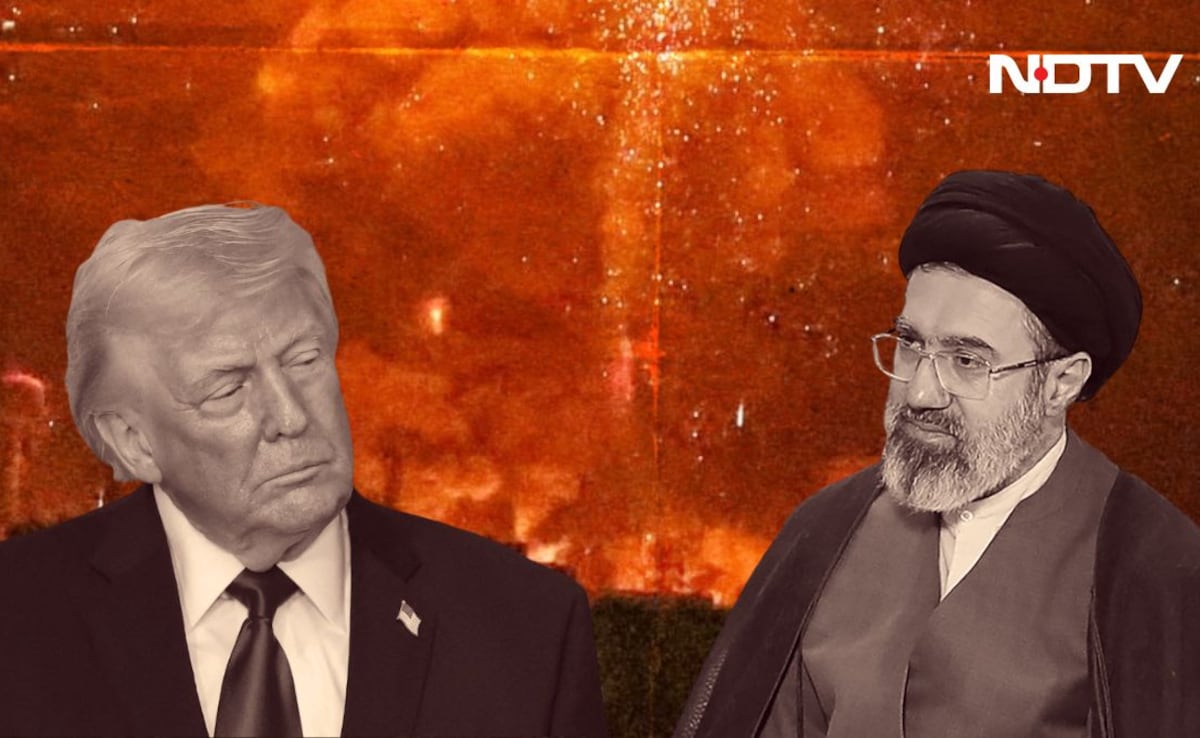
The ink isn't even dry on the "historic" two-week ceasefire between the Trump administration and Tehran, and the media is already tripping over itself to crown a victor. The standard narrative is predictable: diplomats are breathing a sigh of relief, markets are pricing in a "de-escalation premium," and the talking heads are debating whether fourteen days is enough time to build a "bridge to permanent peace."
They are all wrong.
Calling this a "ceasefire" is a fundamental misunderstanding of modern geopolitical leverage. In the theater of high-stakes brinkmanship, a two-week pause isn't an olive branch. It’s a tactical reload. By framing this as a humanitarian win or a diplomatic breakthrough, analysts are missing the brutal reality of the "Pause as a Pivot" strategy.
We aren't seeing the end of a conflict. We are seeing the weaponization of the clock.
The Fourteen-Day Fallacy
The "lazy consensus" suggests that any stop in kinetic activity is a step toward stability. This assumes that peace is the absence of noise. In reality, a short-term ceasefire is often the most volatile period of a conflict.
Why fourteen days? It’s long enough to let the global news cycle reset, but too short to actually dismantle a single centrifuge or move a carrier strike group out of range. If you’ve spent any time in a corporate boardroom during a hostile takeover, you know exactly what this is. It’s the "standstill agreement" before the slaughter.
Trump isn't looking for a Nobel Prize here. He’s looking for a stress test.
By freezing the board for 336 hours, the U.S. forces Iran to reveal its internal fractures. Does the IRGC keep the peace? Do the proxies in Lebanon and Yemen follow suit? If the Iranian leadership can’t hold the line for two weeks, they prove they aren’t a unified state, but a collection of warring factions. That lack of cohesion is worth more to American intelligence than a year of satellite surveillance.
Markets Are Reading the Wrong Script
Oil traders are currently betting on a cooling period. They see the headline and dump futures. That’s a rookie move.
Historically, these brief pauses act as a coiled spring. When you artificially suppress volatility for a fixed period—knowing that the underlying tensions haven’t moved an inch—you are essentially creating a pressure cooker.
I’ve watched institutional investors lose billions betting on "temporary calm" in emerging markets. They mistake a lack of movement for a lack of intent. Iran still needs relief from the "Maximum Pressure" sanctions. The U.S. still needs to ensure the Strait of Hormuz remains an American-managed waterway. Neither of these fundamental goals is addressed by a two-week timeout.
If anything, this window allows both sides to shore up their logistical vulnerabilities. It’s a logistical pit stop. Iran gets to fix its domestic distribution issues; the U.S. gets to recalibrate its cyber-offensive posture without the distraction of daily skirmishes.
The Sovereignty Trap
The competitor's piece makes much of the "Full Statement" released by the White House, treating the rhetoric as the reality. It’s an amateur mistake to read a political press release as a blueprint for action.
The statement focuses on "de-escalation" and "respect for regional sovereignty." These are empty calories. In the world of realpolitik, "sovereignty" is a polite word for "territory we haven't found a reason to seize yet."
True authority isn't granted in a ceasefire; it’s asserted through the ability to break one.
The real power move here isn't the agreement to stop fighting. It's the implicit threat of what happens on day fifteen. By setting a hard, short-term expiration date, the administration has created a "cliff-edge" negotiation. This isn't diplomacy; it’s an ultimatum with a two-week fuse.
Why "Cooling Off" is a Heated Strategy
If you want to understand what’s actually happening, stop looking at the map and start looking at the calendar.
- Information Operations: Both sides are now in a sprint to win the "blame game" for when the ceasefire inevitably ends. If a single stray rocket is fired, the media machine will be primed to scream "bad faith."
- Economic Re-alignment: Two weeks is exactly enough time for shadow tankers to move significant volumes of crude under the guise of "humanitarian window" shipments.
- Internal Purges: For Tehran, a ceasefire is the perfect time to identify and eliminate dissenters who might prefer the "temporary" peace to become permanent.
Imagine a scenario where a CEO announces a two-week freeze on all department budget cuts. Is that a sign the company is doing well? No. It means the consultants are in the back room deciding which 20% of the workforce is getting the axe on day fifteen. This ceasefire is that consultant-led freeze.
The Punditry’s Blind Spot
Everyone is asking: "Will it hold?"
That’s the wrong question. The right question is: "Who benefits most from the silence?"
The U.S. benefits by forcing Iran into a static position where its proxies are forced to be visible. Iran benefits by buying time for its aging infrastructure to catch its breath. Neither of these benefits translates to long-term peace.
We have been conditioned to believe that negotiation is a win-win scenario. It’s not. In this arena, negotiation is just another way to continue the war without spending money on fuel and munitions. It is an exercise in resource management.
If you’re waiting for this statement to lead to a signed treaty and a handshake in Geneva, you’re reading the wrong history books. This isn't 1978. There is no Camp David at the end of this road. There is only a more efficient, more targeted version of the same conflict we’ve been watching for decades.
The Hard Truth About Diplomatic Theater
Peace, when it’s real, is boring. It’s bureaucratic. It’s thousands of pages of trade regulations and fishing rights.
This ceasefire is flashy. It’s a headline-grabber. It’s a "2-Week" countdown clock that creates a sense of urgency and drama. That is the hallmark of a marketing campaign, not a shift in foreign policy.
The "Full Statement" everyone is dissecting is a masterclass in ambiguity. It promises nothing while appearing to offer everything. It’s the "terms and conditions" of a software update that no one reads but everyone clicks "Agree" on because they want the noise to stop.
But the noise never stops. It just changes frequency.
While the world watches the clock count down to zero, the real movers are positioning themselves for the aftermath. The ships aren't turning around. The sanctions aren't being repealed. The rhetoric hasn't actually softened; it’s just been put on a two-week delay.
Stop looking for peace in the pauses. The silence isn't a sign that the guns have been put away; it’s the sound of the world holding its breath before the next round of impact.
Don't buy the "breakthrough" narrative. The ceasefire isn't the story. The reason they need the ceasefire is where the real bodies are buried.
Prepare for day fifteen. The peace is just a distraction.