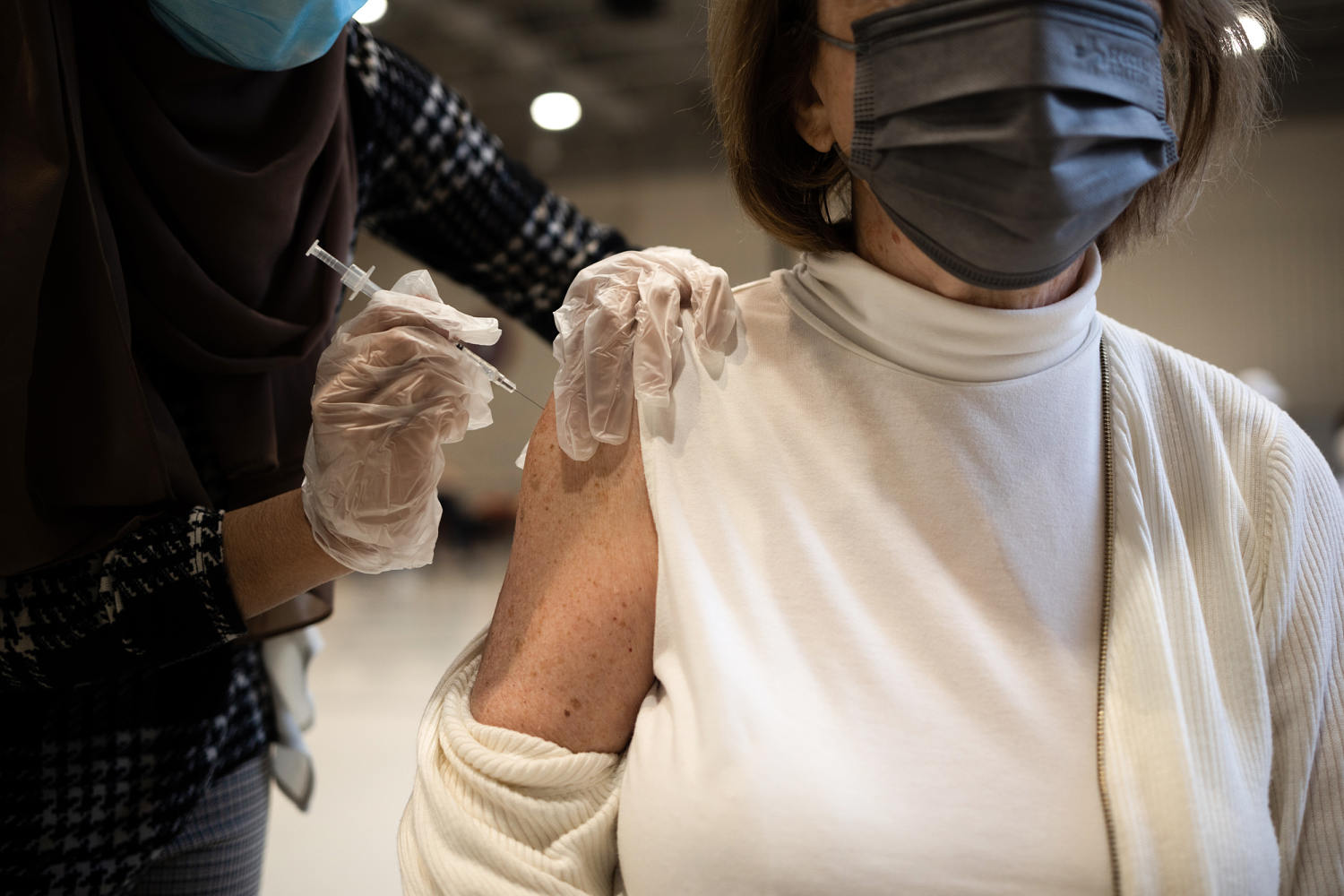
Public health policy is not a humanitarian crusade. It is a cold, calculated exercise in actuarial mathematics. When the average person reads that the Meningitis B vaccine is only handed out to a selective sliver of teenagers, the immediate reaction is emotional outrage. The standard narrative blames bureaucratic cruelty or a lack of funding.
The standard narrative is completely wrong.
The restriction of the Meningitis B vaccine is not a failure of public health. It is a textbook demonstration of health economics functioning exactly as it should. The mainstream media loves to frame this as a story of a system denying life-saving medicine to vulnerable children to save a buck. What they fail to grasp is the stark difference between individual clinical benefit and population-level epidemiology.
If you look at the raw data, mass-vaccinating every single teenager against Meningitis B is an extraordinarily inefficient way to deploy medical resources. The reality of public health distribution requires addressing the brutal mathematical truth behind the scarcity, the biological limitations of the vaccine itself, and why widespread distribution might actually do more harm than good to the broader healthcare system.
The Carriage Illusion and the Failure of Herd Immunity
Most people assume vaccines work like an invisible shield. You get the shot, you stop spreading the bug, the community gets safer. This is true for the Meningitis ACWY vaccine. That specific injection cuts down on carriage, meaning it stops the bacteria from living in the throats of teenagers, effectively breaking the chain of transmission.
Meningitis B is a completely different beast.
The primary vaccine utilized globally, Bexsero, is brilliant at protecting the individual who receives the injection from developing invasive disease. What it does not do effectively is eradicate the carriage of Neisseria meningitidis serogroup B in the nasopharynx of healthy individuals. Teenagers are the primary carriers of this bacteria. They pass it around through kissing, sharing drinks, and living in close quarters.
Imagine a scenario where a government spends hundreds of millions of dollars to vaccinate every single teenager between 13 and 19. The expectation is that the disease will vanish from society. But because the vaccine fails to stop healthy carriage, the bacteria continues to circulate silently throughout the population. The unvaccinated, the infants too young to finish their doses, and the immunocompromised remain exactly as vulnerable as they were before.
Public health officials know this. They look at the Quality-Adjusted Life Year ($QALY$) calculations. Every medical intervention must justify its cost by saving a specific number of years of healthy life. Because the incidence of Meningitis B is remarkably low—despite its terrifying severity—the cost per $QALY$ saved by universally vaccinating healthy, low-risk teenagers skyrockets far past accepted thresholds. You are paying an astronomical premium for zero herd immunity.
The High Cost of Rare Outcomes
To understand the restriction, you have to look at the sheer rarity of the condition versus the cost of the intervention. Invasive meningococcal disease caused by serogroup B is devastating. It causes amputation, brain damage, and death within hours. No one disputes the horror of the disease.
But horror does not equal frequency.
Meningitis B Statistical Breakdown (Hypothetical High-Density Cohort Analysis)
+------------------------+------------------------+------------------------+
| Cohort Size            | Annual Invasive Cases  | Cost of Universal      |
|                        |                        | Vaccination            |
+------------------------+------------------------+------------------------+
| 1,000,000 Teenagers    | ~5 to 10 Cases         | ~$200,000,000          |
+------------------------+------------------------+------------------------+
When you look at the actual incidence rates in developed nations, the numbers are microscopic. We are looking at fewer than one case per 100,000 people annually in many regions. If you roll out a mandatory, multi-dose vaccine package to millions of teenagers to prevent a handful of statistical cases, you run into the problem of opportunity cost.
Every dollar spent on a mass Meningitis B campaign for low-risk individuals is a dollar taken away from mental health services, neonatal intensive care units, or widespread screening for conditions that kill tens of thousands of young people every year. Restricting the vaccine to specific high-risk windows—like first-year university students living in dense halls of residence, or individuals with anatomical asplenia—is not rationing. It is strategic triage.
Why the Private Market Distorts the Truth
If the math against universal rollout is so clear, why does the public demand it so fiercely? The answer lies in the weaponization of parental anxiety by corporate interests and advocacy groups funded by pharmaceutical manufacturing giants.
When a vaccine is approved but not added to a national schedule, a parallel private market emerges. Parents who can afford to shell out hundreds of dollars per dose buy it for their kids. This creates an immediate, visible class divide in healthcare access, which fuels the media firestorm. The narrative shifts from a debate on epidemiology to a fight over economic inequality.
I have watched public health budgets get torn to shreds because of political pressure driven by emotional media campaigns. When a government buckles to public outcry and funds an economically unviable vaccine rollout, they are forced to quiet cut funding elsewhere. The public feels a false sense of victory, completely unaware that the local oncology clinic just had its staffing budget slashed to pay for it.
The hard truth is that the current targeted strategy used by advanced public health agencies is the most ethical approach available. It protects those at the absolute precipice of risk while preserving capital to fight diseases that pose a genuine statistical threat to the majority of the population. Stop demanding universal rollouts based on fear, and start looking at the cold infrastructure of survival.