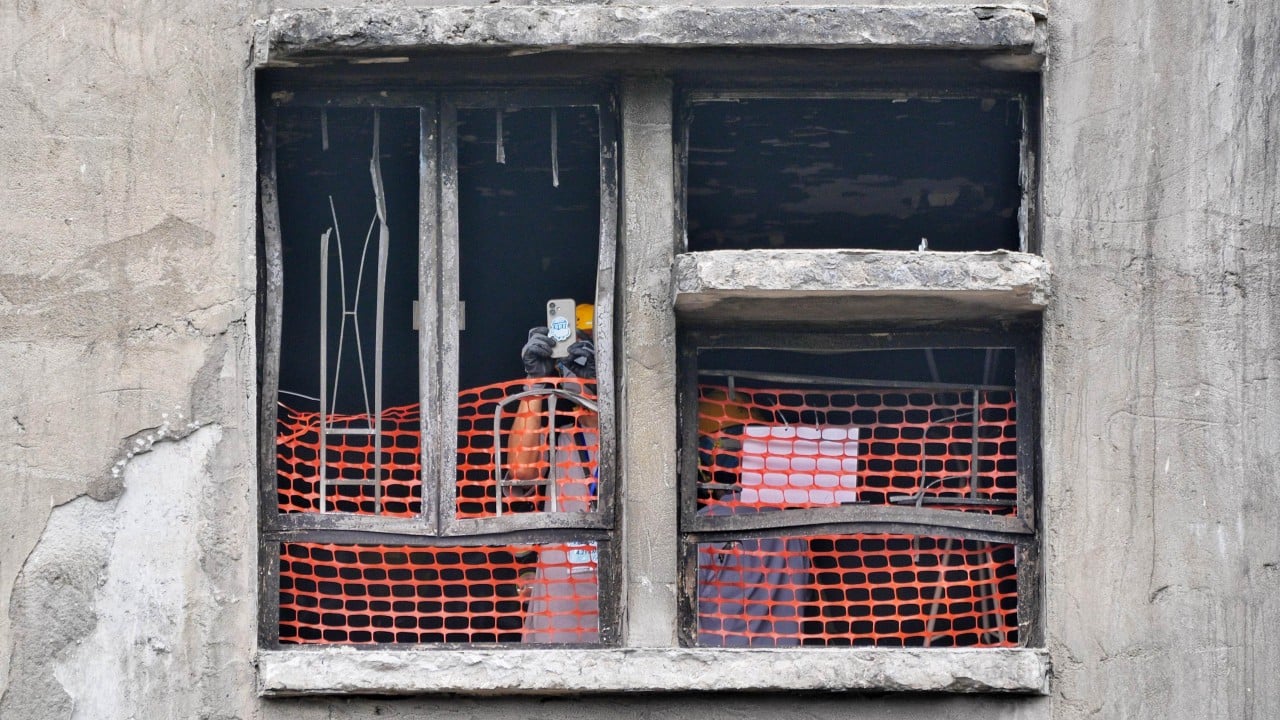
Survival is not a strategy. When the news cycle latches onto the "miracle" of a miner pulled from the dark after two weeks in a flooded Sinaloa shaft, they aren't reporting on a triumph. They are reporting on a systemic failure of engineering and a catastrophic lapse in risk management. We love the hero’s journey. We love the grainy footage of a man blinking in the sunlight while a crowd cheers. But if you care about the reality of extraction, these feel-good stories should make you sick.
The "miracle" narrative is a sedative. It lulls the public and regulators into believing that as long as we can pull a man out of a hole eventually, the system works. It doesn’t. Every day a miner spends trapped is a day the industry admits it has lost control of its most basic physics.
The Myth of the Unforeseeable Flood
The competitor reports treat the flooding of the Sinaloa mine as an act of God—a sudden, violent intrusion of water that nobody could have predicted. This is a lie. In the mining world, water doesn’t just "happen." It is mapped. It is measured. It is managed.
When a mine floods to the point of trapping workers for 14 days, it is almost always the result of "punching through" into old, unmapped workings or ignoring hydrostatic pressure gradients. We have the technology to see through rock. Ground-penetrating radar (GPR) and advanced seismic imaging aren't new. They are standard. Using them costs money. Not using them costs lives—or, in this lucky instance, two weeks of a human being's sanity.
The industry calls these "accidents." I call them accounting decisions. When a company decides to skimp on geotechnical drilling or bypasses the expensive process of dewatering an adjacent abandoned shaft, they are gambling with a "miracle" as their only backup plan.
The High Cost of Cheap Extraction
Sinaloa is a theater of desperation. Small-to-mid-cap mining operations often run on margins so thin that safety protocols are viewed as suggestions rather than mandates. The media focuses on the rescue equipment—the drills, the pumps, the divers. They should be focusing on the balance sheet.
I have seen operations where the "ventilation plan" was a hope and a prayer, and the "emergency egress" was a single ladder that hadn't been inspected since the presidency of Vicente Fox. We praise the rescuers for their bravery, and they deserve it. But we should be asking why that bravery was required in the first place.
If an operation cannot afford the sensors and structural reinforcements required to prevent a collapse or flood, that mine has no business being open. Period. But the "miracle" story shifts the focus from the CEO’s negligence to the rescuer’s heroism. It’s a classic bait-and-switch.
Why Your "Safety First" Poster is a Joke
Most mining companies have a "Zero Harm" policy. It’s a beautiful sentiment that looks great in an annual report. In practice, it often translates to "Don't Report Near-Misses."
When you incentivize zero accidents, you don't necessarily get a safer mine; you get a quieter one. Workers hide small floods. They ignore minor shifts in the hanging wall. They don't want to be the reason the "Safety Clock" resets and everyone loses their bonus. This culture of silence builds until the mountain decides to speak.
The Physics of Entrapment
Let’s talk about what 14 days in a flooded mine actually does to a human body. The competitor article glides over the "resilience" of the survivor. It ignores the reality of trench foot, the onset of hypothermia, and the psychological disintegration that occurs in absolute darkness.
When water levels rise, the air pressure in pockets can spike. This isn't just uncomfortable; it's a physiological assault.
$$P_{total} = P_{atm} + \rho gh$$
In this equation, $P_{total}$ is the pressure the miner is breathing, $\rho$ is the density of the water, and $h$ is the height of the water column. As that water rises, the air is compressed. If the rescue team pumps water out too fast, they risk giving the trapped miner a fatal case of decompression sickness—the "bends"—without him ever touching the water.
Did the "miracle" reports mention the calculated risk of explosive decompression? No. They mentioned he liked his mother’s cooking.
Stop Asking How He Survived
The "People Also Ask" section of your brain is likely wondering: How can I survive if I'm trapped in a mine?
Wrong question. The moment you are trapped, you have already lost. The survival rate for these events is abysmal. For every Sinaloa "miracle," there are a dozen nameless shafts in the hills of Mexico, China, and Africa that become permanent tombs.
The real question is: Why are we still using 19th-century structural logic in 21st-century mining?
The Contrarian Solution: Automation or Obsolescence
The only way to stop these "miracles" is to remove the human element from the high-risk zone. If a stope is prone to flooding, don't send a man with a jackhammer. Send a remote-operated vehicle (ROV).
The pushback is always the same: "Automation is too expensive" or "It takes away jobs."
I’ve seen companies lose more in three weeks of a "miracle" rescue—lawsuits, halted production, equipment loss, and PR nightmares—than it would have cost to automate the entire extraction face. As for jobs, a dead miner or a miner with 14 days of PTSD doesn't have a job anyway. We need to transition from "brave miners" to "skilled technicians" operating equipment from a climate-controlled trailer three miles away.
The Ugly Truth About Rescue Economics
There is a dark irony in the rescue industrial complex. When a miner is trapped, millions of dollars in resources suddenly appear. The government sends the army. Tech companies donate pumps. International experts fly in on private jets.
Where was that money three weeks earlier?
If 10% of the capital spent on the Sinaloa rescue had been invested in automated monitoring systems and proper drainage galleries, the miner would have finished his shift, gone home, and had a beer. Instead, we spent a fortune to fix a problem that we paid to create.
We are addicted to the drama of the save. We find engineering boring and "miracles" exciting. This preference is costing lives.
The False Hope of Regulation
Don't look to the government to fix this. In regions like Sinaloa, mining inspectors are either underfunded, overwhelmed, or in the pocket of the operators. Even when regulations are "robust," they are reactive. A law is passed after a disaster, the industry follows it until the memory fades, and then we wait for the next "miracle."
Real change comes from the insurance markets and the investors. If the underwriters started demanding real-time groundwater telemetry and autonomous extraction as a condition of coverage, the "miracle" stories would vanish overnight. Because the accidents would vanish.
Stop Cheering
The next time you see a headline about a miner rescued against all odds, don't smile. Don't share it as an "inspiring" story.
Demand an investigation into the water management logs. Ask to see the GPR surveys from the month prior. Look at the company’s capital expenditure on safety versus executive bonuses.
The Sinaloa miner didn't survive because of a miracle. He survived because he was lucky. And in an industry that moves millions of tons of earth based on precise calculations, relying on luck is the ultimate sin.
Mining shouldn't be heroic. It should be boring. If it’s exciting enough to make the news, someone failed. Stop celebrating the recovery and start condemning the collapse.