The afternoon sun over the Santa Cruz mountains filters through the redwoods in dusty, golden shafts. It is the kind of northern California day that coaxes you outside, demands that you breathe in the damp earth, and invites you to forget the noise of the world. You step off the paved trail, just for a moment, to let your dog sniff a fern or to clear a fallen branch. Your ankle brushes against a blade of dry grass.
Nothing happens. Or so you think.
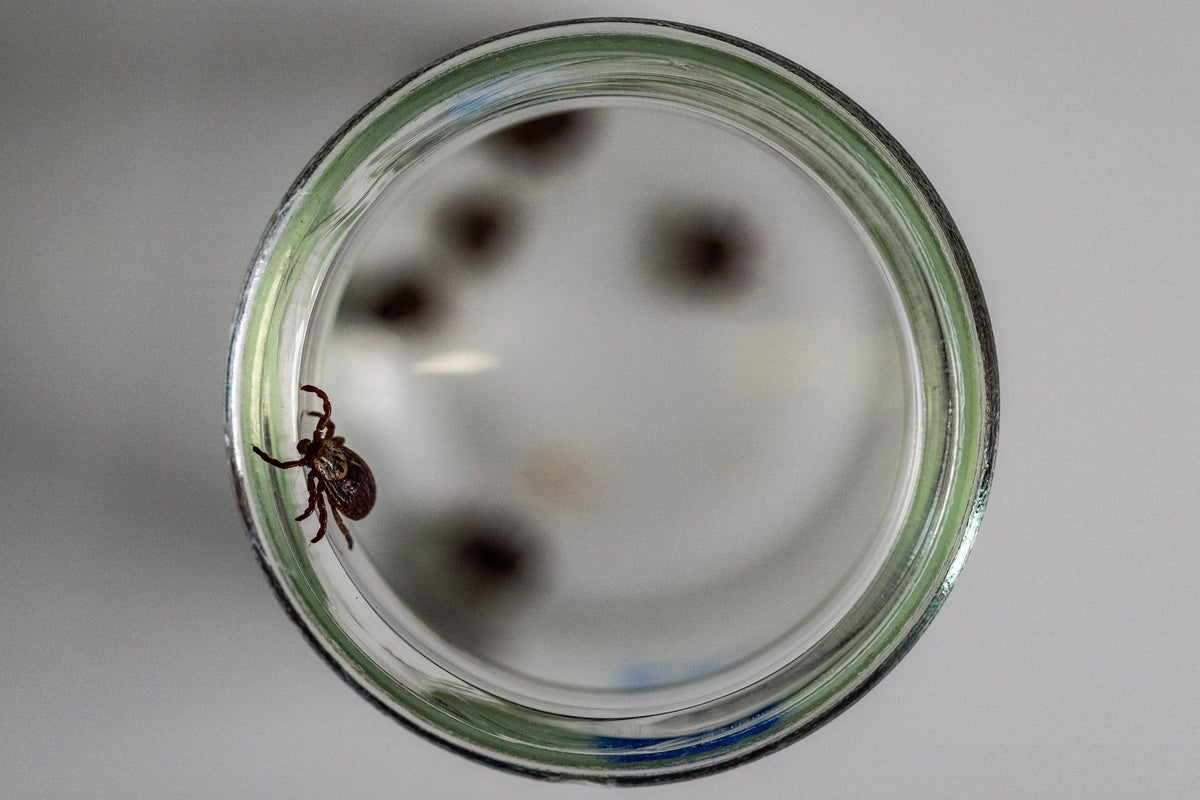
Weeks later, a fever hits. It is not the familiar, slow-burning ache of a winter flu, but a sudden, violent shuddering that rattles your teeth. Your muscles turn to lead. When the doctors ask if you have been traveling, you say no. When they ask if you have been bitten by a tick, you shrug. You never saw one. Why would you? A nymph-stage tick is no larger than a poppy seed. It is a speck of dirt with legs.
Yet, that microscopic speck just handed a California resident a ticket to one of the most exclusive, terrifying clubs on Earth.
Public health officials recently confirmed that a resident of the Golden State became only the fourth person in recorded history to contract a rare, tick-borne parasitic infection known as Babesia duncani. Four people. Ever. In a world of eight billion, those are not just lottery odds; they are lightning striking the same penny twice.
But behind the clinical detachment of official press releases lies a deeper, more unsettling reality about the world we are quietly building. The borders of disease are shifting beneath our feet, and we are entirely unprepared for where they are drawing the new lines.
The Ghost in the Bloodstream
To understand the sheer terror of a novel diagnosis, you have to understand how modern medicine functions. It relies on patterns. A doctor looks at a patient, matches symptoms to a mental catalog of common culprits, runs a standardized test, and prescribes a proven cure. It is a system built on predictability.
When you present with something that has only been seen three times before, the system breaks down.
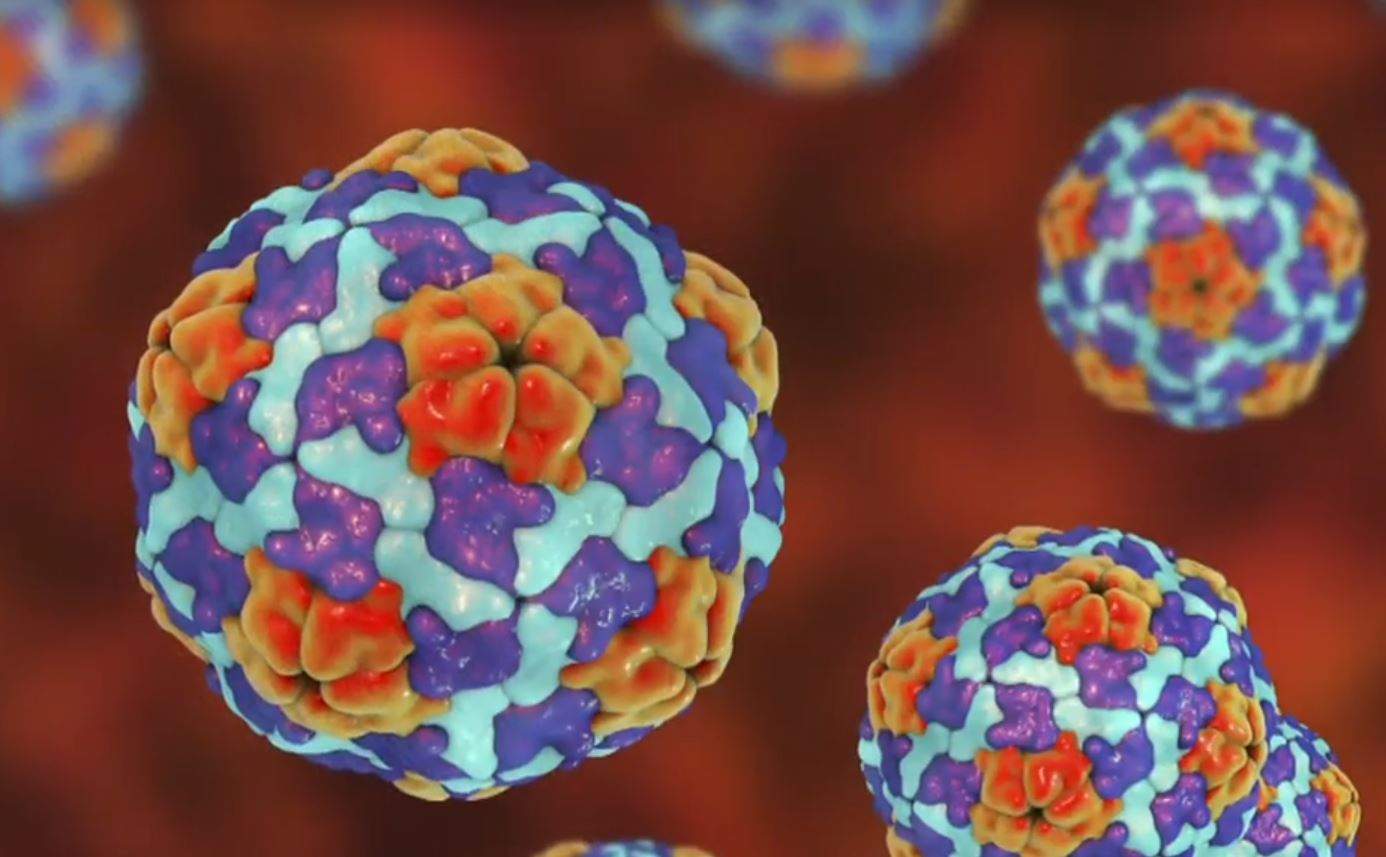
Babesia duncani is not a bacterium like the one that causes Lyme disease. It is a protozoan parasite, a distant, North American cousin to malaria. Once it hitches a ride into the human bloodstream via the saliva of a tick, it seeks out red blood cells. It bores inside them, replicates, and eventually causes the cells to rupture from the inside out.
Consider the diagnostic nightmare this creates. The symptoms—fever, chills, hemolytic anemia, profound fatigue—mimic a dozen different ailments. Standard blood tests looking for typical antibodies come back clean. Weeks bleed into months. The patient grows weaker, the body cannibalizing its own oxygen supply as the parasites quietly multiply in the shadows of the vascular system.
The fear in these scenarios is not just physical pain. It is the psychological isolation of suffering from an invisible ghost that science has barely named. You lie in a sterile hospital room, watching the monitors beep, knowing that the experts standing at the foot of your bed are secretly consulting medical journals in the hallway because they have never actually encountered your disease in real life.
The Shifting Frontier of the Forest
For decades, tick-borne illnesses were viewed through a distinct geographical lens. Lyme disease was something you worried about in the dense woods of Connecticut or New York. If you lived on the West Coast, you worried about wildfires and droughts, not the brush along your hiking trails.
That complacency is our undoing.
The Western blacklegged tick, along with several other regional species, is expanding its resume. As winters grow shorter and summers stretch into parched autumns, the microscopic ecosystems of our forests are mutating. Small mammals—mice, squirrels, and woodrats that act as the natural reservoirs for these exotic pathogens—are thriving in new territories. The ticks that feed on them are moving with them, hitching rides into suburban backyards, city parks, and pristine hiking trails that were once considered perfectly safe.
It is a slow-motion invasion. We tend to think of environmental collapse as a series of grand, cataclysmic events: a crashing glacier, a roaring wall of fire, a flooded coastline. But the truer, more insidious face of ecological disruption is often much smaller. It is a subtle shift in humidity that allows a parasite to survive a week longer in the brush. It is a mild winter that fails to kill off a generation of larvae.
We are encroaching on nature, building our homes deeper into the wildland-urban interface, clearing spaces for pristine subdivisions while inviting the wild—and its hitchhikers—right up to our back porches. Every time we clear a patch of woods, we disrupt the natural predators that keep rodent populations in check. The mice boom. The ticks multiply. The risk compounds.
The Illusion of the Silver Bullet
There is a comforting myth we like to tell ourselves when stories like this break: science will fix it. We assume there is a laboratory somewhere working on a vaccine, or a broad-spectrum antibiotic that can wipe out whatever crawls out of the woods.
The reality is far more fragile.
Because Babesia duncani is so vanishingly rare in humans, there is no massive financial incentive for pharmaceutical giants to pour billions of dollars into targeted therapeutics. The treatments that do exist are often grueling cocktails of antimalarial drugs and heavy antibiotics, regimens designed for other diseases that doctors cross their fingers and hope will work here. They ravage the gut, strain the liver, and leave the patient feeling as though the cure is actively competing with the sickness to see which can break the spirit first.
We are forced to confront a humbling truth: medicine is not omnipotent. We are playing a perpetual game of catch-up with biology, and biology has a three-billion-year head start.
This fourth case in California is a warning shot across the bow. It is proof that the old maps no longer work. You cannot look at a medical textbook from twenty years ago to determine your risk profile today. The frontier has moved, and it has brought its monsters with it.
The Long Walk Back to the Trail
So, what do we do when the ground beneath our feet becomes hostile?
We do not stop hiking. We do not lock ourselves indoors, sealing the windows against the breeze. To abandon the wild out of fear is to surrender a vital piece of our humanity. But we must trade our arrogance for vigilance.
The next time you return from a walk beneath the redwoods or a stroll through a grassy meadow, look closer. Do not just brush off your jeans and jump into the car. Check the warm folds of skin behind your knees. Run your fingers through your hair. Look for the speck of dirt that moves.
Somewhere in California, a person is recovering from an ordeal that almost no one else on this planet can truly comprehend. Their blood is finally clearing. The fever has broken. But the world they are stepping back into is subtly different from the one they left. It is a world where the line between the wilderness and the living room has worn incredibly thin, and where the smallest creatures carry the heaviest stakes.