Cuba is running out of time, and its lights are quite literally going out. The island faces its worst energy collapse in decades, a grinding crisis that has left millions of people sitting in dark apartments, watching food rot in powerless refrigerators. Surgeries are getting canceled, clean water is scarce, and public life has ground to a near-total halt.
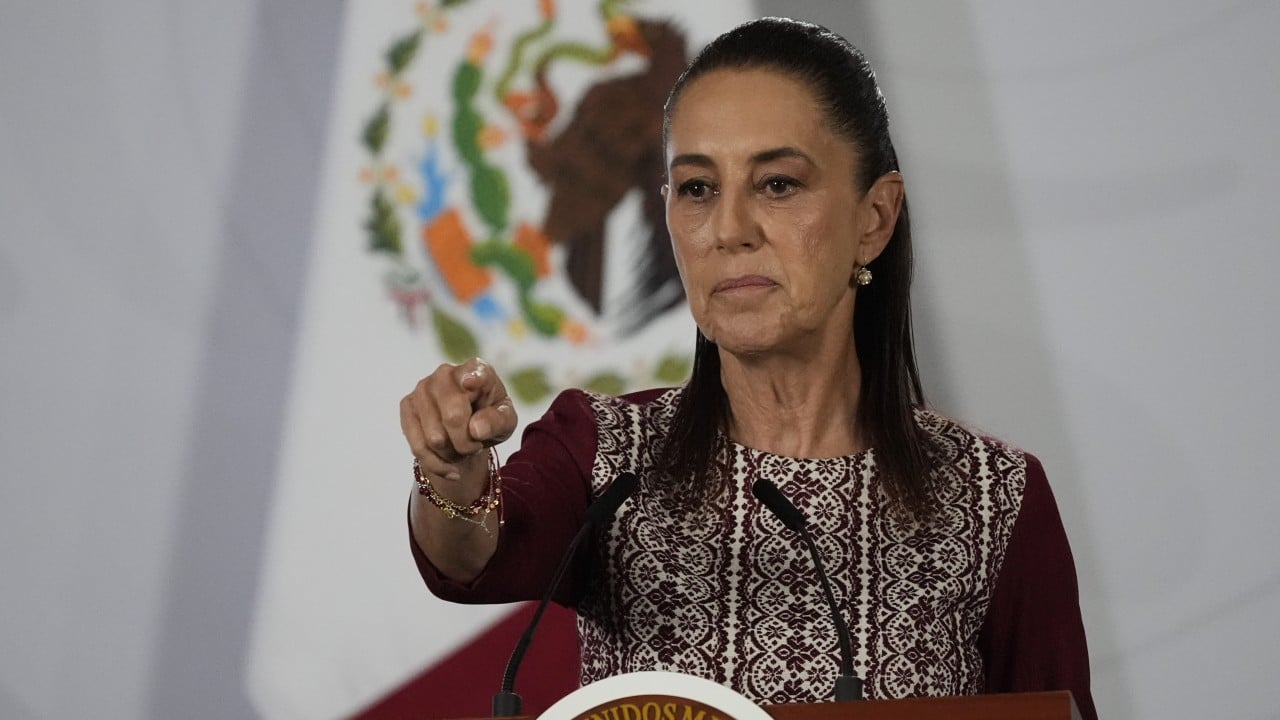
Enter Mexican President Claudia Sheinbaum. In a bold political gamble, Sheinbaum just announced that Mexico wants to restart oil shipments to the blockaded island. It's a move that brings immediate relief to Havana, but it forces a massive geopolitical showdown with the United States.
You have to look at the map to understand how Cuba got into this corner. The island produces only about 40% of the petroleum it needs to function. The rest has historically come from regional allies like Venezuela and Mexico. But after U.S. forces ousted Venezuelan President Nicolás Maduro, that critical pipeline vanished. Washington tightened the screws even further when U.S. President Donald Trump signed Executive Order 14380, threatening crippling tariffs on any nation that dared to sell or gift oil to the Cuban government.
For months, Mexico held back its fuel tankers, terrified of triggering a trade war with its largest economic partner. Now, Sheinbaum is trying to bypass the American blockade using a clever loophole. Instead of sending oil through Pemex, Mexico’s state-owned energy giant, she plans to use private, commercial firms that already possess transport permits. She's capitalizing on a new wave of free-market reforms that Cuba recently enacted to let Mexican business owners on the island step in as middlemen.
It's a high-wire act. If it works, Sheinbaum keeps Cuba from total state collapse. If it fails, Mexico could face devastating economic retaliation from Washington.
The Brutal Reality of a Total Grid Failure
To understand why Mexico is willing to take this risk, you have to look at what's happening on the ground in Havana and beyond. Cuba's electrical grid is completely crumbling.
Earlier this year, the Antonio Guiteras Power Plant suffered a catastrophic shutdown, plunging millions into darkness. Weeks later, the entire national grid completely collapsed. When a country lacks fuel, the ripple effects hit every single layer of human survival.
- Hospitals are rationing power, forcing doctors to postpone life-saving surgeries.
- Water systems have failed because there isn't enough electricity to pump water into residential neighborhoods.
- Agriculture is paralyzed, leaving crops rotting in fields because tractors don't have diesel.
- Sanitation has broke down, with garbage piling up on city streets because trash trucks are stranded at empty gas stations.
The tourism sector, which keeps the Cuban economy afloat, has completely cratered. International airlines, including Air Canada, suspended flights to the island simply because Cuban airports ran out of jet fuel and couldn't guarantee they could fill up returning planes. Foreign traveler numbers have plummeted by roughly 58%.
Right now, Cuba is running on fumes. Since the Venezuelan supply lines snapped, only a single Russian tanker carrying 730,000 barrels of oil has successfully docked in Cuba. The island burned through that entire supply in less than thirty days.
The Loophole in the U.S. Blockade
Sheinbaum isn't looking for an open fistfight with Donald Trump. Instead, she's trying to outmaneuver him.
The Mexican government has spent months sending hundreds of tons of food and medical supplies via the Navy. Washington permits these shipments because they fall under strict humanitarian aid guidelines. But food doesn't turn the lights back on. Cuba needs heavy crude to fire up its aging thermoelectric plants.
By shifting the mechanism to private commercial companies, Sheinbaum is trying to shield Pemex and the Mexican state from direct U.S. sanctions. She's counting on the fact that Cuba's newly minted private enterprise laws will allow these independent companies to buy and distribute fuel under the guise of commercial trade, making it harder for American lawmakers to legally justify blanket tariffs against Mexico.
It's a gamble built on thin legal ice. The White House has made it clear that any entity, public or private, assisting the Cuban energy sector is a target.
Geopolitics Over Profit
Why is Mexico sticking its neck out for an island that can't even afford to pay for the oil? Honestly, it comes down to deep-seated political ideology and regional stability.
Mexico has historically opposed the American economic embargo against Cuba since the 1960s. For Sheinbaum, supporting Cuban self-determination isn't just about charity; it's a core tenant of Mexican foreign policy. There's also a massive fear of what happens if Cuba completely implodes. A total collapse of the Cuban state would trigger an unprecedented migration crisis, sending hundreds of thousands of refugees straight toward Mexican shores and the U.S. border.
Sheinbaum is betting that a stable Cuba is worth the diplomatic friction with Washington. Whether Trump decides to look the other way or unleash a tariff war remains the multi-billion-dollar question hanging over the Caribbean.
To see the stark reality of how this fuel starvation has frozen daily life in Havana, watch this Havana gas station crisis footage, which shows long lines and empty pumps outside the U.S. Embassy.