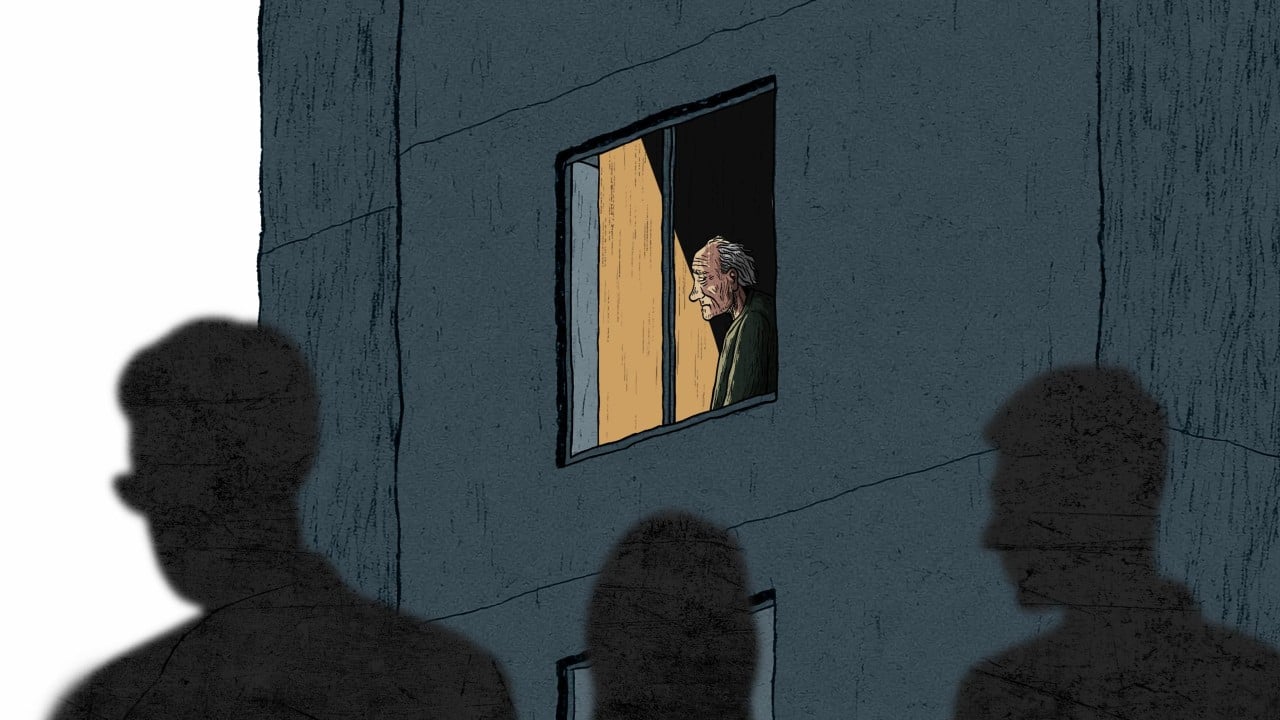
The average search for a rare disease diagnosis drags on for nearly a decade, transforming American living rooms into makeshift war rooms. Parents spend years flipping through conflicting lab reports while insurance companies repeatedly deny coverage for specialized testing. This agonizing timeline is not an accident of nature. It is the direct result of a fragmented healthcare system that financially disincentivizes complex investigative medicine, leaves general practitioners without adequate screening tools, and treats genomic sequencing as a luxury rather than a frontline necessity. While the medical establishment celebrates breakthrough therapies, the systemic machinery required to actually find these patients remains fundamentally broken.
The Diagnostic Odyssey by Design
For a family dealing with an undiagnosed condition, the medical system feels less like a safety net and more like an endless bureaucratic maze. The numbers paint a grim picture. A patient with a rare condition visits an average of eight physicians and receives multiple misdiagnoses before finding an accurate answer. Meanwhile, you can find other events here: The Anatomy of Nosocomial Outbreaks: A Systemic Failure Analysis of Pediatric HIV Transmission in Sindh Healthcare Facilities.
This delay happens because modern medicine is built for the common, the predictable, and the easily billable.
The standard insurance-driven clinic operates on a strict productivity model. Doctors are allocated roughly fifteen minutes per patient. In that window, a physician must review charts, perform an examination, log data into an electronic health record system, and formulate a plan. If a child presents with a highly unusual combination of neurological and metabolic symptoms, fifteen minutes is barely enough time to scratch the surface. The easiest path—and the one the system rewards—is to refer the patient to a specialist, who then refers them to another specialist, kicking the diagnostic can down the road for months or years. To explore the full picture, check out the detailed analysis by CDC.
Furthermore, medical education inherently trains doctors to look for the most likely culprit. The old adage "when you hear hoofbeats, think horses, not zebras" is drummed into every medical student. But for the roughly 30 million Americans living with a rare disease, they are the zebras. By the time a primary care doctor exhausts the standard list of "horses," years have passed, and the patient’s condition may have progressed past the point of effective intervention.
The Genomic Gatekeepers
The technology to dramatically shorten this timeline already exists. Next-generation sequencing, specifically whole exome sequencing (WES) and whole genome sequencing (WGS), can pinpoint genetic mutations in a single test. Yet, these tools remain tightly guarded by insurance gatekeepers who view genetic exploration as an expensive fishing expedition.
Consider a hypothetical example: A toddler suffers from unexplained developmental delays and intractable seizures. The local pediatrician suspects a rare genetic syndrome and orders whole genome sequencing. The insurance company denies the claim, stating the test is "investigational" or "not medically necessary," despite clear clinical guidelines suggesting otherwise. The parents are forced to file appeals, a process that can take six months to a year per attempt, while their child's neurological health deteriorates.
This structural barrier creates a stark economic divide. Wealthy families can afford to pay out-of-pocket for private genomic testing, which can cost several thousand dollars. Lower-income families are left stranded, relying on standard blood panels and imaging techniques that are fundamentally incapable of detecting deep genetic anomalies.
The irony is that this gatekeeping is financially short-sighted. A long diagnostic search costs the healthcare system significantly more in repeated emergency room visits, redundant imaging, and unnecessary surgeries than the upfront cost of comprehensive genetic sequencing. Insurance companies operate on short-term actuarial horizons, often betting that a patient will change employers or switch plans before the long-term savings of an early diagnosis are realized.
The Ghost Data Crisis
Even when genetic data is successfully acquired, the medical community faces a massive interpretation bottleneck. Human DNA contains millions of variants. Distinguishing a benign genetic quirk from a pathogenic mutation requires highly specialized knowledge and access to robust, updated databases.
Right now, much of that critical data is trapped in institutional silos.
Academic medical centers and private laboratories often guard their patient mutation databases like proprietary trade secrets. A variant classified as "unknown significance" at a community hospital in Ohio might be fully understood by a researcher at a university in California. Because there is no universal, mandatory federal repository for clinical genomic data, these insights rarely connect.
- Data Fragmentation: Labs use different software platforms, making automated data sharing difficult.
- Privacy Paranoia: Overly rigid interpretations of privacy laws prevent institutions from sharing de-identified genetic profiles that could save lives.
- Lack of Standardization: The criteria for declaring a genetic variant "pathogenic" can vary significantly between institutions.
This lack of data liquidity means that even when parents successfully advocate for genetic testing, they are frequently met with ambiguous results. They are handed a report filled with Variants of Uncertain Significance (VUS), leaving them exactly where they started: searching for answers without a clear therapeutic roadmap.
The Myth of the Modern Specialist
When the standard medical system fails, parents naturally turn to elite pediatric specialists at major academic centers. However, these institutions are drowning in their own logistical crises. The demand for pediatric geneticists and neurodevelopmental specialists vastly outstrips the supply.
It is entirely common for top-tier hospitals to have a twelve- to eighteen-month waiting list just for an initial consultation.
During this waiting period, families are left entirely unsupervised. General practitioners, uncomfortable with the complexity of the suspected conditions, hesitate to prescribe medications or physical therapies that might inadvertently worsen the child's state. The parents become full-time researchers, scouring medical journals and online forums to find matching symptom profiles.
This reliance on crowd-sourced medicine is highly risky. While online parent networks offer invaluable emotional support and practical advice, they cannot replace clinical oversight. Desperate parents frequently turn to unproven alternative therapies, specialized diets, or imported supplements out of sheer desperation, sometimes causing accidental harm to an already fragile child.
Rebuilding the Diagnostic Pipeline
Fixing this crisis requires a fundamental shift in how the medical system values diagnostic investigation. We cannot continue to rely on the sheer grit of exhausted parents to drag their children through an adversarial system for a decade.
First, public and private insurance frameworks must mandate immediate coverage for whole genome sequencing when a child misses multiple major developmental milestones without an obvious environmental cause. Eliminating the months-long appeal process would instantly shave years off the diagnostic timeline.
Second, the medical establishment must create dedicated, cross-disciplinary diagnostic clinics. These centers should operate outside the traditional fifteen-minute billing model, allowing teams of geneticists, metabolomic experts, and neurologists to review complex cases collectively.
Finally, federal funding must be tied to data sharing. Any laboratory receiving federal dollars—directly or indirectly through Medicare or Medicaid reimbursements—should be legally required to deposit de-identified variant data into a centralized, open-access national database.
The current system relies on the assumption that a diagnosis is a luxury that can wait. For the thousands of children regressing in silence while their parents fight administrative battles, a diagnosis is the bare minimum required to fight for their lives.