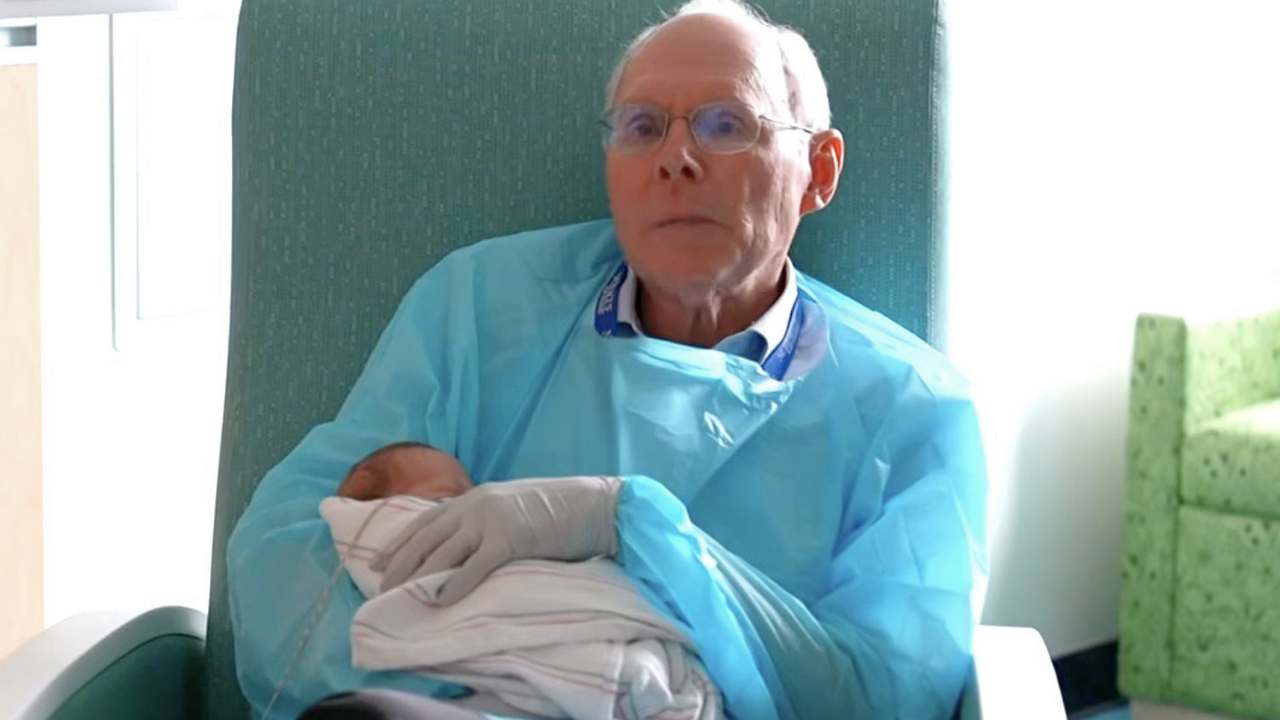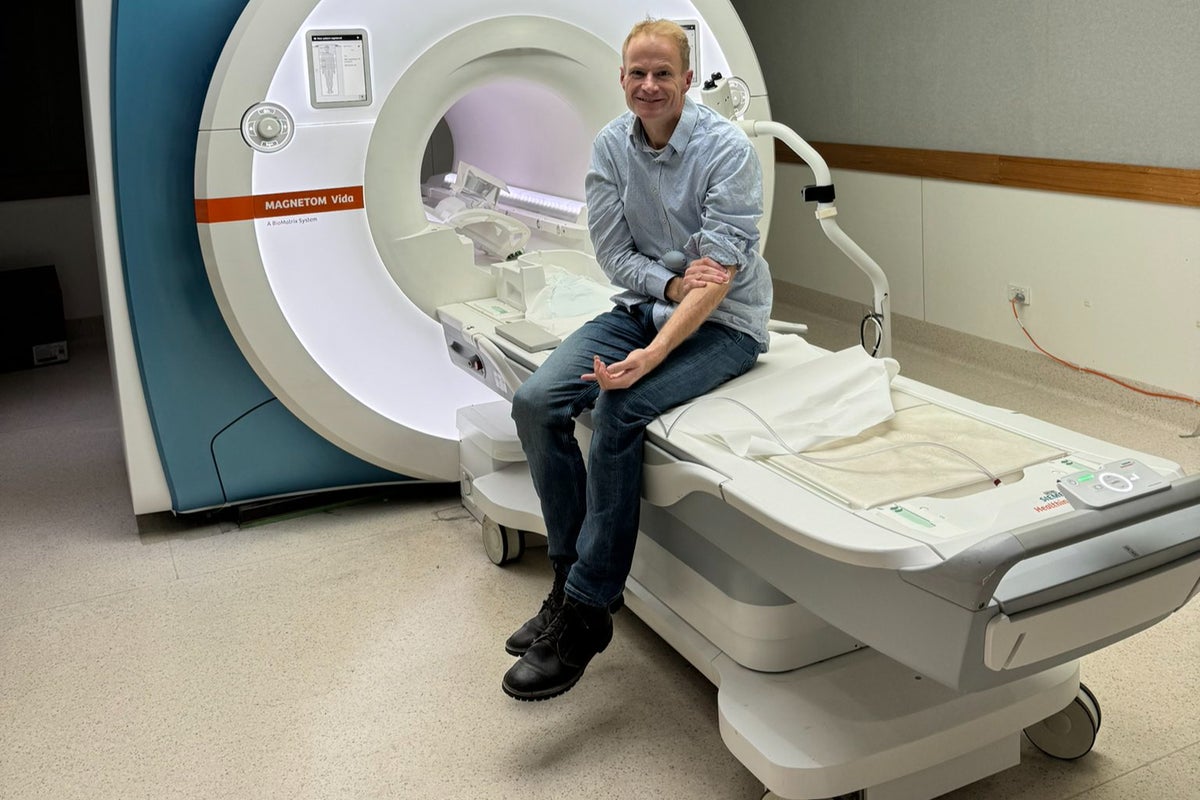
The death of a pioneering oncologist undergoing a personalized, world-first experimental treatment highlights the structural friction between individualized therapeutic design and human tumor kinetics. When an expert clinician transitions into an $N=1$ trial subject, the case shifts from a standard clinical event to a rigorous stress test of personalized medicine. The core constraint of custom oncology interventions is not the theoretical validity of the science; it is the operational velocity of the pipeline relative to the compounding growth rate of advanced malignancies.
Analyzing these single-patient experimental frameworks requires evaluating the biological, regulatory, and manufacturing variables that govern personalized therapeutics. By dismantling the workflow of custom oncological interventions, we can isolate why highly specific molecular targets frequently fail to yield clinical efficacy in terminal landscapes.
The Tri-Partite Lifecycle of Custom Therapeutics
The execution of an $N=1$ experimental therapy progresses through three sequential phases. A delay in any single phase compounds the risk of therapeutic irrelevance, as the patient's tumor burden alters dynamically throughout the process.
[Biopsy & Sequencing] ──> [Regulatory & Synthesis] ──> [Dosing & Kinetics]
        │                           │                          │
        ▼                           ▼                          ▼
  Tumor Shifts                Systemic Lag               Tumor Outpaces
(Genomic Drift)            (Manufacturing Window)       (Clonal Expansion)
1. Genomic Mapping and Target Identification
The process initiates with deep genomic sequencing of the patient's tumor to identify neoantigens or actionable mutations absent in healthy tissue. This phase establishes the baseline dataset. The structural limitation here is temporal sampling bias. A biopsy captures a single spatial and temporal snapshot of a highly mutable system. While sequencing occurs, the tumor continues its clonal evolution, meaning the therapeutic target identified at day zero may no longer drive the malignancy by the time treatment is ready.
2. Regulatory Clearance and Compounding
Once a molecular target is identified, the asset must be synthesized or modified specifically for one individual. This requires navigating compassionate use pathways or expanded access frameworks. The regulatory mechanism must balance patient safety against the necessity of speed. The manufacturing bottleneck involves creating a stable, sterile, and precisely dosed agent—whether a custom mRNA vaccine, engineered T-cells, or a novel small molecule inhibitor—outside of a scaled pharmaceutical infrastructure.
3. Therapeutic Administration and Kinetic Matching
The final phase introduces the agent into a compromised biological system. For an experimental intervention to succeed, its pharmacokinetics must outpace the tumor's doubling time. In advanced stages, the volumetric growth of the tumor often scales exponentially, while the therapeutic agent’s distribution, binding affinity, and immune-activation timelines operate on linear or fixed biological schedules.
The Math of Clonal Evolution and Kinetic Failure
To understand why customized treatments fail despite perfect molecular matching, one must evaluate the mathematical reality of tumor heterogeneity. A advanced malignancy is not a homogenous mass of identical cells; it is a branching ecosystem governed by Darwinian selection.
Let the total tumor cell population be $N(t)$. In the absence of effective intervention, growth can be modeled via a standard exponential or Gompertzian function:
$$N(t) = N_0 e^{rt}$$
where $N_0$ is the cell count at diagnosis and $r$ is the net proliferation rate.
When a custom therapeutic is engineered to target a specific surface antigen or genetic mutation, it applies selective pressure to a specific subpopulation of cells, $N_{\text{target}}(t)$. However, due to inherent genetic instability, the tumor continuously generates resistant clones, $N_{\text{resistant}}(t)$, through a mutation rate per cell division, $\mu$.
The total population dynamics shift under therapeutic pressure:
$$\frac{dN}{dt} = (r - k_{\text{therapy}})N_{\text{target}} + r_{\text{resistant}}N_{\text{resistant}}$$
Here, $k_{\text{therapy}}$ represents the kill-rate efficiency of the custom drug. If the manufacturing and regulatory timeline takes $T$ weeks, the absolute tumor burden at the time of first dose is:
$$N(T) = N_0 e^{rT}$$
If $T$ is prolonged, two catastrophic failures occur:
- The total tumor mass increases, severely degrading the patient’s performance status and organ function, which reduces their tolerance for therapeutic toxicity.
- The subpopulation of resistant clones expands proportionally, rendering the highly targeted therapy obsolete upon arrival. The drug eliminates the primary clones, only to clear ecological space for rapid proliferation of the resistant variants.
Structural Bottlenecks in Single-Subject Infrastructure
The transition from institutional oncology to experimental single-patient intervention introduces distinct operational friction points. Traditional clinical trials rely on statistical aggregation across large cohorts to obscure individual variances. $N=1$ trials possess no such margin for error.
The Manufacturing Lag
Custom biological agents, such as autologous cell therapies or patient-specific neoantigen vaccines, require extracting patient tissue, shipping it to specialized facilities, ex vivo expansion or synthesis, quality control testing, and return delivery. This supply chain contains multiple single points of failure. Contamination during cell expansion or a failure to meet minimum viability thresholds requires restarting the process, effectively doubling the timeline $T$ and ensuring the tumor outpaces the intervention.
The Compassionate Use Paradox
Regulatory bodies permit experimental dosing under expanded access protocols only when standard of care options are exhausted. This creates a systemic paradox: the therapy can only be legally administered when the patient's biological system is least capable of supporting it. The individual is typically suffering from multi-organ strain, immune exhaustion, and metabolic derangement caused by advanced disease and previous lines of chemotherapy or radiation.
Immunological Inertia
For therapies designed to leverage the patient's immune system, such as personalized vaccines or checkpoint modifications, the host's microenvironment poses a severe barrier. Advanced tumors secrete immunosuppressive cytokines (such as TGF-beta and IL-10) and recruit regulatory T-cells (Tregs) and myeloid-derived suppressor cells (MDSCs). This creates an immunological moat. Even if a custom therapeutic successfully trains or directs immune cells against the tumor, the localized microenvironment actively deactivates these effectors upon arrival.
Strategic Realignment for Iterative Onco-Therapeutics
To transform $N=1$ treatments from heroic final efforts into reproducible clinical victories, the operational framework must shift from a static, linear pipeline to an iterative, closed-loop system.
Distributed, Near-Patient Synthesis
The primary logistical objective must be the reduction of the manufacturing window to less than the doubling time of high-grade malignancies. This requires moving away from centralized manufacturing hubs toward automated, modular bioreactors situated within major clinical research institutions. Reducing transport logistics and utilizing standardized, programmable synthesis platforms (such as microfluidic mRNA synthesis units) can compress the timeline from months to days.
Multi-Target Parallel Design
Predictive computational modeling must replace single-target strategies. Rather than engineering a therapy against the dominant clone identified in a baseline biopsy, machine learning architectures must predict the likely evolutionary trajectories of the tumor under selective pressure. Synthesis should encompass a cocktail of therapeutics targeting both the primary driver mutations and the secondary escape pathways simultaneously, preventing the clonal sweep that typically drives post-treatment relapse.
Real-Time Biomarker Feedback Loops
An $N=1$ trial cannot rely on delayed imaging intervals (such as 6-week CT scans) to assess efficacy. The protocol must integrate continuous monitoring via cell-free DNA (cfDNA) assays and circulating tumor cell (CTC) quantification. These liquid biopsies provide a real-time readout of therapeutic pressure. If cfDNA analysis reveals the emergence of a new resistant mutation at week two, the therapeutic formulation must be updated dynamically within the modular manufacturing unit, matching the speed of the tumor's biological drift.
The true legacy of pioneers who risk their lives within these experimental frameworks is the systemic data they leave behind. Minimizing the delta between tumor evolution and therapeutic delivery remains the definitive challenge of modern oncology. Victory requires treating logistics, regulatory architecture, and manufacturing scale not as secondary operational concerns, but as core biological variables equal in weight to genetic sequencing.