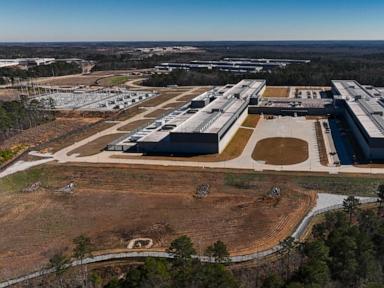
You type a prompt. A second later, you get a beautifully formatted response. It feels clean, weightless, and entirely digital. But behind that quick answer lies a massive network of physical infrastructure humming with high-voltage electricity and gulping millions of gallons of water.
The United Nations recently sounded a massive alarm on this exact issue. A groundbreaking report from the United Nations Conference on Trade and Development (UNCTAD) shows that the physical backbone of the digital economy—specifically artificial intelligence and global data centers—now carries an environmental footprint equivalent to an entire nation.
We have spent years worrying about plastic straws and aviation emissions. Meanwhile, the server farms powering our digital lives have quietly grown into some of the biggest resource hogs on the planet. If you think your cloud storage is green, you need to look at the raw data.
Why Data Centers Drink Millions of Gallons of Fresh Water
Most people understand that computers get hot. If you have ever used a laptop on your knees while running heavy software, you have felt it. Now scale that up to a warehouse filled with tens of thousands of high-performance graphics processing units (GPUs) running non-stop.
These facilities require constant cooling to keep the equipment from melting down. Many operators rely on evaporative cooling systems because they are highly efficient at managing temperature. But there is a catch. They require staggering amounts of fresh water to function.
The UN report highlights a terrifying trend. Data centers are often built in regions already facing severe water stress. Think about data hubs in places like Arizona or parts of the global South. We are essentially forcing local communities to compete with tech giants for drinking water.
Let's look at the numbers from recent research. A standard training run for a large language model can directly consume hundreds of thousands of liters of water. Every time you ask a generative AI tool to write an email or generate an image, it effectively drinks a bottle of water. When billions of people do this daily, the local ecological strain becomes untenable.
The Energy Crisis Hidden in Your Search Bar
Cooling is only half the problem. The electricity required to power these chips is reshaping the global energy sector. Traditional data centers used a predictable amount of power. AI changes everything.
An AI search query requires up to ten times more electricity than a traditional Google search. Why? Because the servers aren't just fetching a pre-existing link. They are actively computing, reasoning, and generating new text on the fly.
- The UNCTAD report reveals that global data center energy consumption has skyrocketed.
- In some small nations with favorable tax laws, data centers now consume up to 20% of the entire national grid's capacity.
- This surge is forcing some regions to delay the retirement of old, dirty fossil-fuel power plants just to keep the servers online.
Tech companies love to talk about their net-zero pledges and renewable energy credits. But buying a green certificate in one part of the world doesn't change the fact that a data center in Virginia or Frankfurt is pulling dirty power from a local grid during peak hours. The disconnect between corporate marketing and physical reality is massive.
E-Waste Is the Next Toxic Crisis
We rarely talk about what happens when these AI chips wear out. The tech industry moves at a breakneck pace. A cutting-edge chip today becomes obsolete in just a few short years because companies constantly race to train larger models faster.
This rapid turnover creates a mountain of electronic waste. The UN report stresses that e-waste from the digital sector is growing significantly faster than traditional waste streams.
These aren't just regular circuit boards. High-performance AI hardware utilizes rare earth elements and heavy metals that are incredibly difficult to recycle safely. Much of this waste ends up shipped to developing nations, where informal recycling practices expose workers to toxic chemicals and pollute local ground soil. We are effectively exporting the environmental damage of our silicon valley innovations to the global South.
Shifting the Burden to Developing Nations
The geography of the AI boom is deeply unequal. The economic benefits, the corporate profits, and the high-paying tech jobs largely stay clustered in wealthy nations. The environmental costs, however, are global.
The UNCTAD findings make it clear that developing countries bear a disproportionate share of the environmental burden. They provide the raw materials. They host the e-waste dumps. Sometimes, they even host the data centers that drain local water tables without contributing much to the local economy.
We need to stop treating AI as an ethereal, magical entity. It is an extractive industry. It relies on mining lithium, cobalt, and copper. It relies on burning energy and evaporating water.
How to Reduce Your Personal Digital Footprint
Tech companies bear the primary responsibility for fixing this mess. They need to design more efficient chips, invest in liquid cooling systems that recycle water, and build facilities only where renewable energy is genuinely abundant. But you don't have to sit around waiting for silicon valley executives to save the planet. You can change how you interact with technology right now.
Clean out your cloud storage. Storing thousands of old, uncompressed photos and duplicate videos you will never look at again requires physical hard drives to spin in a data center somewhere 24/7. Delete the junk.
Think twice before running useless AI queries. Generating dozens of weird images just for a quick laugh carries a real-world carbon and water cost. Use the technology when it adds genuine value, but don't treat it like a toy with zero consequences.
Demand transparency from the platforms you use. Support companies that publish detailed, localized breakdowns of their water and energy usage rather than hiding behind vague global sustainability reports. The digital world isn't weightless, and it's time we started treating it with the same environmental scrutiny as any other heavy industry.