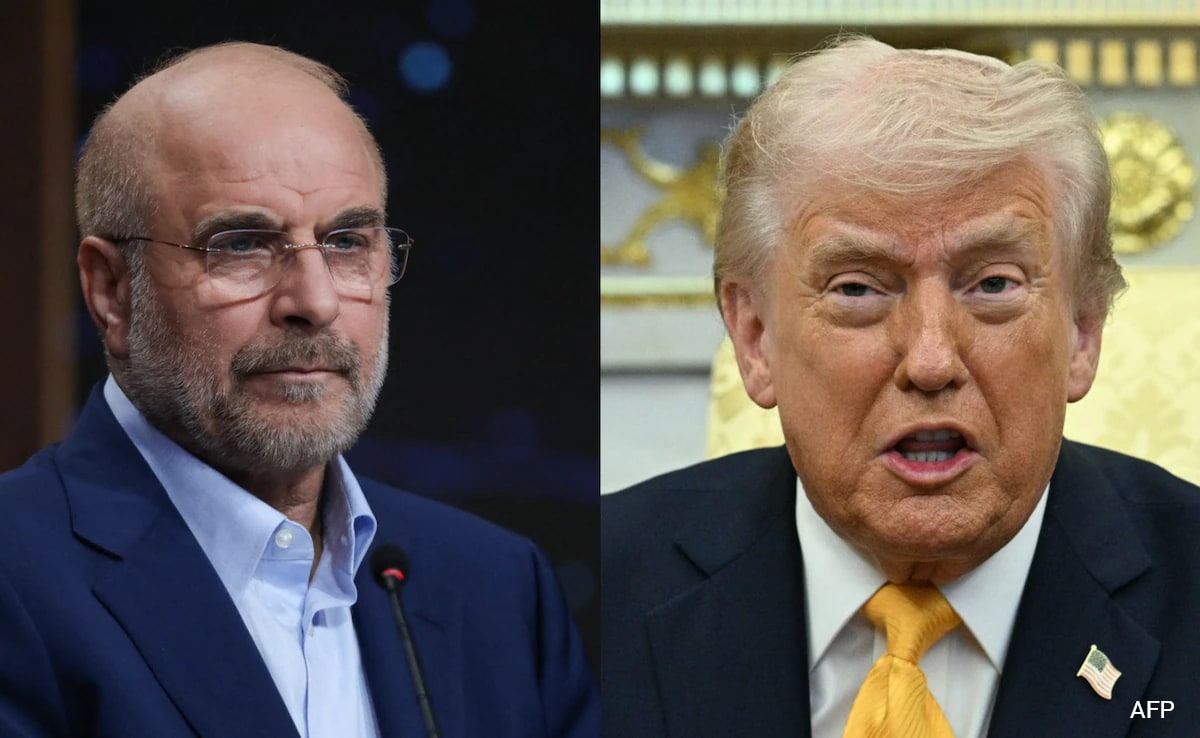
Iran and the United States aren't just hitting a speed bump. They’re staring down a cliff. With only days left before the current ceasefire agreement expires, the rhetoric coming out of Tehran suggests we aren't anywhere near a long-term solution. You’ve probably heard the headlines claiming a deal is "close" or "imminent" every few months for the last year. They’re wrong. The reality on the ground is far more grit and friction than the polished statements from diplomatic summits would have you believe.
Tehran’s lead negotiators have made it clear. They aren't interested in a "temporary" fix that leaves their economy hanging by a thread. They want a total lift of sanctions, and they want it now. But Washington can't—or won't—deliver that without massive concessions on uranium enrichment that Iran isn't ready to give. It’s a classic Mexican standoff, and the clock is ticking.
Why the Current Ceasefire is Failing
The existing truce was always a band-aid. It managed to keep direct military strikes at bay and allowed for a trickle of humanitarian aid, but it didn't solve the core issues. Iran’s Deputy Foreign Minister recently stated that the parties are "far from a final discussion." That isn't just posturing. It’s a reflection of a massive gap in trust that has only widened since 2024.
Think about it. If you’re Iran, you’ve watched Western administrations flip-flop on deals before. Why would you sign something that might get torn up after the next election cycle? On the flip side, US officials are under immense domestic pressure to avoid looking "soft" on a regime that continues to fund proxy groups across the Middle East. Both sides are playing to their home crowds, which makes compromise almost impossible.
The economic reality in Iran is dire, but not desperate enough to force a total surrender. Oil exports have found ways to bypass traditional banking systems, often through "ghost fleets" and third-party transfers in Asian markets. This gives Tehran just enough breathing room to stay stubborn at the table. They aren't starving; they’re just uncomfortable. And in international diplomacy, uncomfortable isn't enough to make a country give up its nuclear ambitions.
The Proxy War Shadowing the Negotiating Table
You can't talk about a ceasefire without talking about what’s happening in the Levant and the Red Sea. While diplomats sit in air-conditioned rooms in Vienna or Doha, the real leverage is being built with drones and missiles. Iran knows that its influence over groups like Hezbollah and the Houthis is its biggest bargaining chip.
Every time a cargo ship gets harassed or a base sees incoming fire, the price of the ceasefire goes up. The US wants these attacks to stop as a prerequisite for any permanent deal. Iran argues that these groups act independently—a claim that almost nobody in the intelligence community actually believes. It’s a dance. A dangerous, explosive dance.
The US has increased its naval presence in the region significantly over the last six months. That isn't just for show. It’s a physical reminder that if the ceasefire ends, the "kinetic" options are back on the table. We’re talking about a return to the "Maximum Pressure" era, but with a region that is much more volatile than it was five years ago.
Economic Sanctions and the Nuclear Threshold
Let’s get into the weeds of the "Final Discussion" hurdle. The main sticking point remains the level of uranium enrichment. Iran has pushed its stockpiles to levels that have no credible civilian use. They’re sitting at the 60% threshold, which is a stone’s throw from weapons-grade 90%.
The US demands a rollback to the limits set in the original 2015 framework. Iran says that ship has sailed. They want "compensation" for the years of sanctions endured after the US withdrew from the previous agreement. Basically, they want a payday for their patience.
Money is the only language that might actually work here. If the US unfreezes billions in Iranian assets held in foreign banks, we might see a 90-day extension. But an extension isn't a solution. It’s just kicking the can down a road that’s running out of pavement.
What Actually Happens When the Clock Hits Zero
If the ceasefire ends without a renewal, don't expect a world war on Monday morning. Expect a slow, grinding escalation.
- Cyber Warfare: Both sides will likely ramp up attacks on infrastructure. We’ve seen this before with Iranian attempts on water systems and US strikes on Iranian port authorities.
- Oil Volatility: Markets hate uncertainty. If the ceasefire drops, expect Brent Crude to jump.
- Increased Enrichment: Iran will likely announce another bump in their nuclear program to scare the West back to the table.
- Regional Friction: Proxy attacks will intensify to prove that the US "security umbrella" is full of holes.
The Misconception of a Grand Bargain
Most people think there’s a "Grand Bargain" waiting to be signed. There isn't. The idea that Iran and the US will suddenly become regional partners or even stable frenemies is a fantasy. This is about disaster management.
The goal for the US is "no nuclear Iran." The goal for Iran is "no regime change and no sanctions." These aren't necessarily compatible, but they can coexist if both sides are tired enough. Right now, they aren't tired enough. They’re still trying to win.
The rhetoric of being "far from a final discussion" is actually the most honest thing we’ve heard in months. It signals that the previous rounds of talks were mostly performative. They were talking about how to talk, not what to actually do. Now that the deadline is here, the performance is over.
Moving Forward in a Post Ceasefire Environment
If you’re tracking this for business or security reasons, you need to look past the official press releases. Watch the shipping lanes. Watch the enrichment reports from the IAEA. Those are the only metrics that matter.
The next 72 hours will determine if we see a quiet extension or a loud exit. If no announcement comes by the deadline, assume the backchannels have failed. In that scenario, regional players like Israel and Saudi Arabia will likely take more aggressive stances to fill the vacuum.
For anyone with interests in the region, the play is to prepare for a return to high-tension "grey zone" conflict. This means diversified supply chains that avoid the Strait of Hormuz and increased cybersecurity budgets. The "Final Discussion" isn't coming because neither side is ready to lose. And in a real deal, both sides have to lose a little.
Stay skeptical of any "breakthrough" news that doesn't involve a signed document and a verifiable change in uranium stockpiles. Everything else is just noise designed to buy time. The time, however, has finally run out. Prepare for the pivot back to a more aggressive stance from both Washington and Tehran. It’s going to be a long summer.