The scent of the Indian Ocean at dawn is unmistakable. It is salt, heavy moisture, and the metallic tang of industry waiting to wake up. For seven years, the port of Paradip stood as a sentinel that watched for a specific visitor who never arrived. The docking berths were busy, of course. Ships came from everywhere. Saudi Arabia. Iraq. The United States. Yet, there was a seven-year-old ghost haunting the logbooks, a silence where there should have been the deep, rhythmic thrum of an Iranian supertanker.
Until now.
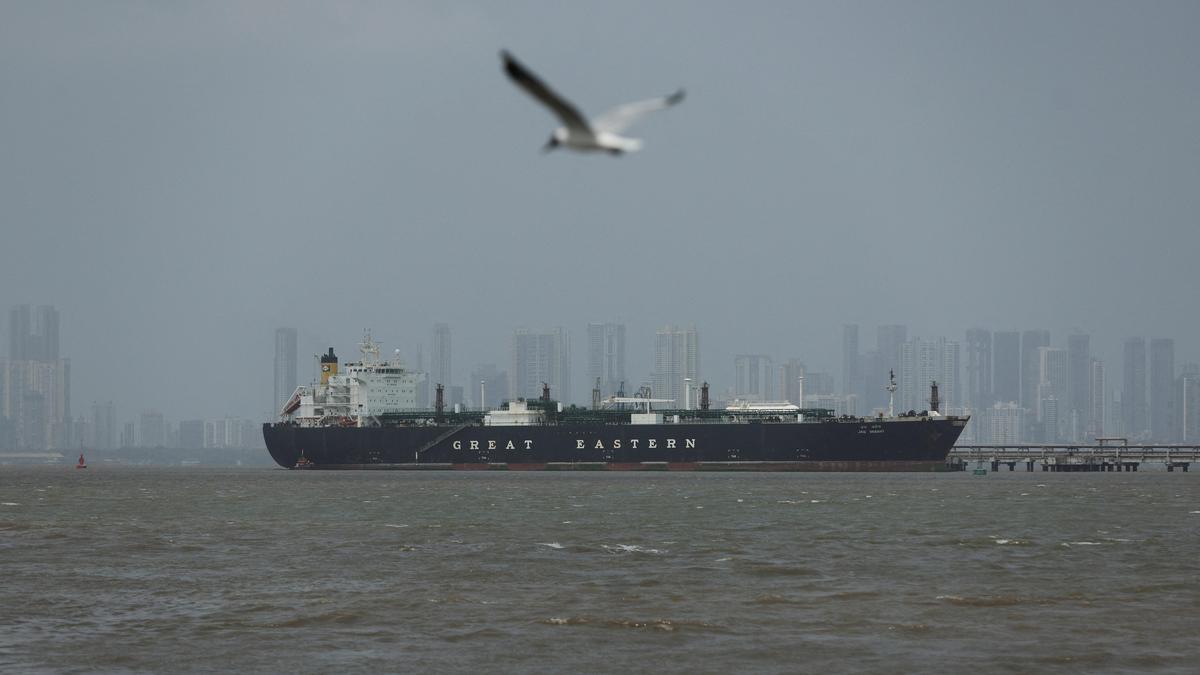
Standing on the rusted iron of the pier, watching the massive, darkened prow of the vessel break the horizon, you feel the weight of history shifting. This is not merely a transaction of crude oil. It is the end of a long, calculated exile.
Think of it as a severed thread being stitched back into a quilt. For nearly a decade, the relationship between Tehran and New Delhi’s energy sector was locked away in a cold, bureaucratic safe. Sanctions are not just legal documents; they are walls. They are the reason a captain looks at his maps and sees entire regions marked as forbidden. They are the reason local refineries had to scramble for more expensive sources, and the reason families in distant towns felt the slow, creeping bite of higher energy costs whenever the global market sneezed.
Consider a hypothetical engineer, Ravi, working in a refinery near the coast. For years, he lived by the fluctuations of the Brent crude price. When the Iranian supply vanished, the refinery’s diet changed. He had to adjust the intake systems to process oil with different chemical signatures, heavier or lighter, requiring constant tuning of the pressure valves and the catalytic crackers. It was a headache. It was expensive. It was an invisible burden carried by everyone who relies on the grid.
Ravi didn’t know the politics. He only knew the chemistry of his machines. And the machines preferred the consistent, reliable flow that had been severed by international pressure.
Now, the connection is alive again. The ship enters the harbor, its hull marked by the spray of thousands of miles of travel. This is a return to an old rhythm. The economic logic is simple: India needs immense amounts of energy to feed a surging economy, and Iran has a surplus of oil that it has struggled to move through conventional channels. When two desperate needs finally overcome the friction of political distance, the ships move.
But why now?
The landscape of energy is constantly reordering itself. Global powers are playing a high-stakes game of chess, and for a long time, the board was set in a way that made this route impossible. India, acting as a sovereign power, has often sought to maintain a delicate balance—keeping ties with the West while securing the cheap, accessible resources required for its own internal development. The return of these tankers signals a tacit understanding: the necessity of the resource has outpaced the cost of the friction.
The oil currently flowing into the pipes is not just fuel. It is a measurement of risk. The authorities in Delhi and the planners in Tehran have calculated that the benefits of this trade outweigh the potential fallout. They are betting that the world has enough competing crises to look the other way, or perhaps they have simply decided that the survival of their respective industrial engines matters more than the dictates of distant capitals.
Watching the mooring lines tighten as the ship docks, I think about the sheer complexity of what just happened. The banking channels, the insurance markets, the maritime laws—all of these were hurdles that had to be quietly dismantled or bypassed. There is a quiet, backroom professionalism to this. It isn't announced with fanfare. It happens in the dark, in the quiet exchange of data, and in the movement of steel across the water.
There is a vulnerability here, of course. Anyone who has spent time in the oil markets knows that stability is a myth. A single shift in diplomatic tone, a new set of regulations, or an escalation in regional tensions could turn this return into a temporary reprieve rather than a lasting trend. The sailors on the deck look tired. They have been navigating a minefield, both literal and metaphorical.
Yet, there is a sense of inevitability in the way the oil starts moving through the pipeline. It follows the path of least resistance. When a nation as hungry for energy as India looks at the map, it does not see the political borders that define the news cycles. It sees ports. It sees pipelines. It sees the capacity to keep the lights on and the factories turning.
For the people who live in the orbit of these ports, the arrival of the tanker is a mundane sight, just another ship in a long line of them. But for those watching the deeper currents of international trade, it is a marker of a new chapter. The silence of the last seven years has been broken. The machinery is humming. And somewhere, out in the vast, indifferent blue of the ocean, another tanker is likely already adjusting its course to follow the path carved out by this one.
The ink is drying on the manifest. The valves are open. The oil, having traveled thousands of miles through uncertain waters, finally reaches its destination, settling into the tanks to be refined into the fuel that will power the next tomorrow. The ghost in the logbook has vanished, replaced by the heavy, tangible reality of supply meeting demand. And in the quiet aftermath of the docking, the only thing that remains is the steady, thrumming sound of a connection restored.