The boarding gate at Sydney International is a liminal space where the air smells of expensive duty-free moisturizer and nervous anticipation. You see them everywhere: the young backpackers with oversized flags stitched to their rucksacks, the gray-haired couples finally spending the inheritance on a Thames cruise, and the business travelers staring blankly into their MacBooks. For an Australian, the flight to London is a rite of passage, a twenty-four-hour endurance test that ends in the comforting embrace of a shared language and a familiar history.
But this morning, the blue light of the departure lounge screens carries a different weight. The Australian Government has updated its travel advice for the United Kingdom. The terror threat level has moved to "Severe."
It is a cold word. Severe. It sits in the back of the throat like woodsmoke. In the clinical language of intelligence agencies, it means an attack is no longer just "likely"—it is "highly likely." It is the second-highest rung on a ladder no one wants to climb.
The Geometry of a Shadow
Consider Sarah. She is a hypothetical traveler, but she is also every Australian who has ever stepped off the Tube at Piccadilly Circus. Sarah has spent three years saving for this trip. She has a color-coded spreadsheet of museums and a reservation at a pub in Southwark that her grandfather used to visit during his own wanderings in the seventies.
When Sarah reads the alert on her phone while waiting for her flat white, the map of London in her head changes. The landmarks don't move, but the spaces between them feel tighter. The "Severe" rating isn't a suggestion to stay home; it is a request for a specific kind of hyper-vigilance that feels alien to the sun-drenched, wide-open safety of a Brisbane suburb.
The threat level is raised not because of a single, cinematic plot involving ticking clocks and red wires. It is raised because the "chatter" has reached a crescendo. Intelligence is less about finding a needle in a haystack and more about feeling the temperature of the hay. Right now, the hay is burning. The UK's Joint Terrorism Analysis Centre (JTAC) doesn't move these needles lightly. They are looking at a messy, jagged jigsaw puzzle of intercepted communications, extremist rhetoric, and the shifting geopolitical tectonic plates of the Middle East and Europe.
For the traveler, this translates to a strange, psychological friction. You are told to be "vigilant." But what does vigilance actually look like when you are trying to enjoy a pint of ale?
The Heavy Cost of Looking Over Your Shoulder
Security is a tax on the soul. When you arrive at Heathrow now, the queues might be longer, the armed police more visible, their submachine guns a jarring contrast to the polite "mind the gap" announcements. This is the first layer of the "Severe" reality.
The Australian Department of Foreign Affairs and Trade (DFAT) isn't telling you to cancel your trip. They are telling you to change the way you move through the world. They want you to notice the bag left unattended under a plastic chair at Victoria Station. They want you to identify the exits in every room you enter. They want you to have a "communication plan" with your family back in Perth.
There is a profound sadness in this. Travel is supposed to be about the expansion of the self, the reckless abandonment of the routine. When we travel, we want to be vulnerable to new experiences. We want to be open. But a "Severe" threat level demands that we stay closed. It asks us to view every crowded Christmas market or packed concert hall not as a celebration of culture, but as a "soft target."
This is the invisible stake of the warning. It isn't just about the physical danger, which remains statistically low for any individual person. It is about the erosion of the peace of mind that makes travel worth the twenty-four hours in economy class.
The Logic of the Alert
Why now? The timing is rarely a coincidence. The UK has seen a surge in "lone actor" radicalization—individuals who don't belong to a formal cell but are inspired by online vitriol to take a knife or a vehicle into a crowd. These are the hardest threats to stop. They don't leave a paper trail of explosives purchases or international travel. They just... happen.
The ripple effect of global conflicts reaches the streets of London faster than almost anywhere else on earth. The city is a microcosm of the world's grievances. When a border shifts in a desert five thousand miles away, the tension is felt in the East End and the shadows of Westminster.
For the Australian traveler, this feels distant until it isn't. We tend to view the UK as a "safe" version of Europe, a home away from home. But the UK is also a global power with a complex colonial ghost and a modern-day bullseye on its back. To walk through London is to walk through a city that has been under various forms of siege for a thousand years, from the Blitz to the IRA campaigns to the 7/7 bombings.
Living in the "In-Between"
The advice from Smartraveller is clear: "Exercise a high degree of caution."
It is a phrase that exists in the gray area of human emotion. It’s not "Don't go," and it’s not "Everything is fine." It is the linguistic equivalent of a yellow traffic light that never turns green.
I remember being in London during a previous period of heightened tension. I was standing on London Bridge, the wind whipping off the Thames, looking at the Shard piercing the gray clouds. Every time a white van drove a little too close to the curb, I felt a microscopic spike of adrenaline. I saw other people doing the same thing—the quick glance, the slight adjustment of the posture, the subtle move away from the edge of the pavement.
We were all participating in a collective, silent ritual of risk assessment.
But then, I saw a group of school kids laughing, chasing each other toward the Borough Market. I saw an old man feeding pigeons, completely indifferent to the geopolitical tremors. I saw the city doing what it has always done: refusing to stop.
The real danger of a "Severe" threat level isn't just the possibility of an event; it is the possibility that we stop living before anything even happens. If you spend your entire holiday staring at the exits, you miss the architecture. If you avoid the crowds, you miss the pulse of the city.
The Practical Geometry of Survival
If you are heading over there, the "how-to" is less about fear and more about a quiet, steady competence.
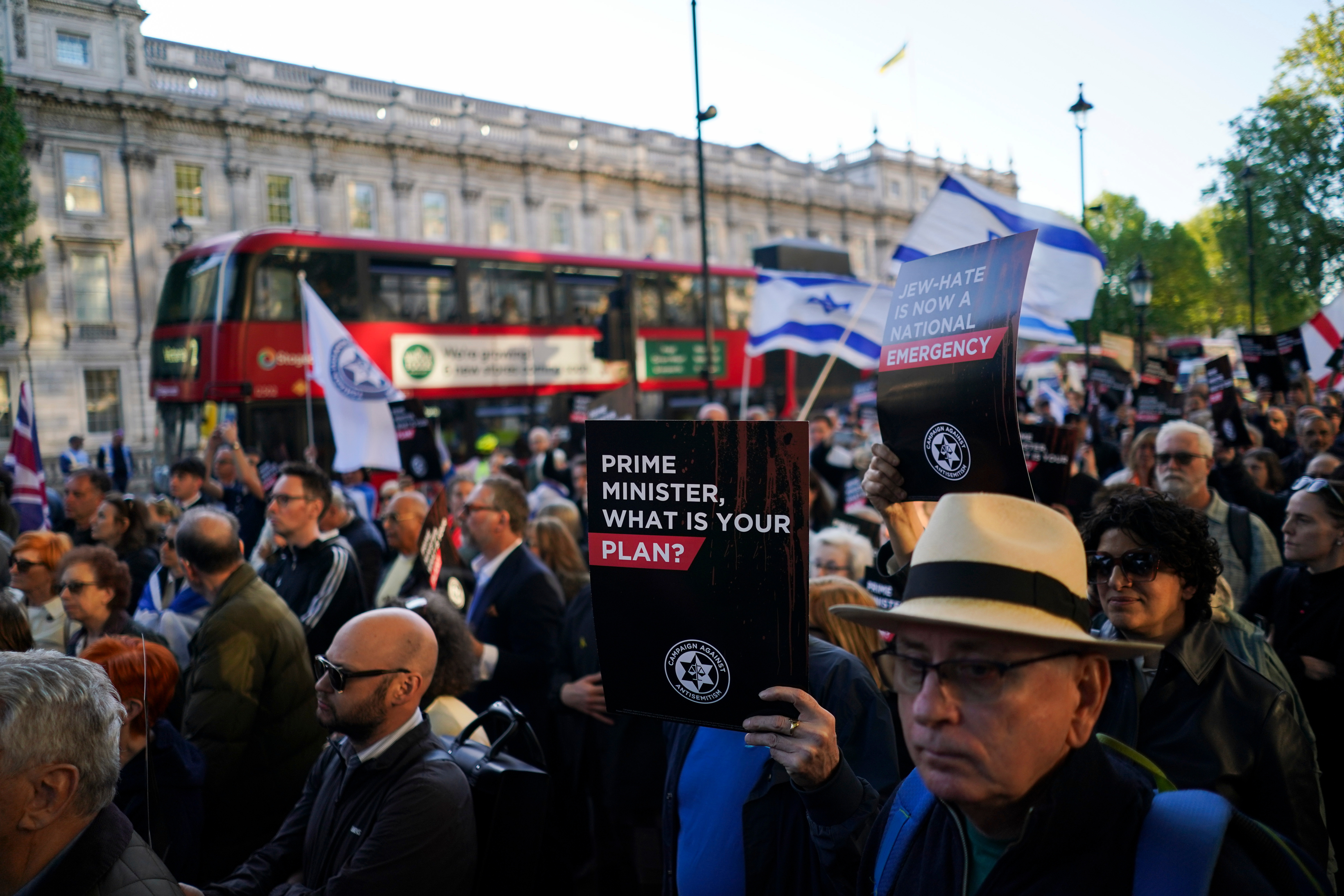
You monitor the local media. You don't just "check in" on Facebook for the likes; you do it so your mother knows you weren't at the tube station where the "incident" just occurred. You stay away from protests—not because you don't care about the cause, but because large, volatile crowds are the preferred canvas for those who wish to do harm.
You learn to trust your "gut," that ancient, reptilian part of the brain that notices when something is off before your conscious mind can put words to it. If a situation feels "wrong," it is wrong. Leave. Don't worry about being polite. Don't worry about looking silly.
But don't let the shadow win.
London is a city built on layers of resilience. The "Severe" rating is a shield, not a shroud. It is the British state saying, "We see the threat, and we are leaning into it so you don't have to." By raising the level, they trigger a massive surge in behind-the-scenes activity: more surveillance, more undercover patrols, more intelligence sharing with allies like Australia.
The Long Flight Home
At some point, the flight back to Sydney will board. You will sit in that same liminal space at Heathrow, waiting for your row to be called. You will be tired, your feet will ache from the cobblestones, and your phone will be full of photos of the Tower and the Tate.
You will realize that the "Severe" warning was a part of the trip's texture, like the rain or the expensive coffee. It was a reminder that the world is a heavy, complicated place, and that the safety we enjoy at home is a fragile, precious thing.
The warning isn't a wall. It's a lens. It makes the beauty of the world sharper because it reminds us that there are those who would see it broken.
The plane will lift off, banking over the glittering curve of the Thames. You’ll look down at the millions of lights, each one representing a person going about their day, heading to work, meeting a friend, or falling in love, all of them living within the shadow of a "Severe" threat and choosing to walk forward anyway.
That is the story of London. It is a city that has learned to breathe through the fog. And as an Australian traveler, you aren't just visiting a destination; you are joining, for a brief moment, a centuries-old defiance. You are choosing to see the world as it is, dangerous and beautiful in equal measure, and deciding that the journey is still worth the weight.
The fog will eventually lift. It always does. Until then, you just keep walking, eyes open, heart steady, mindful of the gap between the world we want and the world we have.