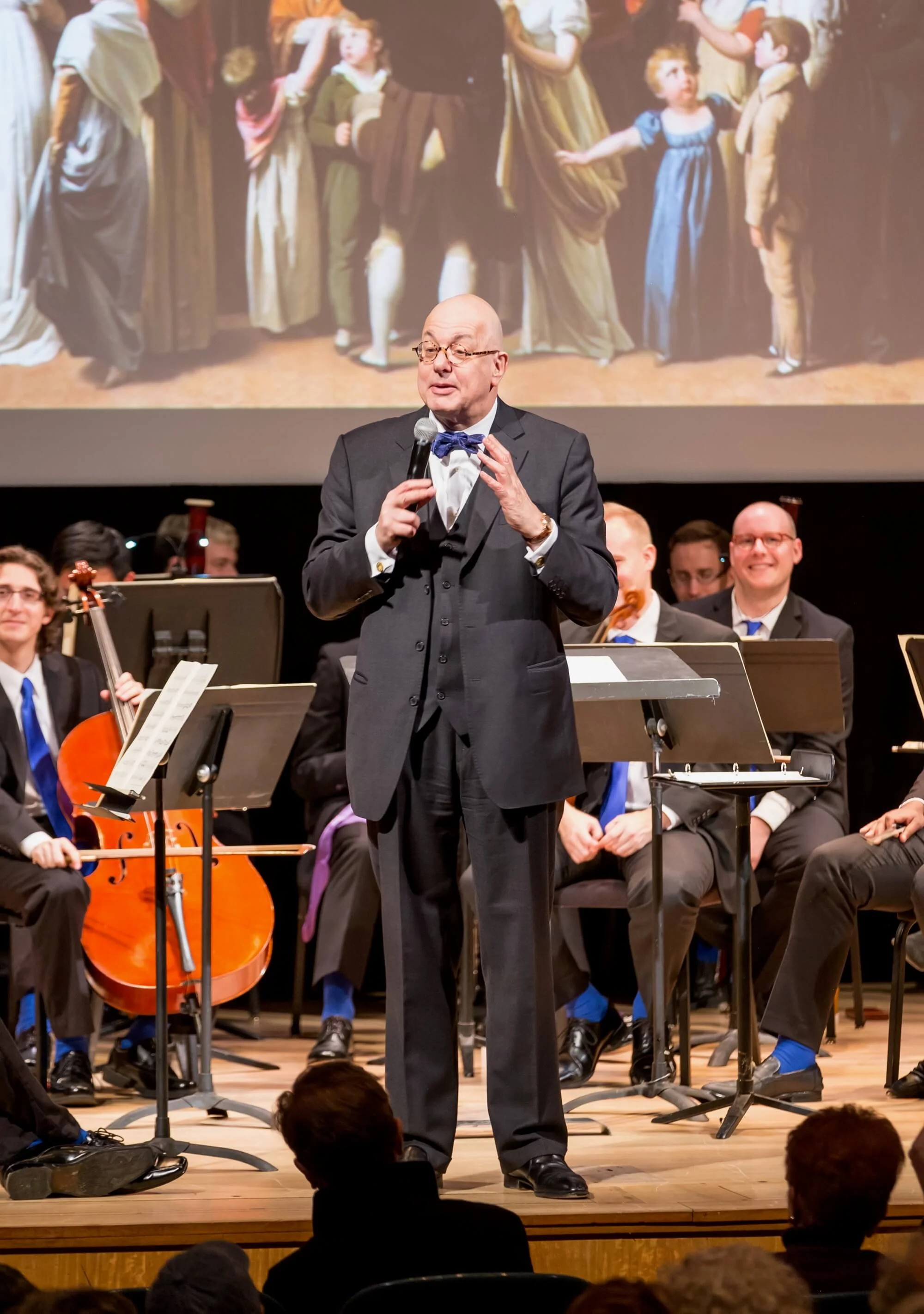
Leon Botstein isn't just a college president. For over 50 years, he was the personification of Bard College. He took a tiny, debt-ridden school and turned it into a global intellectual powerhouse. But on May 1, 2026, that half-century of legacy hit a brick wall. Botstein announced his retirement, effective June 30, following an independent investigation into his ties with Jeffrey Epstein.
If you think this is just another story about a wealthy man getting tricked by a predator, you're missing the point. The WilmerHale law firm report, commissioned by Bard’s own board, paints a picture of a leader who didn't just stumble into a bad situation. He willfully ignored warnings because he thought he was smart enough to manage a monster for the sake of a donation.
The fundraising trap that swallowed a legacy
Botstein's defense has always been consistent. He claims every meeting, every email, and even his 2012 trip to Epstein’s private island, Little Saint James, was about the money. He wasn't looking for a friend; he was looking for a donor. In the high-stakes world of academic endowments, presidents are basically glorified fundraisers.
But here’s where the "fundraising" excuse falls apart. Epstein was already a convicted sex offender when their relationship began in 2011. Botstein knew who he was dealing with. He reportedly told investigators he viewed Epstein as an "ordinary sex offender" who had served his time and deserved a chance at rehabilitation through philanthropy.
It's a staggeringly arrogant perspective. It suggests that a $75,000 unsolicited gift to Bard High School Early College was enough to overlook the systemic abuse Epstein was known for. Botstein didn't just take the money; he stayed in the orbit. The WilmerHale report found that Botstein visited Epstein’s properties roughly 25 times between 2012 and 2019.
Blind spots and the 2012 island visit
One of the most damning details in the 2026 files is the 2012 trip to the Virgin Islands. Botstein’s version of the story involves flying with billionaire Leon Black, getting a flu, and isolating himself in a "resort-style bungalow" while Epstein was present for dinner.
The investigation suggests something far more negligent. Even if Botstein didn't witness a crime that night, his presence on that island served a purpose for Epstein. It provided the "veneer of respectability" that Epstein craved. When a prestigious college president treats you like a "cherished friend" in emails and visits your private residence, it signals to the rest of the world that you're back in the good graces of the elite.
The report highlights that Botstein was specifically warned. A senior faculty member told him point-blank to stay away from Epstein. He didn't listen. Instead, he continued to facilitate connections, even helping young female musicians in Epstein's circle and meeting the parents of Epstein’s "staffers" during a trip to Russia in 2015.
Why the Bard board finally blinked
For months, the Bard College Board of Trustees stood by their man. Botstein was the "campus savior." He grew the endowment to $1 billion. He started degrees for prisoners and expanded campuses worldwide. To many at Bard, he was untouchable.
But then the alumni started talking. Over 160 alumni, including the son of the board chair, signed a letter calling for his resignation. They realized that the "fundraising at all costs" mentality had created a physical and reputational risk to the students.
The WilmerHale findings were the final straw. The report couldn't confirm if the fees Epstein "facilitated" actually benefited the college in the way Botstein claimed. More importantly, it concluded that Botstein failed to recognize how his invitations to Epstein—including offers to stay at a campus guest cottage—put the student body at risk.
The cost of intellectual arrogance
Botstein’s downfall is a case study in intellectual hubris. He clearly believed his own narrative: that he was the sophisticated academic who could outmaneuver a "skilled manipulator" like Epstein. He thought he could use Epstein’s money to do good for Bard without getting any of the dirt on his own shoes.
It doesn't work that way. When you're the head of an institution, your personal judgment is the institution's judgment. By maintaining a "warm tone" with a predator for nearly a decade, Botstein traded the college's moral standing for the hope of a major gift that never even arrived. Epstein was "prodigious" at networking, but he never gave Bard the kind of money that would justify this kind of risk—not that any amount would.
Reality check for higher education leaders
If you’re on a board or in a leadership position at a non-profit, the Botstein retirement is a massive warning sign. "It was for the mission" is no longer a valid excuse for proximity to predators.
- Vetting isn't optional: If a donor has a criminal record involving exploitation, the conversation ends before it starts.
- Ignore internal warnings at your peril: When faculty or staff raise red flags about a donor's character, dismissing them as "not understanding the business of fundraising" is a fast track to a scandal.
- Legacy doesn't provide a permanent shield: Fifty years of good work can be dismantled by one decade of poor judgment.
Botstein says he’ll stay on as a faculty member and musician, living in the Finberg House on campus. But the era of the "all-powerful president" at Bard is over. The school now has to figure out how to separate its identity from a man who thought he could dance with the devil and not get burned.
Don't wait for a law firm to tell you your associations are toxic. Audit your donor lists and leadership ties now. Transparency isn't just a buzzword; it's the only thing that keeps an institution's reputation from collapsing when the files finally come out.