The air inside an Isfahan bakery in July smells of scorched wheat, toasted sesame, and collective anxiety. To understand how geopolitics actually works, you have to leave the wood-paneled briefing rooms of Washington and stand near the roaring mouth of a clay oven.
Reza, a forty-two-year-old father of two whose surname is withheld for his family’s safety, dusts flour from his forearms while a small television mounted in the corner hums with state media broadcasts. Over the weekend, he watched the sea of black-clad mourners filling the streets of Tehran for the funeral of Supreme Leader Ayatollah Ali Khamenei. The city was a canvas of grief, defiance, and a heavy, unspoken dread.
Then came the voice from the Oval Office.
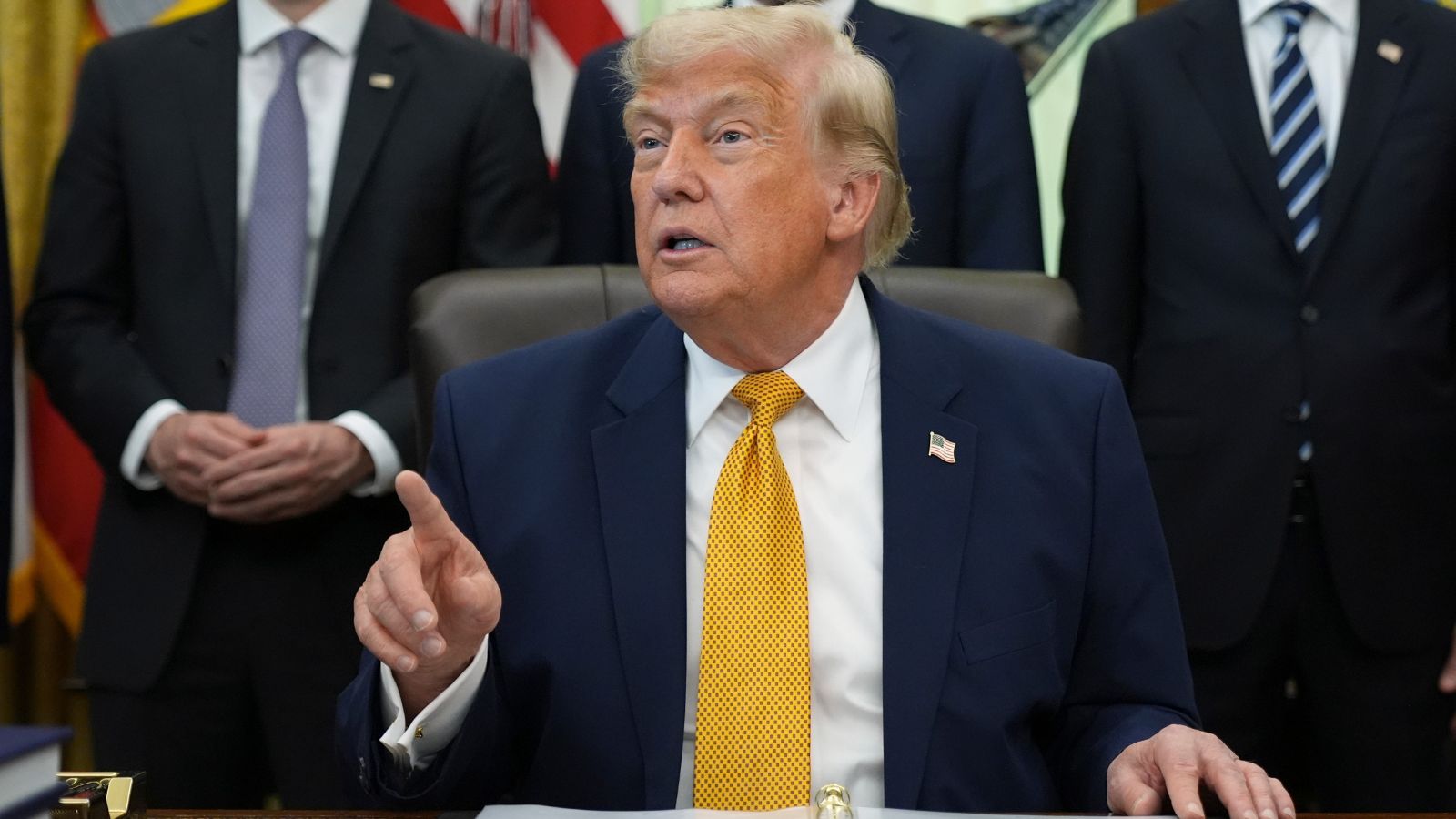
President Donald Trump, speaking to reporters with the casual cadence of a businessman threatening to cancel a construction contract, delivered a blunt ultimatum. The United States and Iran would either sign a deal, or Washington would "finish the job."
"We can knock down their bridges in one hour," Trump declared. "We can knock out their energy supply."
In the bakery, Reza stopped moving. His eyes fixed on the screen. He knows what a knocked-out energy supply looks like. He remembers the cold shock of the February 28 air strikes, when joint US and Israeli operations cut the power grids, plunging entire neighborhoods into a freezing, blind darkness. He remembers the sudden silence of the city, the frantic scramble for fuel, and the terrifying realization that the infrastructure keeping his children warm could vanish on the whim of a foreign leader.
"He talks about ninety-one million people like we are numbers on a balance sheet," Reza says, his voice dropping to a harsh whisper. "He says he doesn't want to affect us, but then he promises to burn the bridges we cross every single day to go to work."
The global public views this conflict through the sterile lens of diplomacy, analyzing the failure of the latest round of indirect talks that folded without a breakthrough. They track the countdown of the 60-day ceasefire, a ticking clock meant to give diplomats room to breathe but instead acting as a slow-burning fuse. But for the people walking the streets of Tehran, Isfahan, and Shiraz, the macro-politics are reduced to a terrifyingly micro reality: Will the lights stay on tomorrow?
Hours after the American president's remarks echoed across the airwaves, the official response from Tehran arrived. It did not come with the frantic energy of a cornered adversary, but with the calculated, chilly poise of an ancient nation that refuses to be publicly broken.
Mohammad Baqer Zolqadr, the Secretary of Iran’s Supreme National Security Council, took to state media to deliver a sharp rebuke. He called Trump’s threats "delusional."
"Iranians are unfamiliar with the language of threats," Zolqadr said, his words measured and sharp. "So speak to the Iranian people with respect, otherwise we will respond in another language."
To an outside observer, this is standard diplomatic theater—saber-rattling from two sides entrenched in an ideological trench war. But look closer at the psychology of the rhetoric.
When Trump boasts that "it won't be tough to finish the job," he is leaning into a posture of absolute economic and military dominance. He points to the empty coffers of the Iranian state, noting with a businessman’s satisfaction that "they don't have any money now. We haven't given them any money." It is an approach designed to project total leverage, assuming that material deprivation will inevitably force a concession.
But the American calculation often misreads the complex emotional chemistry of national pride under fire.
Consider the scene at Khamenei’s funeral. The conventional wisdom of foreign intervention suggests that heavy military strikes and deep economic isolation will fracture a population, turning them against their leadership. Instead, the pressure frequently acts as a unifying anvil. The millions who poured into the streets over the weekend did not look like a population ready to bend the knee. They looked angry, unified, and dangerously unpredictable.
By threatening infrastructure—the very fabric of daily civilian life—the rhetoric from Washington accidentally validates the hardliners within Iran who argue that the West is not interested in behavioral change, but in total destruction.
The tragedy of the current deadlock lies in this profound disconnect of languages. Washington speaks the language of maximum pressure and quantifiable metrics—hours to destroy a bridge, dollars withheld from a central bank. Tehran responds in the language of historical dignity, asymmetrical resistance, and sovereignty.
When two nuclear-adjacent powers cannot even agree on the vocabulary of engagement, the space for a diplomatic exit ramp shrinks to nothing.
Back in Isfahan, Reza watches the television screen fade to a commercial. He wraps a stack of warm flatbread in a clean cloth for a waiting customer. The ceasefire is still holding, technically, but the air feels thin, charged with the static electricity that precedes a summer storm.
The politicians talk about deals and jobs to be finished. The generals map out coordinates for power plants and logistics hubs. But the true cost of the words spoken in the Oval Office and the defiance broadcast from Tehran is borne by the millions who must sleep with one eye open, wondering if the bridge they need tomorrow will still be standing when they wake up.