The siren's wail in Northern Israel isn't just noise anymore. It's a daily rhythm. On Wednesday, the Israel Defense Forces (IDF) confirmed that two projectiles crossed from Southern Lebanon into Israeli territory. This isn't an isolated event. It's part of a volatile back-and-forth that threatens to pull the entire region into a much larger, uglier fight. When you hear about "projectiles," you're really hearing about the breakdown of a fragile border.
Most people see these headlines and think it's just more of the same. It’s not. The frequency of these strikes suggests a specific tactical shift. Hezbollah is testing response times and the density of the Iron Dome’s coverage in the Galilee region. The IDF, meanwhile, isn't just sitting back. They're responding with targeted artillery fire.
Why the South Lebanon Border is Exploding Right Now
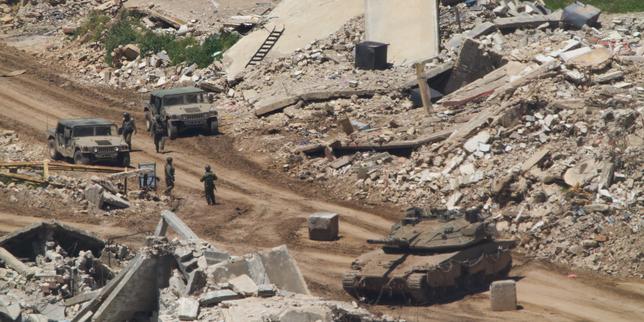
The geography of this conflict matters. Southern Lebanon is rugged. It’s perfect for the hit-and-run tactics Hezbollah employs. They use portable launchers that can be tucked away in seconds. When the IDF says two projectiles were fired, they're describing a quick strike designed to harass, not necessarily to level a city.
This isn't about random chaos. Hezbollah is signaling. Every rocket fired toward Kiryat Shmona or the surrounding kibbutzim is a message to the Israeli government. They want to tie down IDF divisions in the north so they can't be used elsewhere. It’s a classic distraction play, but it’s one that carries a massive risk of miscalculation. One rocket hitting a high-occupancy building changes everything.
The Iron Dome and the Cost of Defense
You might wonder why two projectiles are even news. In a high-tech war, the cost of defense is lopsided. Each Tamir interceptor fired by the Iron Dome costs around $50,000. The rockets coming out of Lebanon? Often just a few thousand dollars, sometimes less if they're older Grad-style munitions.
Israel is playing a high-stakes game of math. They have to decide in milliseconds whether a projectile is headed for an open field or a civilian home. If it’s hitting dirt, they let it go. If it’s hitting a house, they fire. This morning’s strike followed that pattern. The IDF tracked the trajectory, assessed the threat, and moved into their counter-battery protocol.
What the Media Misses About the IDF Response
When the news reports "Israel retaliated," it sounds like a blind swing. It’s actually surgical. The IDF uses drone surveillance to pinpoint the exact patch of trees or the specific basement where that launcher was located. They aren't just firing back at Lebanon; they're hunting the crews.
I’ve seen how these escalation cycles work. It starts with two rockets. Then it’s four. Then it’s a drone swarm. The goal for Israel right now is containment. They want to keep the "northern front" from becoming the "main front." But with tens of thousands of Israeli civilians displaced from their homes in the north, the political pressure on the military to "finish the job" in Lebanon is growing. You can’t have a ghost town for a border indefinitely.
The Role of UNIFIL and International Friction
There’s a group in the middle of all this that rarely gets the credit or the blame they deserve. UNIFIL—the United Nations Interim Force in Lebanon. They’re supposed to keep the south free of weapons. Clearly, that’s not happening. The reality on the ground is that Hezbollah operates right under their noses.
This creates a diplomatic nightmare. If Israel pushes too hard into Southern Lebanon to clear out these launch sites, they risk hitting international peacekeepers. If they don't, the rockets keep coming. It’s a stalemate that favors the side willing to hide behind civilian infrastructure. Honestly, the 1701 Resolution that was supposed to fix this is basically a dead letter at this point.
What Happens When the Sirens Stop
Living under the threat of northern rockets does something to the psyche. It’s not just the physical danger. It’s the uncertainty. Families in Manara or Metula don't know if they'll be home next month or next year. The two projectiles fired today didn't cause mass casualties, but they did ensure that those families stay in hotels in Tel Aviv or Jerusalem, further straining the Israeli economy.
The IDF’s strategy is currently a mix of "active defense" and "deterrence through fire." They want to make the cost of launching those two rockets so high that the crews think twice next time. But Hezbollah is an ideological organization. They aren't always looking at the profit-and-loss statement of a war.
Tracking the Next 48 Hours
Watch the flight paths. If the projectiles start moving deeper into the Galilee, toward Safed or Haifa, the situation has shifted. Two rockets from the border are a nuisance. Twenty rockets toward a city are a declaration of war.
Don't just look at the number of rockets. Look at what Israel hits in return. If the IDF starts targeting Lebanese infrastructure—bridges, power plants, or fuel depots—it means they've given up on the "tit-for-tat" stage and are preparing for a full-scale incursion. Right now, we’re still in the dangerous dance of the border zone.
Keep an eye on the official IDF Telegram channels and the Lebanese National News Agency. The truth usually sits somewhere in the middle of their competing claims. If you're tracking this, look for mentions of "precision-guided" munitions. That’s the real red line. Standard rockets are bad, but guided missiles change the tactical reality for the Iron Dome. Stay alert, check the maps, and understand that in this part of the world, "quiet" is usually just a pause to reload.