You've probably looked at flights to Paro and winced. Bhutan isn't cheap. Between the Sustainable Development Fee (SDF) and the logistical nightmare of planning a multi-city mountain trip, most people just put it on their "someday" list and forget about it. That's a mistake. The IRCTC Bharat-Bhutan Mystic Mountain Tour just went live, and it's basically a cheat code for anyone who wants to see the Land of the Thunder Dragon without losing their mind over spreadsheets.
It's a 5-night, 6-day itinerary that starts in Siliguri. If you're tired of the over-commercialized chaos of Shimla or Manali, this is your exit ramp. You aren't just getting a bus ticket; you're getting a curated loop through Phuentsholing, Thimphu, and Paro. IRCTC isn't just about trains anymore. They’ve evolved into a full-scale travel operator that handles the grit so you can actually look at the mountains.
Why this IRCTC Bhutan package actually works
Most travel agencies promise "luxury" but deliver a cramped van and lukewarm buffet food. IRCTC has a different vibe. They’re predictable in a good way. The Bharat-Bhutan Mystic Mountain Tour focuses on the logistics that usually trip up solo travelers.
For starters, entering Bhutan by road via Phuentsholing is an experience in itself. You see the transition from the humid plains of West Bengal to the crisp, sharp air of the Himalayas. It’s dramatic. It’s messy. It’s beautiful. When you book this package, you're skipping the stress of negotiating with local taxi unions at the border. That alone is worth the price of admission.
You get stays in decent hotels, breakfast and dinner are usually baked in, and the permits—oh, the permits—are handled. If you've ever tried to navigate the Bhutanese permit system during peak season, you know it’s like trying to solve a Rubik’s cube in the dark. IRCTC takes that off your plate.
Breaking down the Mystic Mountain route
The journey kicks off from New Jalpaiguri (NJP) or Siliguri. You’ll spend your first night in Phuentsholing. This is the border town where India and Bhutan shake hands. It’s a weird, wonderful mix of cultures. One side of the gate is loud and frantic; the other is quiet and orderly.
Thimphu the capital that doesn't use traffic lights
From the border, you head up to Thimphu. It’s one of the only capital cities in the world without a single traffic light. Think about that. The pace of life here is different. You’ll likely visit the Buddha Dordenma, a massive golden statue that looks out over the valley. It’s a spiritual heavy-hitter, but even if you aren’t religious, the scale of the thing is staggering.
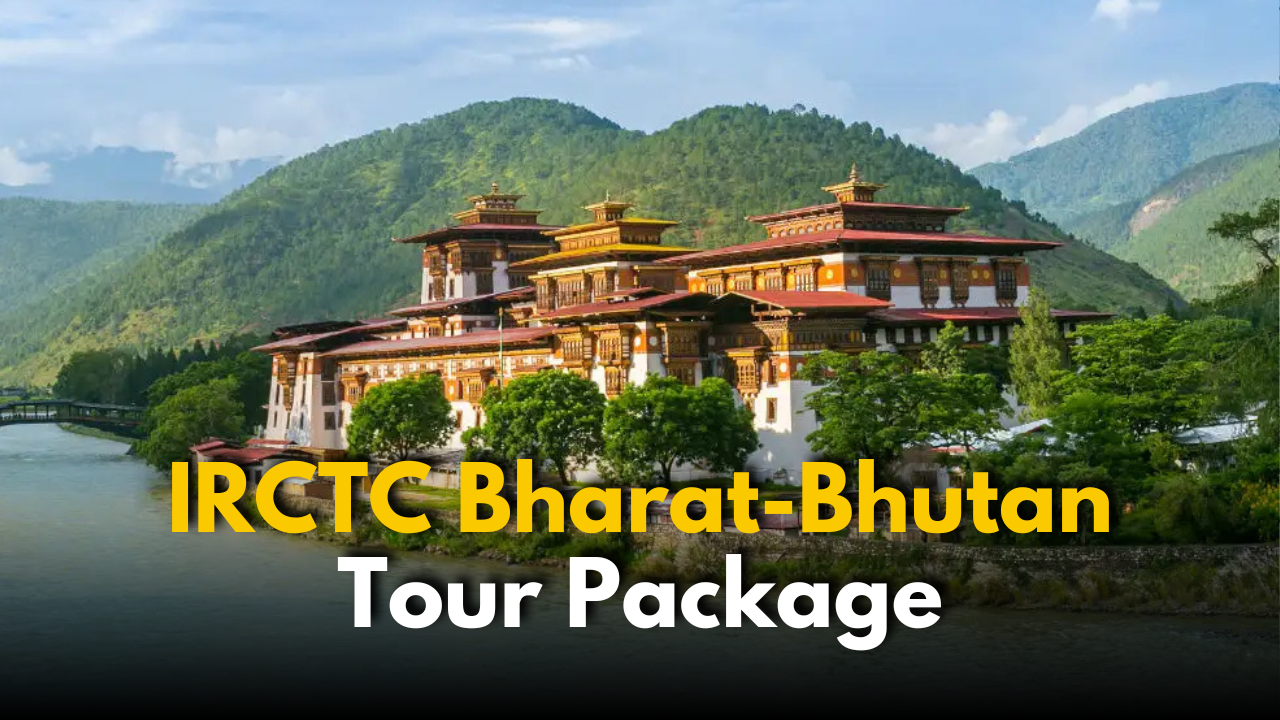
The tour usually includes the Memorial Chorten and perhaps a glimpse of the Tashichho Dzong. These aren't just photo ops. They’re living centers of government and religion. You'll see monks in crimson robes walking alongside bureaucrats in traditional Gho and Kira outfits. It’s not a show for tourists. It’s just Tuesday for them.
Paro and the climb you can't skip
Paro is the heart of the trip. This is where you find the Tiger’s Nest (Taktsang Monastery). If you go to Bhutan and don't see the Tiger’s Nest, did you even go? It’s a steep hike. Your legs will burn. Your lungs will remind you that you aren't at sea level anymore. But when the clouds part and you see that monastery clinging to the side of a cliff 3,000 meters up, you’ll forget about the sweat.
IRCTC usually builds in enough time for this trek, which is crucial. You can't rush this. You need to breathe. You need to take it in. Paro also offers the National Museum and the Rinpung Dzong, which provide the historical context that most people miss when they just look at Instagram photos.
The math behind the Bharat-Bhutan Mystic Mountain Tour
Let's talk money because that's usually the dealbreaker. Bhutan’s SDF is currently around $100 per night for most international tourists, but Indian nationals get a massive break at roughly ₹1,200 per night. IRCTC leverages this.
When you add up decent accommodation, two solid meals a day, a dedicated vehicle for five days, and an experienced guide, the package price—usually hovering around ₹40,000 to ₹50,000 depending on your occupancy choice—is actually a steal. Try booking those same hotels and transport separately during the high season. You'll spend 30% more and waste ten hours on the phone.
The tour also covers travel insurance, which most people ignore until they get a stomach bug or twist an ankle on a mountain trail. It’s a safety net you hope you don't use, but you’re glad it’s there.
Common mistakes travelers make in Bhutan
Don't be the tourist who shows up in shorts. Bhutan is deeply traditional. If you’re entering a Dzong or a temple, you need to be covered up. No sleeveless shirts. No short skirts. No hats inside. IRCTC guides are usually pretty strict about this because they respect the culture, and you should too.
Another mistake? Thinking you can "wing it" with the local currency. While Indian Rupees are widely accepted, the higher denominations (₹500 and above) can sometimes be a headache. Keep smaller change. Also, Bhutan is the only country in the world that is carbon negative. They take the environment seriously. Don't even think about littering.
What IRCTC doesn't tell you in the brochure
You need to be fit. Not "marathon runner" fit, but you should be able to walk for a few hours. The Himalayas don't care about your fitness goals. The air is thin. If you have heart or respiratory issues, talk to a doctor before booking.
The food is also an adventure. Bhutanese cuisine is famous for its heat. Ema Datshi (chili and cheese) is the national dish. It’s delicious, but it’ll wake you up. Most IRCTC hotels offer a mix of Indian and Continental food to keep things safe, but go out and try the local stuff. It’s part of the experience.
How to secure your spot
These tours sell out fast because the groups are kept relatively small to manage the logistics of mountain travel. You can book directly through the IRCTC Tourism website.
- Check the upcoming departure dates—they usually align with peak seasons (March-May and September-November).
- Get your documents in order. You'll need a valid Passport or a Voter ID card. A driving license or Aadhar card won't cut it for the border entry permit.
- Pack layers. The weather in the mountains is moody. It can be sunny at noon and freezing by 4 PM.
Stop waiting for the "perfect time" to visit Bhutan. The mountains aren't getting any shorter, and the prices aren't going down. Book the trip, pack your boots, and get out there.