Iran just upped the ante in the Persian Gulf. By releasing footage that purportedly shows their Revolutionary Guard (IRGC) knocking a US Global Hawk drone out of the sky, Tehran isn't just showing off a tactical hit. They're playing a high-stakes game of psychological warfare. The grainy images show a missile launch followed by a fireball in the dark sky. It looks definitive. But as with everything in the Strait of Hormuz, the truth is often buried under layers of geopolitical posturing.
The Pentagon says the drone was in international airspace. Iran says it violated their borders. It’s a classic "he said, she said" with multi-million dollar hardware at the center of it. You’ve got to wonder if this was a mistake or a very deliberate message sent from the Iranian coastline to the White House.
The hardware behind the headlines
Let’s talk about the RQ-4 Global Hawk. This isn't your neighborhood hobbyist drone. It’s a massive, high-altitude surveillance beast with a wingspan similar to a Boeing 737. It flies at altitudes where most civil aviation can't even reach. When Iran says they took one down with a domestic surface-to-air missile system, they're making a huge claim about their military tech.
The IRGC identified the weapon as the "3rd of Khordad" air defense system. It’s a mobile launcher that Iran claims can track targets 150 kilometers away. Whether it’s actually that capable or just a modified version of older Russian tech is up for debate. However, the result remains the same. A $130 million piece of American equipment is now sitting at the bottom of the sea or being picked apart by Iranian engineers.
You can't ignore the timing. Friction in the region has been building for months. We've seen tanker attacks, increased sanctions, and a rhetoric cycle that feels like a throwback to the 1980s. This shoot-down is the most direct military-on-military engagement we've seen in this specific tension cycle. It’s a massive escalation.
Navigating the international airspace dispute
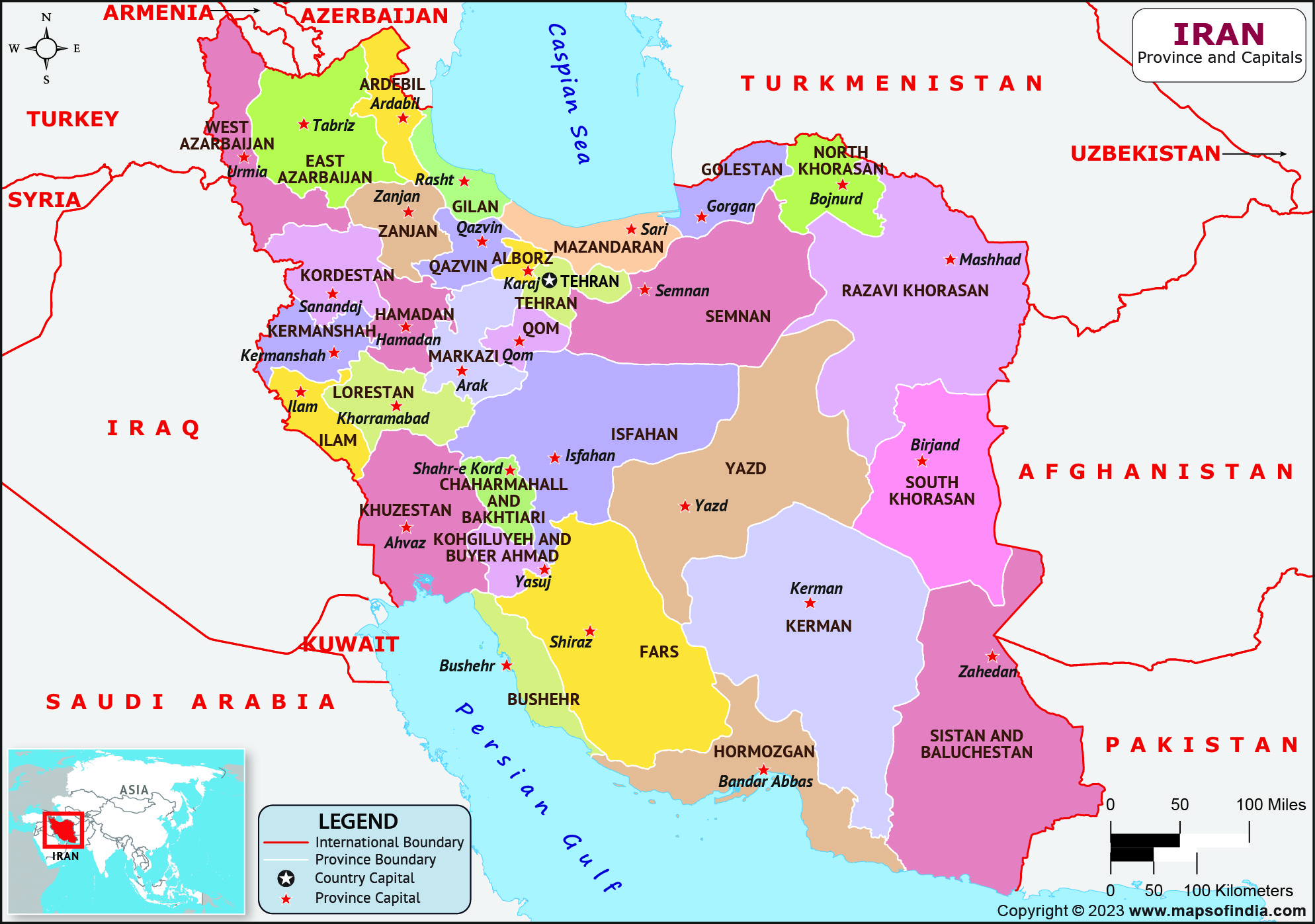
The core of the legal battle rests on a few coordinates. The US Central Command released a map showing the drone’s flight path staying strictly in international waters. They claim the drone was at least 34 kilometers away from the nearest Iranian land when it was hit. Iran countered with its own map, showing the drone dipping into their territory near Kuh-e Mobarak.
Here is why this matters to you. If Iran can prove the drone was in their space, they claim a right to self-defense under Article 51 of the UN Charter. If the US is right, this was an unprovoked attack on a legal flight in a crucial global shipping lane. The Strait of Hormuz is the world's most important oil transit point. About a fifth of the world’s oil passes through this narrow stretch of water.
Why drones are the perfect provocateurs
Drones are the ultimate tools for testing boundaries. They don't have pilots. If a manned jet gets shot down, you have a dead or captured pilot, and the pressure to go to war becomes almost instant. With a drone, there’s a buffer. It’s a "loss of face" and a loss of money, but it doesn't immediately demand boots on the ground.
- Risk Mitigation: Nations use them to peek across borders because the political cost of losing one is lower.
- Intelligence Gathering: These machines can see deep into a country without ever crossing the line.
- Deterrence: Shooting one down is a way for a country like Iran to say, "We see you, and we aren't afraid to pull the trigger."
The Iranian video is edited for maximum impact. It shows the command center, the button being pressed, and the launch. It’s designed for a domestic audience to build national pride and for a global audience to signal defiance.
Domestic politics vs global security
Inside Iran, the IRGC is often at odds with the more moderate diplomatic branches of the government. By taking this shot, the IRGC asserts its dominance. They want to show that "maximum pressure" from the US will be met with "maximum resistance." It's a gamble. They’re betting that the US doesn't have the stomach for another full-scale conflict in the Middle East.
Washington is currently a house divided on how to handle this. You have hawks who see this as a red line that requires a kinetic response. Then you have others who worry that a "limited strike" could spiral into a regional war that involves proxies in Lebanon, Iraq, and Yemen. It’s a messy, dangerous puzzle.
The reality of modern electronic warfare is that we might never get a neutral "black box" answer. Both sides have the capability to spoof GPS data or manipulate radar logs. We're forced to choose which narrative we believe based on which side we trust more. That’s a shaky foundation for global security.
Breaking down the 3rd of Khordad system
Iran’s pride in their "3rd of Khordad" system is significant. By using a home-grown (or at least home-assembled) system rather than a direct Russian import like the S-300, they are telling the world they are self-sufficient. This is key for a country under heavy sanctions. If they can build missiles that take out high-altitude US drones, they’re telling neighbors like Saudi Arabia and the UAE that their skies aren't as safe as they think.
Basically, this isn't just about one drone. It’s about the shift in power dynamics. For decades, US air superiority was a given. That assumption is being tested in real-time.
The impact on global energy markets
Every time a missile is fired near the Hormuz, oil traders get nervous. We’ve already seen a jump in crude prices following the announcement. If shipping companies start to feel that the risk is too high, insurance premiums will skyrocket. That cost eventually hits you at the gas pump.
The Strait is only about 21 miles wide at its narrowest point. It’s a bottleneck. If Iran decides to harass shipping or if the US decides to "escort" every tanker, the chance for a miscalculation goes through the roof. One nervous radar operator or a misinterpreted radio call is all it takes.
What happens next in the Gulf
Don't expect this to blow over by tomorrow. The US will likely increase its deployment of assets to the region. We'll see more carrier strike groups and more surveillance. Iran will likely double down on its rhetoric.
The next few days are critical. Watch for the recovery of the debris. If the US can pull parts of that drone out of international waters, they have the physical proof they need to sway international opinion. If Iran gets the pieces first, expect a televised "autopsy" of American technology.
Keep an eye on the diplomatic channels in Oman. Usually, when the US and Iran are on the brink, the Omanis act as the secret bridge. If those talks fail, we're looking at a very long, very hot summer in the Persian Gulf.
You should stay informed on the specific movements of the Fifth Fleet. Their response will dictate the market's reaction. Also, watch the UN Security Council. If a formal resolution is brought forward, it’ll force countries like China and Russia to pick a side, which could further polarize the situation. This is a chess match where the board is on fire.