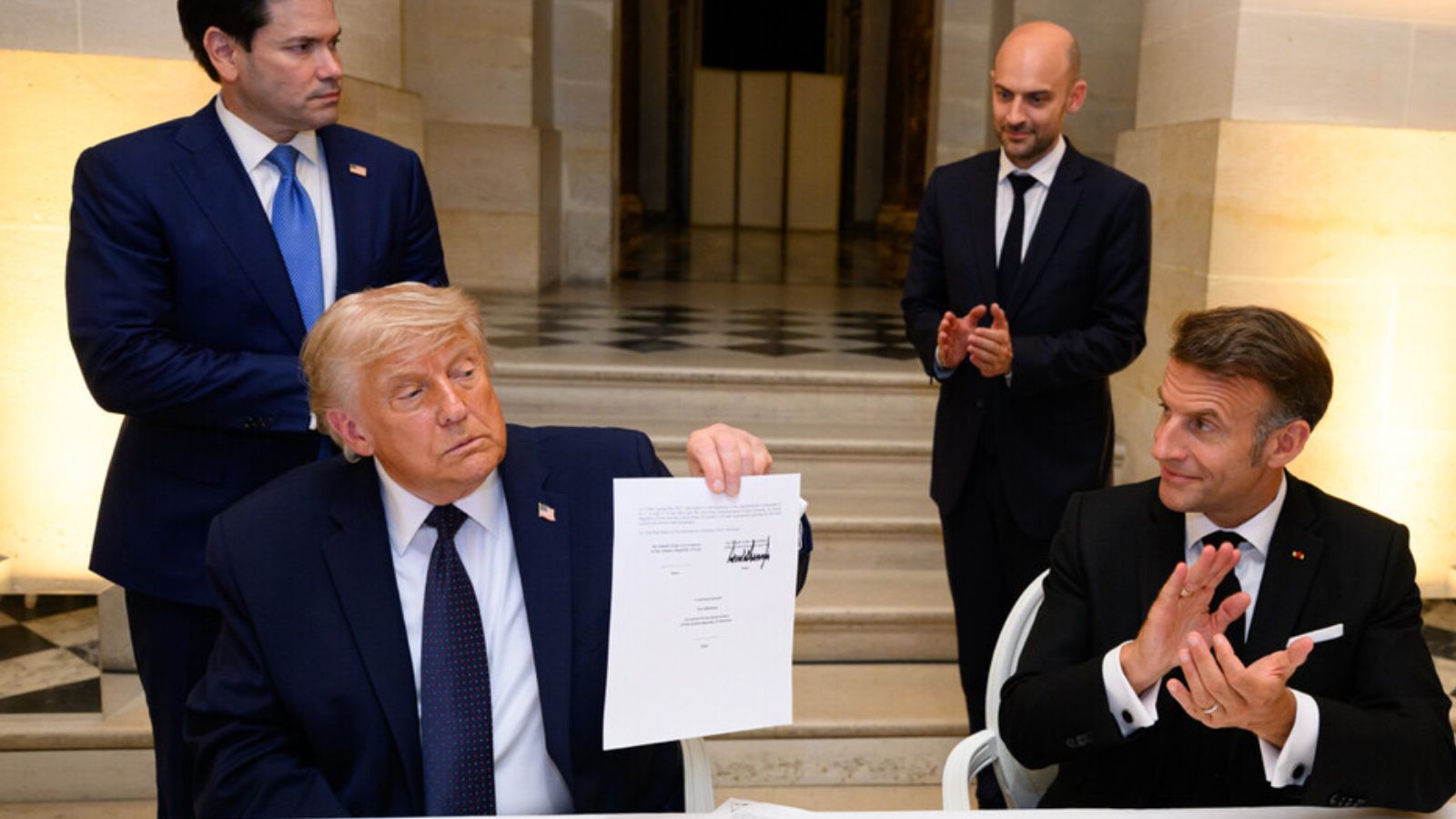
Mainstream foreign policy analysts are making a massive, amateur mistake. They see a freshly signed diplomatic agreement with Tehran and immediately assume a domino effect will trigger a ceasefire in Beirut. The logic seems clean on paper: Iran pulls the strings, Hezbollah listens, and the region settles into a tidy truce.
It is a comforting narrative. It is also completely wrong.
Believing that a deal with Iran automatically dictates the reality on the ground in Lebanon ignores the brutal, structural mechanics of proxy warfare. Having spent years tracking capital flows and military logistics in the Middle East, I can tell you that the relationship between a patron state and a non-state armed group is rarely a simple game of master and servant. When Washington or international observers celebrate an Iranian signature as a guarantee of Levantine stability, they are misreading the room entirely.
Here is the reality the talking heads refuse to face: Hezbollah is not a valve you can just shut off from an office in Tehran.
The Autonomy Trap
The lazy consensus relies on a flawed premise called the "monolithic proxy myth." This is the assumption that groups like Hezbollah possess zero agency, zero local constraints, and zero independent financial survival mechanisms.
In reality, Hezbollah is deeply woven into the political and economic fabric of Lebanon. They operate as a state-within-a-state, managing everything from supermarket chains to real estate portfolios and illicit smuggling networks. While Iranian funding—estimated historically by the U.S. State Department at up to $700 million annually—forms a massive bedrock of their budget, it is far from their only source of leverage.
Imagine a scenario where Tehran orders an immediate, absolute halt to all hostilities along the southern border of Lebanon because a broader geopolitical deal requires it. What happens to Hezbollah's domestic credibility if they comply while local tactical objectives remain unfulfilled? They face a severe legitimacy crisis at home. They are a Lebanese actor as much as they are an Iranian asset.
When a proxy group achieves a certain critical mass of domestic power, the power dynamic shifts. Tehran cannot simply pull the plug without risking the destruction of the most valuable strategic deterrent they have built over the last forty years. They will compromise on diplomacy in Geneva or Vienna long before they force their crown jewel to surrender its operational posture on the ground.
The Flawed Logic of Regional Dominos
The mainstream press loves a neat sequence of events. They want to believe that international relations work like a billiard table: hit the cue ball in Iran, and the object ball in Lebanon drops cleanly into the pocket.
It never happens that way. The friction points are entirely different.
| Geopolitical Theater | Primary Drivers | Enforcement Mechanism |
|---|---|---|
| The Iran Track | Sanctions relief, nuclear limits, regime survival, regional statecraft | Formal treaties, banking access, state-level monitoring |
| The Lebanon Track | Territorial disputes, sectarian balance, tactical deterrence, local survival | Asymmetric warfare, guerrilla infrastructure, street-level enforcement |
As the data shows, the two arenas operate on completely different frequencies. A deal that addresses state-level economic sanctions does not inherently solve the hyper-local security dilemmas that drive conflict in southern Lebanon. Border disputes, cross-border raids, and deeply entrenched sectarian fears do not vanish because a finance minister in Tehran regains access to swift banking networks.
What the "Experts" Get Wrong About Ceasefires
People frequently ask: If Iran stops sending missiles, won't the fighting have to stop?
This question exposes a fundamental misunderstanding of modern asymmetric warfare. Hezbollah does not rely on a just-in-time supply chain for its immediate operational needs. Decades of preparation mean the hills and valleys of southern Lebanon are sitting on vast, deeply buried stockpiles of hardware. They have enough autonomous defensive infrastructure to sustain localized, high-intensity friction for months, if not years, regardless of what a diplomatic communique says this morning.
Furthermore, a ceasefire requires two willing participants. The assumption that an agreement with Iran binds every other regional actor to compliance is pure fantasy. Local commanders on both sides of the blue line have their own red lines, their own political survival to consider, and their own domestic audiences to appease.
If you want to know where a conflict is going, stop looking at the handshakes in gilded European hotel lobbies. Look at the local procurement chains. Look at the internal political pressures building inside Beirut. Look at the hard tactical realities on the ground.
Treating Lebanon as a mere appendage of Iran is bad analysis, bad statecraft, and a dangerous basis for security policy. The crowd expecting an immediate, peaceful cascade across the region is about to get a harsh lesson in the messy, stubborn reality of localized conflict.
Stop watching the ink dry on state-level treaties. The real fight has nothing to do with them.