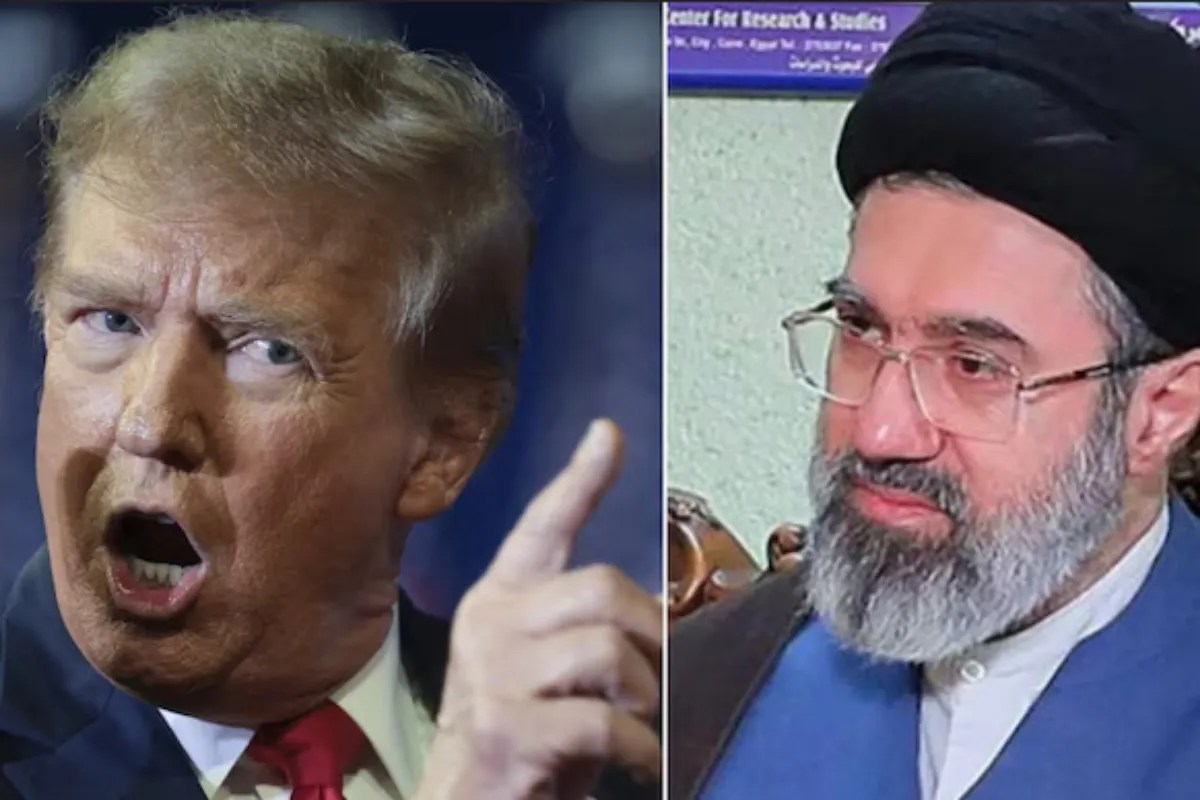
Iranian President Masoud Pezeshkian just called the latest ceasefire the "fruit of Khamenei’s blood." It’s a bold, almost desperate attempt to spin a devastating military stretch into a diplomatic win. If you’ve been following the chaos since the U.S. and Israeli strikes in early 2026, you know the stakes couldn't be higher. Iran isn't just talking about a pause in fighting; they're trying to convince their own people—and the world—that they dictated the terms of this deal.
But let’s be real. Calling a ceasefire a "victory" after your Supreme Leader has been killed and your regional proxy network is in shambles feels like a reach. Pezeshkian is walking a tightrope. He needs to satisfy the hardliners in the Revolutionary Guard while giving a battered Iranian economy room to breathe. The official line from Tehran is that they won because they forced the West to give them security guarantees. Whether those guarantees are worth the paper they're written on is a different story entirely.
The Blood of Martyrs as Political Capital
Pezeshkian’s rhetoric isn't accidental. By tying the ceasefire directly to the "martyrdom" of Ali Khamenei, he’s trying to make the agreement sacred. In the world of Iranian domestic politics, you can't just sign a peace treaty with your "enemies" unless you frame it as the ultimate fulfillment of a divine struggle. It’s a classic move: turn a strategic retreat into a moral triumph.
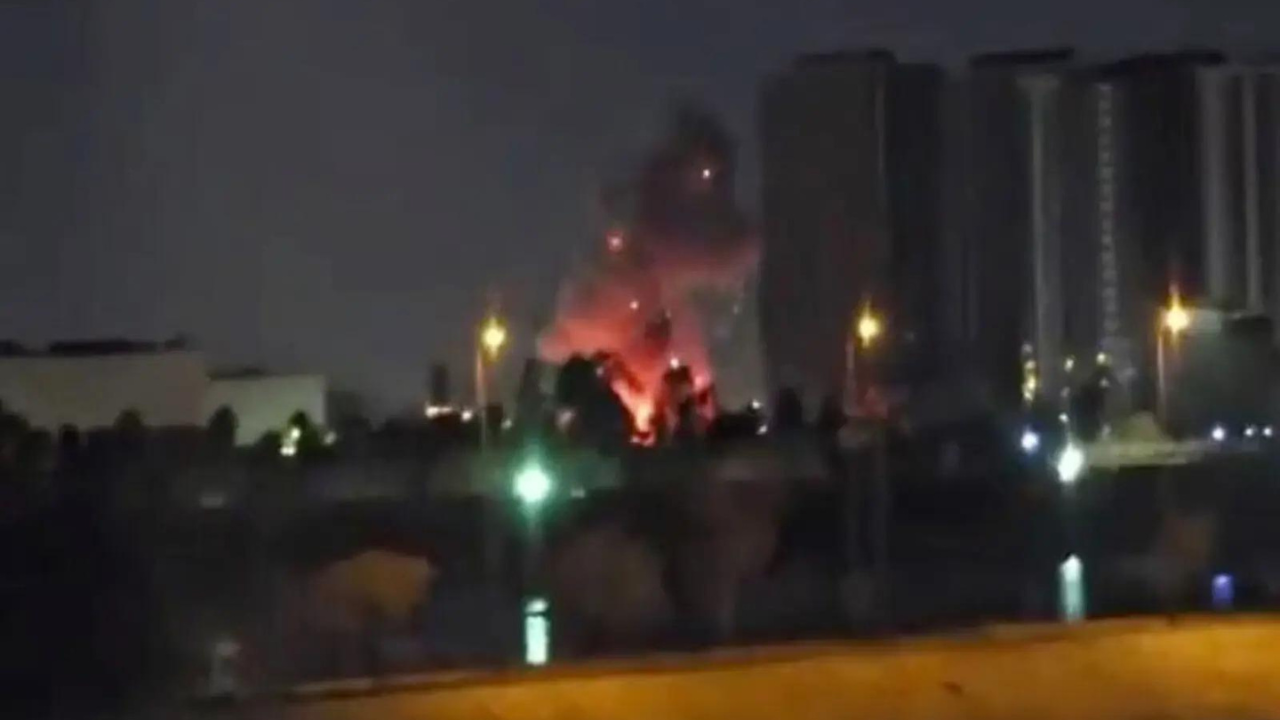
The President’s recent posts on X (formerly Twitter) make it clear. He’s framing the solidarity of the Iranian people as the engine behind this achievement. He’s telling the public that their sacrifices weren't in vain. But look at the numbers. The strikes on Tehran and the surrounding infrastructure have been brutal. The "principles" Iran claims it upheld in this deal—sovereignty, reparations, and international guarantees—are the exact things they’ve been demanding for decades with very little to show for it.
What Tehran Actually Thinks It Gained
If you listen to the state-run Fars News Agency, you’d think the West came crawling to the table. Tehran’s narrative centers on three specific wins:
- Security Guarantees: Iran claims they have formal assurances that their territory won't be hit again.
- Regional Legitimacy: By involving mediators like Pakistan and Oman, they’re trying to show they aren't isolated.
- Internal Stability: The ceasefire stops the immediate bleeding, allowing the transitional government to figure out who actually runs the country now that the top seat is empty.
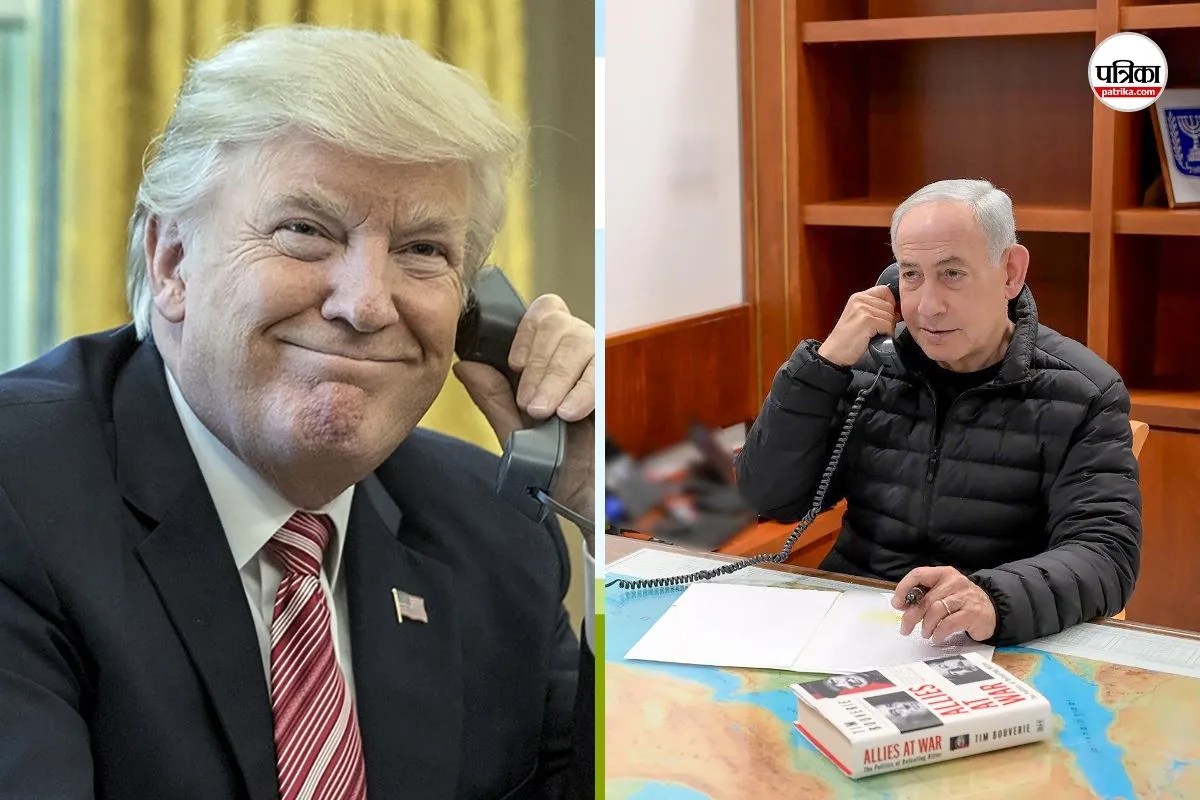
Honestly, the "security guarantees" part is the biggest question mark. History shows that in this region, a ceasefire is often just a chance to reload. Israel has already made it clear that their operations against Hezbollah in Lebanon aren't necessarily bound by the same clock. Netanyahu has been vocal about "dismantling Iran," and a two-week pause doesn't change that long-term goal.
The Hezbollah Factor and the Broken Front
You can't talk about Iran’s "victory" without looking at Lebanon. The November 2024 ceasefire was supposed to be the fix. Instead, it became a sieve. Hezbollah has been trying to rearm, and Israel has been hitting them every time they move a missile.
Hezbollah’s own leadership is currently claiming they are on the "brink of a historic victory," echoing Pezeshkian’s tone. It’s a synchronized PR campaign. They’re telling residents of southern Lebanon to stay put until the "final victory" is announced. But the reality on the ground is a mess of displaced families and ruined villages. If Iran’s "terms" were actually met, we wouldn't see continued strikes in Beirut’s suburbs hours after a truce was announced.
Why the Market is Buying the Hype (For Now)
Global markets don't care about "martyr's blood," but they do care about the Strait of Hormuz. When Pezeshkian signaled a conditional offer to end the war, oil prices twitched. Investors started unwinding the "risk premium." This is exactly what Tehran wants. They know that if they can look like the "reasonable" party for even five minutes, they can create friction between the U.S. and its European allies who are desperate for energy stability.
But here’s the mistake people make: they think the market’s relief means the war is over. It’s not. It’s a tactical pause. Iran is still threatening strategic ports in the UAE, like Fujairah, if they keep supporting U.S. strikes. They’re using the "carrot" of a ceasefire in one hand and the "stick" of regional sabotage in the other.
The Succession Crisis Hiding Behind the Rhetoric
The most telling part of Pezeshkian’s "victory" speech is what he didn't say. He didn't talk about who’s next. With Khamenei gone, the power vacuum is massive. The Revolutionary Guard (IRGC) is lurking in the shadows, and they aren't exactly known for their love of diplomatic compromises.
Pezeshkian is using this ceasefire to buy himself time. If he can show that his "diplomacy of strength" works, he might be able to keep the IRGC from taking total control of the state. It’s a internal power struggle disguised as a foreign policy win. He’s basically saying, "See? I got us a deal using the influence Khamenei built. Don't blow it."
How to Read Between the Lines
When a leader says a deal was inked on "their terms," you should immediately look at what they gave up. Iran has effectively accepted a pause while their main deterrent—Hezbollah—is being systematically degraded. They’re spinning a defensive necessity as an offensive triumph.
If you want to see where this actually goes, watch the borders.
- Watch the Litani River: If Hezbollah actually pulls back, the ceasefire is real. If they don't, it’s a farce.
- Watch the UAE: If Iran stops threatening their neighbors' oil infrastructure, then the "security guarantees" might have some teeth.
- Watch the IRGC: See if the military brass in Tehran starts "disappearing" or if they consolidate power.
Don't get distracted by the high-flying rhetoric about "blood" and "fruit." This isn't a victory parade; it’s a damage control operation. Pezeshkian is a pragmatist wearing a revolutionary’s mask, trying to save a system that’s closer to the edge than it’s ever been. The next few weeks will tell us if his "fruit" is actually ripe or just rotten.