Sarah stands in the aisle of a grocery store, staring at a box of cereal. This should be a three-second decision. Cocoa-dusted grains or honey-glazed loops? To an outsider, she is just another shopper lost in the mundane choreography of a Tuesday afternoon. But inside Sarah’s mind, a riot is happening. She is calculating the glycemic load, weighing the environmental impact of the palm oil in the ingredients, and wondering if the price hike since last month means she should cut back on the fresh berries in the next aisle.
The box feels heavy. Not because of its physical weight, but because of the mental friction required to put it in the cart. This is the tax we pay for living in an era of infinite, microscopic choices.
We were promised that more information would make us free. Instead, it made us exhausted. Every "latest update" and every "new report" acts like a grain of sand dropped into the gears of our intuition. Eventually, the machine just stops turning.
The Ghost of the Perfect Choice
Imagine a man named Elias. Elias is thirty-four, works in middle management, and has spent the last three weeks trying to buy a vacuum cleaner. He has read forty-two reviews. He has watched six hours of "unboxing" videos where people in crisp white rooms suck up piles of sawdust and pet hair. He knows the difference between a HEPA filter and a standard foam gasket.
Yet, Elias hasn't bought a vacuum.
He is haunted by the fear of the "sub-optimal." He is terrified that ten minutes after he hits the buy button, a new model will drop, or he’ll find a forum post explaining why the motor he chose tends to burnout after eighteen months. Elias isn't just trying to clean his carpet; he’s trying to outsmart the future.
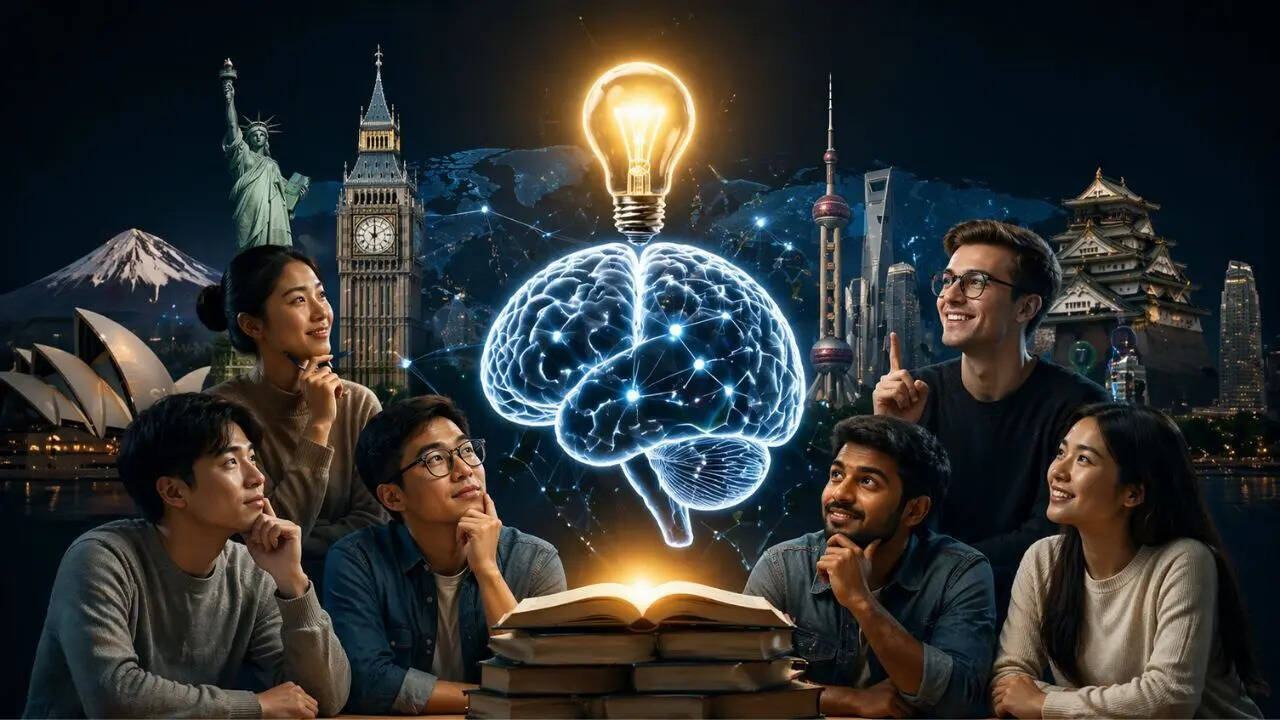
This isn't a lack of willpower. It’s a biological overload. Our brains evolved to handle high-stakes, low-frequency decisions—like whether to fight a predator or move the tribe to a new valley. We did not evolve to navigate a world where every single purchase, every social media interaction, and every health tip requires the same level of analytical scrutiny.
When we talk about the "latest news" or "current trends," we often treat them as tools. We think of them as upgrades to our operating system. But what if they are actually background processes draining our battery?
The Geometry of Stress
Stress isn't a vague cloud that follows us around. It is a physiological response to the gap between what we need to do and the resources we have to do it. When that gap widens, our bodies pay the price.
Cortisol, the hormone often blamed for our mid-afternoon slumps and late-night insomnia, doesn't care about the quality of your cereal or the suction power of your vacuum. It only cares that you are in a state of perceived conflict. Every time you hesitate, every time you weigh two identical options until your head aches, you are signaling to your nervous system that you are under threat.
But the threat isn't a tiger. The threat is the possibility of being wrong.
We live in a culture that treats "being informed" as a moral virtue. If you don't know the latest statistics on the economy or the newest findings in nutritional science, you are seen as negligent. So we keep digging. We keep scrolling. We keep adding more data to the pile, hoping that eventually, the "right" answer will emerge with such clarity that the choice will be made for us.
It won't.
The Myth of the Data-Driven Life
The most dangerous lie we believe is that more data leads to better outcomes. In reality, data often leads to paralysis.
Think of a pilot. A pilot has dozens of gauges and screens in the cockpit. If they tried to analyze every single flickering needle with equal intensity, the plane would fall out of the sky. Instead, they rely on "cross-checking"—looking for the few key indicators that actually matter and trusting their training to handle the rest.
Most of us are flying our lives by staring at the fuel gauge and the cabin temperature at the same time, wondering why we feel so panicked.
Consider the way we consume health advice. One day, caffeine is a miracle antioxidant that will make you live to a hundred. The next day, it’s a nervous system disruptor that’s ruining your adrenal glands. If you follow the "latest" news with religious fervor, you will find yourself in a perpetual state of whiplash. Your body, meanwhile, just wants to know if it can have a cup of coffee without you having a panic attack about it.
The real expertise isn't in knowing more. It’s in knowing what to ignore.
The Cost of Hyper-Awareness
There is a psychological phenomenon known as "choice overload," but it goes deeper than just having too many brands of jam on a shelf. It’s about the erosion of trust in our own senses.
When we rely entirely on external data—the latest studies, the most recent polls, the trending topics—we stop listening to the feedback loop of our own lives. We forget how a certain food actually makes us feel because we’re too busy reading about how it’s supposed to make us feel. We ignore our own career satisfaction because the "market trends" say we should be doing something else.
We have become a society of auditors, constantly checking the books of our lives but never actually living the story.
Sarah, still in the grocery store, finally picks the honey-glazed loops. She chooses them because she remembers her grandfather buying them for her when she was six. For a fleeting second, the "latest" health data doesn't matter. The price doesn't matter. The palm oil doesn't matter. The only thing that matters is the warmth of a memory and the simple, human desire for something that tastes like home.
In that moment, she isn't a consumer. She isn't a data point. She is a person.
The Art of the Good Enough
To survive the modern world, we have to reclaim the "good enough."
This isn't an argument for mediocrity. It’s an argument for sanity. The pursuit of the absolute best—the "maximizer" mindset—is a recipe for chronic unhappiness. Maximizers spend more time choosing, but they are consistently less satisfied with their choices because they can always imagine a better one that they might have missed.
Satisficers, on the other hand, have a set of criteria. Once those criteria are met, they stop looking. They buy the vacuum that works. They eat the cereal they like. They read the news to be aware, not to be consumed by it.
The weight we feel when we try to stay "up to date" is the weight of trying to be more than human. We are trying to process the world at the speed of a fiber-optic cable, but our hearts still beat at the same rhythm they did a thousand years ago.
We have to give ourselves permission to be "uninformed" about the things that don't move the needle of our souls. We have to learn to look at the "latest" and say, "Not today."
The Silent Return
Eventually, the noise dies down.
Sarah walks out of the store. The sun is hitting the pavement in a way that makes the grease spots look like rainbows. She isn't thinking about the grocery bill or the glycemic index anymore. She is thinking about the sound of the screen door at her grandfather’s house, the way it used to creak before it slammed shut.
Elias eventually buys a vacuum. It’s a mid-range model with a cord that’s slightly too short, but it picks up the dust. He spends the hour he would have used for more research sitting on his balcony, watching the birds.
The world will keep spinning out "the latest." It will keep demanding your attention, your clicks, and your anxiety. It will tell you that if you just read one more article, you’ll finally have the answer.
But the answer isn't in the data. It’s in the quiet space where you stop looking for it.
True wisdom isn't the accumulation of new facts. It’s the courage to put down the box, walk out of the aisle, and trust that you already have exactly what you need to survive the afternoon.
The screen flickers. The notification pings. A new update is available.
Close the tab.