The air in the Grand Est region of France usually carries the scent of damp earth and pine. It is the kind of air that invites you to breathe deeply. But for one patient currently lying in a critical care unit, that breath became a battleground. This isn't a story about a global pandemic or a Hollywood-style viral meltdown. It is something far more intimate, localized, and haunting.
Eleven people in France have now been diagnosed with Hantavirus since the start of the year. While eleven sounds like a small number in a world of billions, for the families sitting in sterilized hospital waiting rooms, the statistics matter less than the terrifying speed with which a fever can turn into organ failure. For a closer look into similar topics, we suggest: this related article.
The Dust of the Unseen
Imagine a gardener clearing out an old shed. It is a mundane Saturday chore. There is a light layer of dust on the wooden slats, left behind by the bank voles that sought refuge there during the winter. As the broom sweeps across the floor, that dust rises into a sunbeam. It looks innocent. But within that dust lives a pathogen that doesn't need a bite or a scratch to jump species. It just needs to be inhaled.
This is the Puumala virus, the specific strain of Hantavirus prevalent in Western Europe. Unlike its deadlier cousins in the Americas, which target the lungs with a high mortality rate, the European variety has an affinity for the kidneys. The transition from a healthy person to a patient in critical care is jarringly brief. It begins with a "flu-like" haze—muscle aches, a mounting fever, and a headache that feels like a physical weight behind the eyes. For additional context on this topic, comprehensive coverage is available at Everyday Health.
Then, the kidneys begin to falter.
A Critical Threshold
The French health authorities are watching the Grand Est and Hauts-de-France regions with a practiced, cautious eye. Outbreaks are not unheard of, but the severity of the most recent case—a patient requiring intensive life support—serves as a reminder that "rare" does not mean "mild."
When we talk about public health, we often get bogged down in the mechanics of transmission. We speak of hemorrhagic fever with renal syndrome (HFRS). We discuss protein shells and RNA strands. But the human reality is a sudden loss of autonomy. It is the moment a doctor explains that your body is no longer filtering its own blood. It is the visceral fear of watching the output of a catheter or monitoring the rising levels of creatinine in a lab report.
The stakes are invisible until they are absolute.
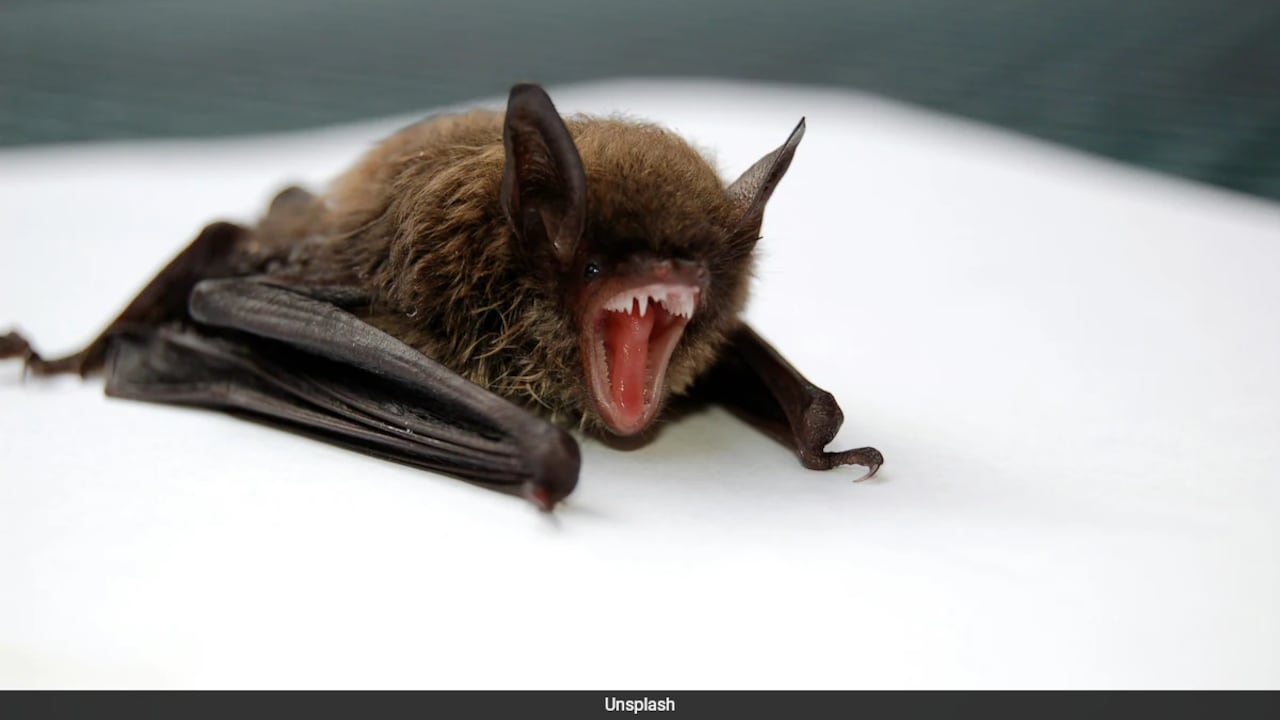
The bank vole, the primary reservoir for the virus, is a tiny creature. It is soft, nimble, and carries the virus without getting sick itself. It sheds the pathogen in its urine and droppings. In a damp, forested environment, the virus can survive for weeks outside a host, waiting for a human to disturb the peace of a cellar, a barn, or a woodpile.
The Geography of Risk
Why now? Why France?
Pathogens are opportunistic historians. They follow the rhythms of the environment. A mild winter or a "mast year"—where trees produce an overabundance of seeds—leads to a population explosion among rodents. More voles mean more viral shedding. More shedding means a higher probability that a hiker, a farmer, or a weekend gardener will cross paths with a microscopic threat.
The current cluster of eleven cases suggests a pulse in the local ecosystem. It is a reminder that our health is tethered to the health of the woods behind our homes. We are not separate from the environment; we are porous to it.
The medical community in France is currently focused on early intervention. The difficulty lies in the mimicry of the virus. In its early stages, Hantavirus looks like a dozen other things. It looks like the common flu. It looks like exhaustion. It looks like a summer cold. By the time the back pain starts—a telltale sign of renal distress—the virus has already established a foothold.
The Weight of a Breath
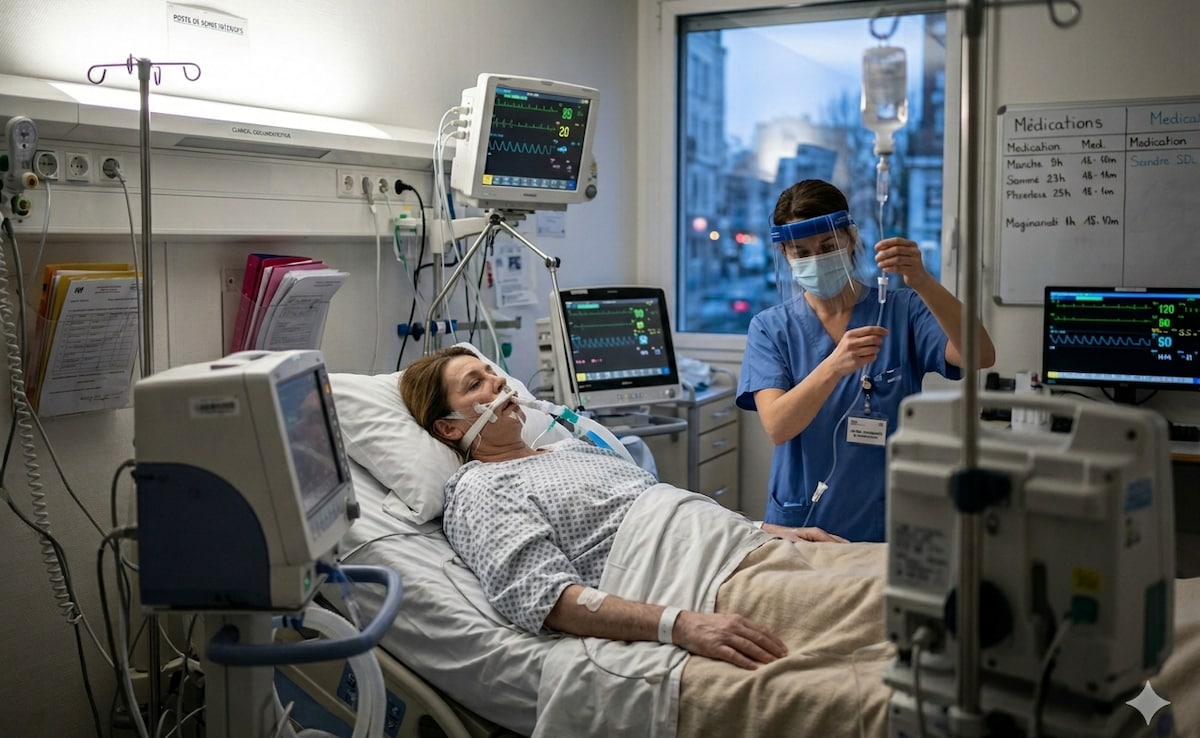
For the patient in critical care, the narrative is no longer about "cases" or "outbreaks." It is about the rhythm of a ventilator and the hope that the kidneys will spark back to life before permanent damage occurs.
There is a specific kind of silence in an ICU. It is punctuated only by the rhythmic huff of machines. In that silence, the "standard facts" of a news report feel insulting. A "critical case" isn't a data point. It is a person who, perhaps a week ago, was simply cleaning a garage or stacking firewood for the coming autumn.
We live in an age where we expect to be warned about every danger. We want apps to alert us and headlines to scream before the threat arrives. But Hantavirus is a quiet protagonist. It doesn't announce itself with a roar. It moves in the dust. It waits in the shadows of a rural shed. It enters the body in a single, unnoticed breath.
The current rise to eleven cases isn't a reason for panic, but it is a reason for a specific kind of reverence. It is a prompt to wear a mask when cleaning out the attic. To dampen the floor before sweeping. To acknowledge that the smallest creatures in our ecosystem can carry the heaviest consequences.
The patient in the hospital is fighting to return to the world of the living, to a world where the air is just air again. Out in the Grand Est, the sun is likely setting over the forests, casting long shadows where the voles move through the undergrowth, carrying their silent cargo into the night.