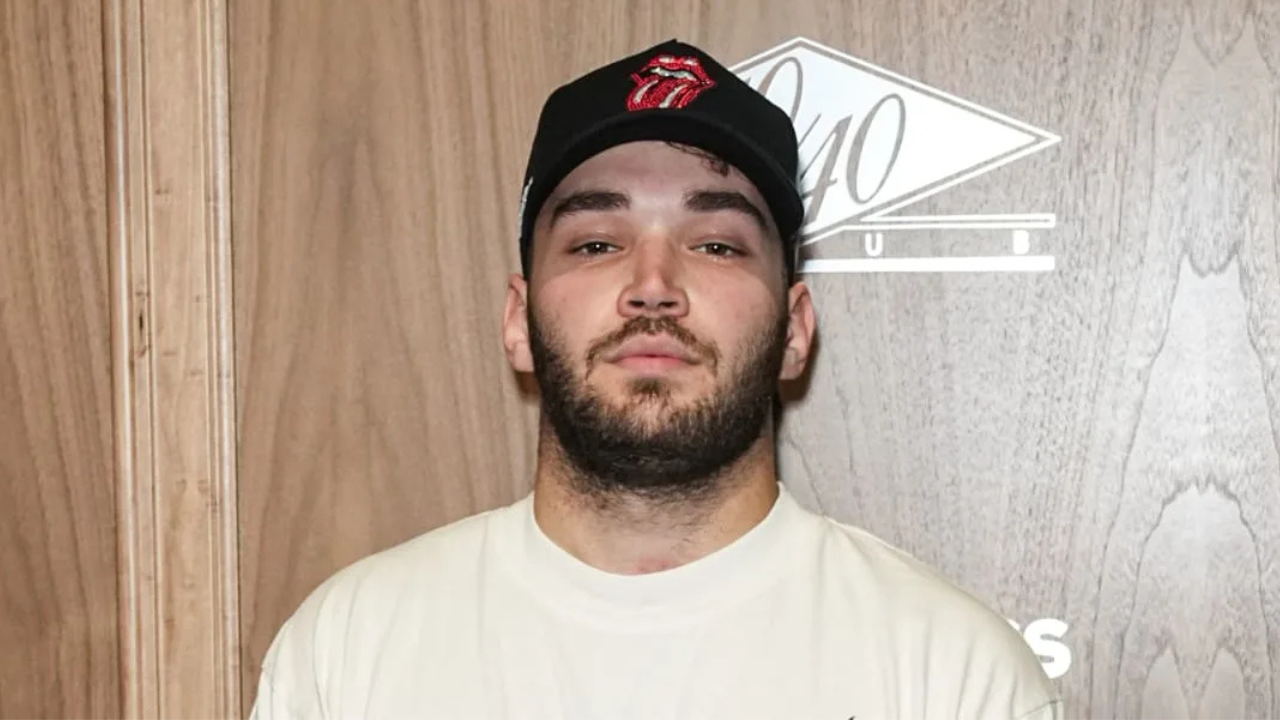
Adin Ross will not attend UFC Freedom 250 at the White House despite a personal invitation from Donald Trump because unconfirmed rumors indicate Israeli Prime Minister Benjamin Netanyahu may sit cageside. The popular Kick live streamer broke the news to his audience during a recent broadcast, stating he would rather watch the June 14, 2026, fight card from home with his father.
While the internet reacts to the sudden fracture in one of the most visible political-influencer alliances of the decade, the real story stretches far beyond a single creator sitting out a pay-per-view. The empty seat reveals a massive fault line where the unregulated, hyper-reactive economy of live streaming collides with the rigid, high-stakes theater of global geopolitics.
The Shadow Over the South Lawn
Construction crews are already assembling the metal framework of a full-scale UFC cage on the South Lawn. The event, timed to celebrate the 250th anniversary of American independence and Donald Trump’s 80th birthday, is projected to cost roughly $60 million to produce. The card features elite matchups, including Alex Pereira facing Ciryl Gane, and is designed to be a crowning moment of political and sporting spectacle.
Then came the rumor. Reports originating from niche combat sports outlets suggested Benjamin Netanyahu expressed interest in attending the event to watch the heavyweight bouts from a premier VIP position.
For Ross, who built his massive digital following on raw, unedited, daily interaction with millions of young fans, that rumor transformed a golden ticket into a radioactive liability.
“I’m not going. I told you guys I’m not going,” Ross told his chat, attempting to downplay the decision. “Bro, I’d just prefer not to go. I’d rather just watch it at home with my dad.”
The casual delivery masks a calculated retreat. For a creator who famously gifted Trump a custom Tesla Cybertruck and a Rolex watch during a high-profile 2024 stream, pulling out of an exclusive 4,300-seat White House event is an unprecedented step backward.
When Content Creation Meets Geopolitical Liability
Streamers thrive on chaos, but they falter under real geopolitical weight. In the streaming ecosystem, creators routinely navigate internet drama, platform bans, and corporate sponsor disputes. These are manageable variables controlled by algorithms and PR managers.
An ongoing international conflict is an entirely different beast. Ross possesses a highly volatile, deeply divided audience. Stepping into a highly politicized venue alongside a controversial foreign leader carries a severe risk of immediate, unmanageable backlash.
A traditional celebrity might rely on a corporate crisis management team to smooth over a controversial public appearance. A live streamer cannot. Their economy depends on a direct, authentic connection with viewers who react in real time. If the chat turns toxic, the brand devalues instantly.
By choosing his couch over the White House lawn, Ross demonstrated that even the most daring internet stars understand where the boundaries lie. The digital bravado evaporates when forced into the same room as international diplomacy.
The Economics of a Free Ticket
The White House Octagon is not operating like a standard Las Vegas fight night. There are no public ticket sales. Instead, the gate is divided among three powerful gatekeepers.
- Donald Trump controls a pool of 1,000 invitations.
- Dana White holds 200 tickets for personal distribution.
- Ari Emanuel, CEO of TKO Group Holdings, commands another 200.
The remaining seats are designated for members of the United States military, while an estimated 85,000 fans will watch via massive screens at nearby Ellipse Park.
With corporate sponsorship packages climbing as high as $1.5 million for ringside access, every seat on the lawn carries immense financial and social capital. When an influencer rejects a seat in that exclusive tier, they are not just missing a party. They are actively walking away from a high-level networking ecosystem where tech executives, political donors, and international power brokers mingle.
The Limits of Influencer Access
For the past two years, the political establishment viewed top-tier live streamers as an easy gateway to young male voters. Politicians sat for hours in streaming studios, adapted to internet slang, and tolerated the chaotic environments of platforms like Kick and Twitch to secure cultural relevance.
UFC Freedom 250 represents the moment the terms of that agreement reversed. The politicians invited the creators into their arena, demanding they navigate a formal, high-stakes environment where every attendee is a statement.
Ross’s exit proves that the bridge between digital culture and traditional power is fragile. Streamers can easily broadcast political figures to an audience of teenagers from the comfort of a gaming studio. However, those same creators are largely unequipped to handle the heavy scrutiny of the global political stage.
The rings at the White House will still feature champions, and the spectacle will proceed with thousands of attendees. But the empty space where a premier internet celebrity was supposed to stand serves as a reminder that some arenas remain too hot for the internet's boldest personalities to enter.