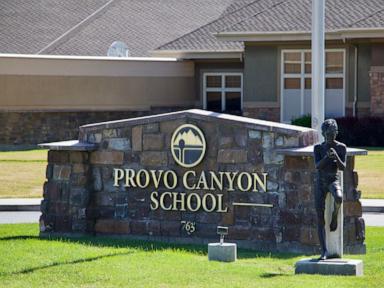
The multi-billion-dollar network of private, for-profit residential treatment centers known as the troubled teen industry has faced its most severe reckoning to date. State regulators in Utah have officially stripped the license from the Provo Canyon School’s primary campuses, ordering the facility to shut down operations. This decision directly follows a high-profile, years-long advocacy campaign spearheaded by media personality Paris Hilton, who spent nearly a year at the facility in the late 1990s and has publicly detailed accounts of physical assault, forced medication, and solitary confinement during her time there.
While the closure is being celebrated as a historic victory for survivor advocacy, the reality of the industry suggests that shuttering a single facility is merely a temporary fix for a deeply systemic problem. For decades, these private youth facilities have operated within regulatory grey areas, often rebranding or shifting locations when legal pressures mount. This investigative report uncovers why these institutions endure, how they evade accountability, and what the closure of Provo Canyon School reveals about the broader crisis of institutional youth care.
The Illusion of Reform and the Rebranding Loophole
Regulatory actions like the one executed by the Utah Department of Health and Human Services are rare victories in a sector designed to withstand scrutiny. The state’s official citation list against the Provo Canyon School’s campuses paints a chilling picture of modern operations. Investigators documented a failure to maintain adequate staff-to-client ratios, instances of unnecessary physical restraint, aggressive contact with minors, and a systemic failure to complete timely background checks on employees. In one severe incident, staff members reportedly failed to seek immediate medical attention for a juvenile who had sustained serious physical injuries.
The standard corporate response from the facility’s current administration follows a familiar playbook: point to the calendar. The current ownership group frequently notes that they cannot comment on historical allegations, emphasizing that the worst abuses occurred under previous management.
This defense obscures the operational reality of the industry. When a major residential treatment facility faces an existential threat to its license, the underlying corporate structure rarely dissolves. Instead, the facility is often sold to a new private equity firm or a different healthcare conglomerate. The name on the gate changes, the marketing materials are updated with buzzwords promising therapeutic care, but the entry-level staff, the physical isolation, and the fundamental business model remain completely unchanged.
The Economics of Isolation
To understand why the troubled teen industry resists permanent regulation, one must follow the money. These facilities are not traditional boarding schools; they are highly profitable psychiatric residential treatment centers funded by a mix of wealthy parents, private insurance providers, and state education or foster care budgets.
Consider a hypothetical scenario where an out-of-state school district cannot manage a student with severe behavioral challenges. The district may choose to pay a residential facility upwards of $10,000 a month to house and educate that child. This turns the care of vulnerable youth into a high-margin commodities market.
High margins rely on keeping operational costs as low as possible. The most efficient way to maximize profit in a residential facility is to minimize labor costs. This translates to low wages for floor staff, minimal training requirements, and high student-to-staff ratios. When underpaid, untrained individuals are tasked with managing highly traumatized adolescents in closed environments, the natural result is a reliance on coercive control, physical restraints, and chemical sedation.
Why Utah Became the Epicenter
The geographic concentration of these facilities is not an accident. Utah has historically hosted an outsized number of these programs due to a combination of favorable local laws, minimal state oversight, and a cultural tradition that highly values parental rights over state intervention. For decades, out-of-state parents looking for solutions to rebellious or struggling teenagers sent their children to the high deserts and mountain valleys of the West, trusting that the lack of public scrutiny guaranteed a disciplined, safe environment.
This geographical isolation serves a dual purpose. It removes the child from their familiar support networks, making it incredibly difficult for them to report abuse to trusted adults. Furthermore, it creates a jurisdictional barrier. If a child from New York is mistreated in a Utah facility, navigating the legal, regulatory, and law enforcement apparatus across state lines presents an overwhelming challenge for families seeking justice.
The Limits of Celebrity Advocacy
Paris Hilton’s testimony before state legislatures and Congress has undoubtedly shifted public perception, driving the passage of new oversight laws in Utah and 15 other states. Her financial resources and media platform forced a level of scrutiny that ordinary families could never achieve.
Yet, relying on celebrity figures to drive regulatory enforcement highlights a major flaw in the system. The vast majority of youth currently residing in these facilities do not have wealthy or famous parents. Many are placed there by the foster care system, juvenile justice departments, or desperate families who have exhausted their local mental health resources. When a facility closes, these children do not simply return to stable homes. They are often transferred to other institutions within the same network, perpetuating the cycle of institutionalization.
State regulators themselves acknowledge the danger of abrupt closures. Hastily shutting down a major facility without a comprehensive transition plan can leave highly vulnerable youth without immediate placement, forcing them into even less regulated environments or temporary state custody.
A Fragmented Regulatory Landscape
The fundamental reason the troubled teen industry continues to thrive is the lack of centralized, federal oversight. Every state maintains its own distinct definitions, licensing requirements, and inspection protocols for residential youth programs. A facility shut down for safety violations in one state can easily see its executives move across state borders to open a virtually identical program under a different name.
True accountability requires comprehensive federal standards that mandate strict transparency, universal background checks, independent oversight bodies, and the complete elimination of profit incentives from youth mental health care. Until the underlying economic incentives that turn juvenile behavioral care into a lucrative corporate enterprise are dismantled, the closure of individual facilities will remain a reactive measure rather than a preventative solution. The shuttering of Provo Canyon School marks the end of a notorious chapter, but the broader industry continues to operate in the shadows, waiting for the public spotlight to fade.