A nominal truce brokered by Washington was supposed to cool the border war between Israel and Hezbollah. Instead, the deal is unraveling in real-time on the asphalt of Lebanon’s arterial highways.
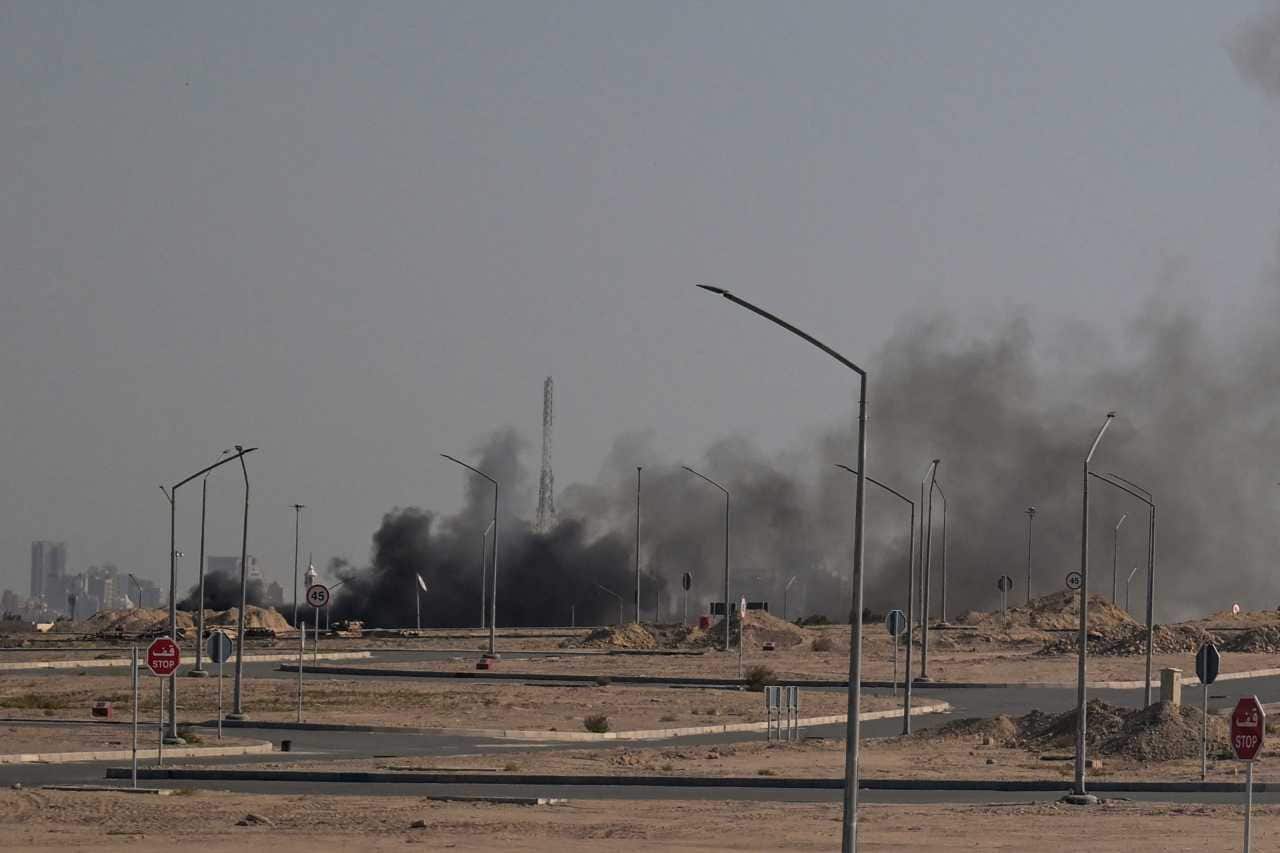
On Wednesday, an Israeli drone strike incinerated a vehicle on the Khalde road, a vital bottleneck at the southern gates of Beirut. Simultaneously, Israeli air defenses intercepted a suspected Hezbollah drone and two rockets over the Galilee Panhandle in northern Israel. The kinetic exchange represents the most dangerous breach of the diplomatic framework engineered just forty-eight hours prior. It exposes a fundamental flaw in the agreement: what diplomats call a managed de-escalation, military commanders on both sides view as an invitation to test boundaries.
The escalation happened on the exact day diplomats from both nations gathered in Washington for a second day of direct talks. It reveals a deep disconnect between Western diplomatic ambitions and the reality on the ground.
The Geography of Friction
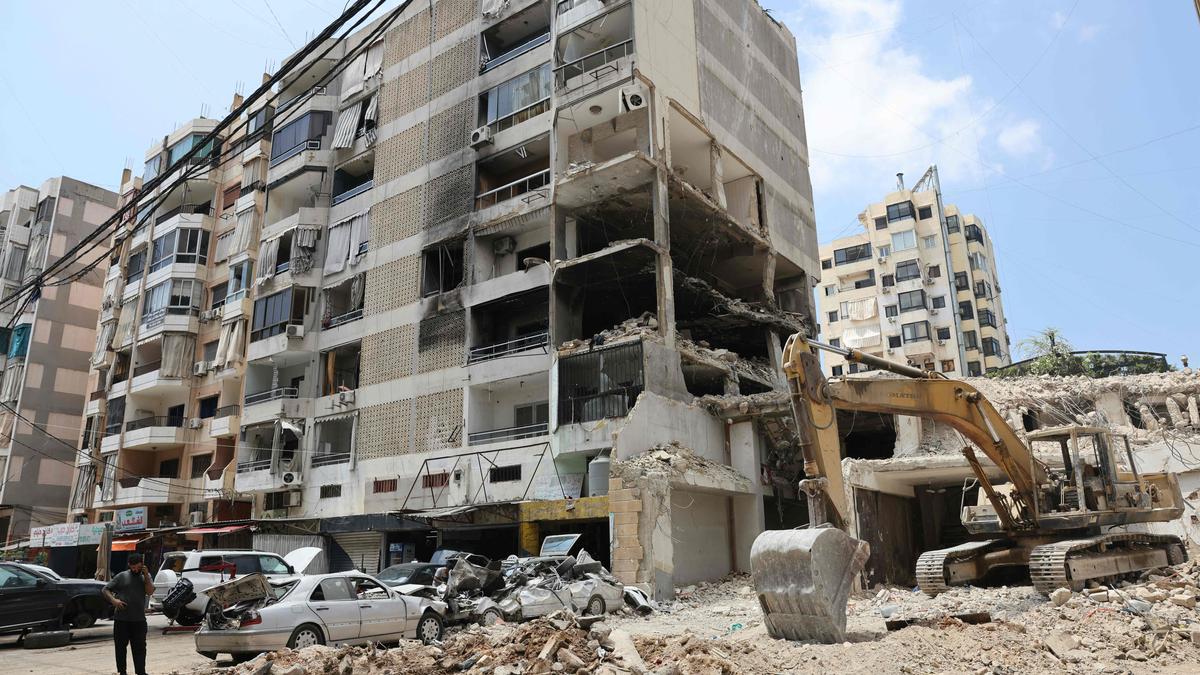
The strike at Khalde was not a random act of aggression. It occurred several kilometers south of Beirut, precisely calibrated to skirt the geographic restrictions laid out by the White House. Under the terms announced on Monday, Israel agreed to suspend its devastating bombardment of Dahiyeh, the Hezbollah-controlled southern suburbs of the capital. In return, Hezbollah agreed to halt cross-border rocket fire into northern Israel.
Both sides are now exploiting the grey areas of this agreement.
By striking just outside the capital's official perimeter, Israel maintains its targeted assassination campaign without technically violating the ban on hitting Beirut proper. The strike on the Khalde highway wounded two people, following a pattern of widespread drone operations across the south. Israeli drones hit at least ten vehicles on Wednesday, including a raid near the coastal city of Tyre that killed six people—consisting of four Syrian nationals and two Palestinian nationals. Another strike hit a Lebanese Armed Forces vehicle in Deir ez-Zahrani, wounding an officer and a soldier.
Hezbollah is playing a parallel game of brinkmanship.
The drone intercepted over Kiryat Shmona and the rockets downed near Misgav Am did not trigger a massive retaliatory salvo. Hezbollah did not claim immediate responsibility for the launches. This calculated anonymity allows the group to pressure Israel without formally tearing up the Washington talks. By keeping the volume of fire low and unbranded, Hezbollah tests the limits of Israel's defensive patience while keeping its diplomatic options open.
The Red Lines in the Sand
The current crisis stems from conflicting definitions of deterrence. Israeli Defense Minister Israel Katz stated that any attack on northern Israeli communities would result in an immediate return to pounding Dahiyeh. The military backs this up with administrative pressure, issuing evacuation orders for six more villages and towns in southern Lebanon.
The United States has implicitly backed this interpretation, signaling that Israel retains the right to self-defense against imminent threats. Yet this logic creates an unstable cycle.
- Israel claims its strikes are preemptive measures against Hezbollah operations.
- Hezbollah frames its drone incursions as a response to Israeli occupation forces inside the southern security zone.
- The Lebanese military finds itself caught in the middle, taking casualties despite not being an active party to the conflict.
The numbers reveal the human cost of this gray-zone warfare. Over 3,500 people have died in Lebanon since this phase of the war began on March 2. The Israeli military has lost 26 soldiers and a civilian contractor in southern Lebanon since that same date, with more than half of those casualties occurring after an earlier, failed truce attempt in mid-April.
The Washington Disconnect
While the highway near Beirut burned, negotiators in Washington attempted to formalize a partial ceasefire. This approach assumes that a complex, ideological conflict can be managed through geographic micro-agreements.
It ignores the regional dimensions of the war. Iran has explicitly tied a permanent peace in Lebanon to a broader settlement with the United States. Tehran has even warned northern Israeli residents to flee, hinting at direct intervention if Israel launches a full-scale assault on Beirut.
This creates a paradox for Western diplomacy. The current framework handles the symptoms of the conflict—such as the bombardment of major cities—while leaving the underlying causes unaddressed. The presence of Israeli ground troops in southern Lebanon and Hezbollah’s continued deployment of uncrewed aerial vehicles ensure that friction points remain constant.
Tactical Shifts on the Ground
The tactical execution of Wednesday’s actions shows how both militaries are adapting to the political constraints of the ceasefire. Israel has shifted away from heavy, unguided munitions in urban centers toward highly targeted drone strikes on vehicles along southern transport corridors. This minimizes visible structural damage while keeping pressure on Hezbollah’s logistics and personnel.
Hezbollah has pivoted to low-signature drone operations. These small, slow-flying aircraft are difficult to detect on radar, designed to bypass Israel’s multi-layered air defense grid. Even when intercepted, as occurred over the Galilee Panhandle, they force northern Israeli towns into bomb shelters, disrupting daily life and maintaining a state of siege without launching massive rocket barrages.
This dynamic cannot last. A peace that relies on drone operators choosing their targets based on highway exit markers is inherently unstable. With every vehicle struck near Beirut and every drone sent across the border, the margin for error shrinks. The talks in Washington are not building a lasting peace; they are simply managing the transition to the next, more violent phase of the conflict.