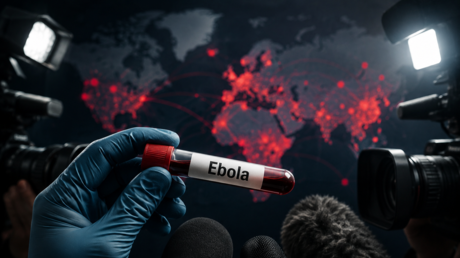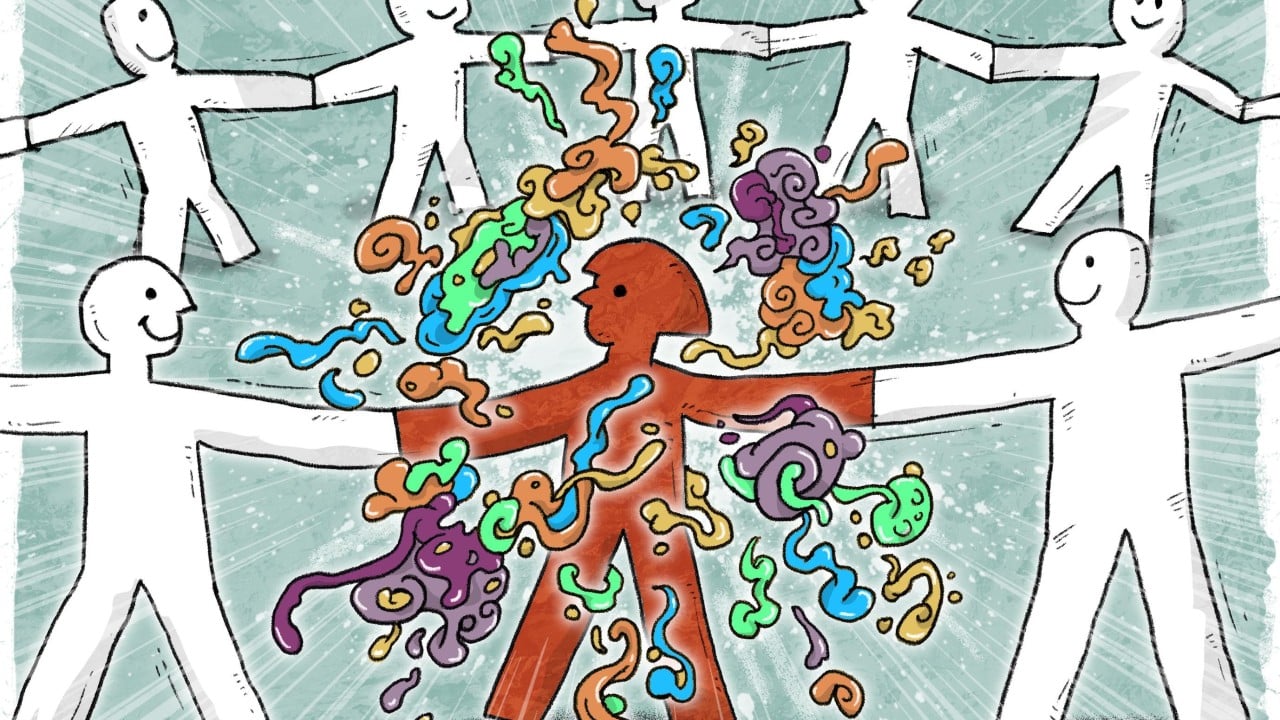
The current Bundibugyo Ebola outbreak tearing through the eastern Democratic Republic of the Congo and crossing into Uganda is quietly exploiting a predictable social reality. Over 60% of suspected cases are women. This statistical imbalance is not a biological quirk of the virus, but rather a direct reflection of who handles the burden of care in these communities. While international response efforts focus heavily on clinical isolation and high-tech containment, they routinely ignore the domestic front line. Women are contracting and dying from Ebola at disproportionate rates simply because they are fulfilling their traditional obligations as caregivers, nurse-midvises, and funeral preparers.
To halt this rapidly expanding public health emergency, containment strategies must shift focus from centralized hospital units to the household level where the first lines of transmission actually occur. Don't forget to check out our recent post on this related article.
The Mathematical Certainty of Self Sacrifice
Epidemiological history shows that when Ebola strikes, the domestic division of labor acts as the primary vector for transmission. During the 2018–2020 outbreak in the DRC, women and girls accounted for roughly two-thirds of all reported cases. Go back to Liberia in 2014, and women comprised up to 75% of the mortality rate in specific hard-hit clusters. The virus does not discriminate by sex, but it actively hunts physical contact.
When a family member begins to sweat, vomit, or bleed, a distinct social expectation triggers. Men frequently leave the homestead to secure income or manage livestock, while women remain behind to nurse the sick. They wash soiled bedding, clear away highly infectious vomit, and feed weak children. Because the Bundibugyo strain currently circulating lacks an approved, widely distributed vaccine or therapeutic treatment, standard prevention relies entirely on physical barriers. Yet, in remote health zones like Rwampara, Mongbwalu, and Bunia, basic personal protective equipment is nonexistent inside the home. A mother or sister does not wait for a shipment of nitrile gloves before cleaning her feverish child. She uses her bare hands, transforming an act of familial devotion into a lethal exposure event. To read more about the context of this, Medical News Today offers an excellent summary.
The Clinic as a Zone of Contagion
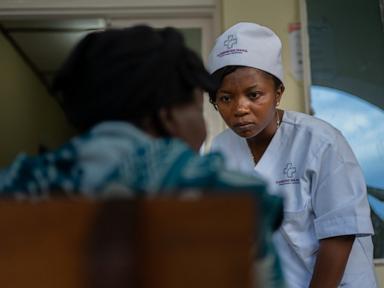
The crisis deepens when infections move from the home into rural health centers. In eastern DRC, the formal and informal medical systems are heavily staffed by women at the lower, high-contact echelons. Traditional birth attendants, ward cleaners, laundry workers, and state nurses are overwhelmingly female.
These frontline workers face immediate exposure due to structural shortages. Many rural clinics operate without reliable running water, let alone medical-grade face shields or impermeable gowns. When an undetected Ebola patient enters a clinic for a routine fever or a complicated pregnancy delivery, the female staff are the ones who handle the bodily fluids.
Compounding this risk is the profound fear that now surrounds these medical facilities. Pregnant women are increasingly avoiding prenatal checkups entirely, terrified that entering a clinic means walking into an Ebola trap. While staying home protects them from clinical exposure, it drastically increases the likelihood of unassisted, highly risky home births. If a pregnant woman contracts Ebola, the outcome is catastrophic, historically resulting in a near 100% rate of fetal loss and severe maternal mortality. The systemic failure to secure clinics does not just spread the virus; it breaks the entire maternal health infrastructure.
Death Rituals and the Final Exposure
Even when the struggle for survival ends in death, the gendered transmission chain continues. In many communities across Ituri and North Kivu provinces, funeral rituals dictate that the deceased must be prepared by members of the same sex. For a deceased woman, this means her female relatives are tasked with undressing, washing, shaving, and dressing the corpse.
An Ebola victim’s viral load peaks at the exact moment of death. The skin, sweat, and blood of the deceased are saturated with the pathogen. Handling a body under these conditions without specialized training or biohazard gear ensures transmission. International burial teams often arrive with heavy-handed containment protocols that completely disregard these local traditions. When foreign teams forcibly seize bodies without engaging local women, they spark intense community resentment and distrust.
As a result, families hide bodies, conduct secret midnight washings, and bury their dead in clandestine graves. This driving of the epidemic underground makes comprehensive contact tracing completely impossible.
The Collision of War and Disease
The current epidemic is not happening in a vacuum. It is unfolding across a landscape broken by decades of armed conflict. The presence of the Allied Democratic Forces and the M23 rebel group has forced hundreds of thousands of people into crowded, unsanitary displacement camps.
In these camps, clean water is a luxury. Quarantine measures are physically impossible when ten people share a single plastic tent. When health agencies impose lockdowns or restrictions on movement, the domestic pressures on women multiply. They must walk further to find safe water sources, exposing themselves to security threats, and they face a documented spike in domestic and gender-based violence within stressed households.
Decades of conflict have also left a deep, understandable legacy of skepticism toward outside authorities. When a truck full of international workers arrives in a remote village telling people to stop touching their sick relatives, the message is frequently met with hostility. Local communities often view health interventions as political ploys or foreign impositions. Without the explicit endorsement and leadership of local women's groups, top-down public health mandates inevitably fail to change behaviors on the ground.
Overhauling the Containment Model
The current approach to Ebola suppression is built from the top down, focusing on grand isolation wards while ignoring the household dynamic. To break the back of this outbreak, international and state actors must completely reallocate resources to match the sociological reality of transmission.
- Decentralize Protective Equipment: Instead of stockpiling personal protective equipment exclusively at major regional hospitals, distribution networks must deliver basic barrier kits directly to women-led community organizations, market associations, and household heads in active health zones.
- Integrate Traditional Caregivers: Public health agencies must stop treating traditional birth attendants and female community elders as obstacles. They must be equipped, trained in early symptom recognition, and compensated as recognized frontline health defense agents.
- Co-Design Safe Burial Practices: Rather than enforcing militarized burial protocols that alienate families, response teams must collaborate with local women to modify cleansing rituals, ensuring safety without violating cultural dignity.
- Deploy Disaggregated Tracking: Epidemic data tracking must mandate the collection of sex, age, and role-specific metrics. Blind data results in blind interventions.
The global health apparatus cannot continue to treat the disproportionate infection of women as an tragic footnote of geography. It is the core engine of the epidemic. Until containment strategies put resources directly into the hands of the women who run the households, the virus will continue to outpace the response.