The geopolitical script in New Delhi just changed, and Bollywood is scrambling to rewrite its third act. For the last few years, Indian action cinema had a reliable, highly profitable villain. Whenever a director needed an easy antagonist, they looked north. Filmmakers pumped out high-octane blockbusters featuring rogue intelligence agents, border skirmishes, and thin veils over real-world tensions with Beijing. Audiences cheered, box offices boomed, and the formula worked.
Not anymore.
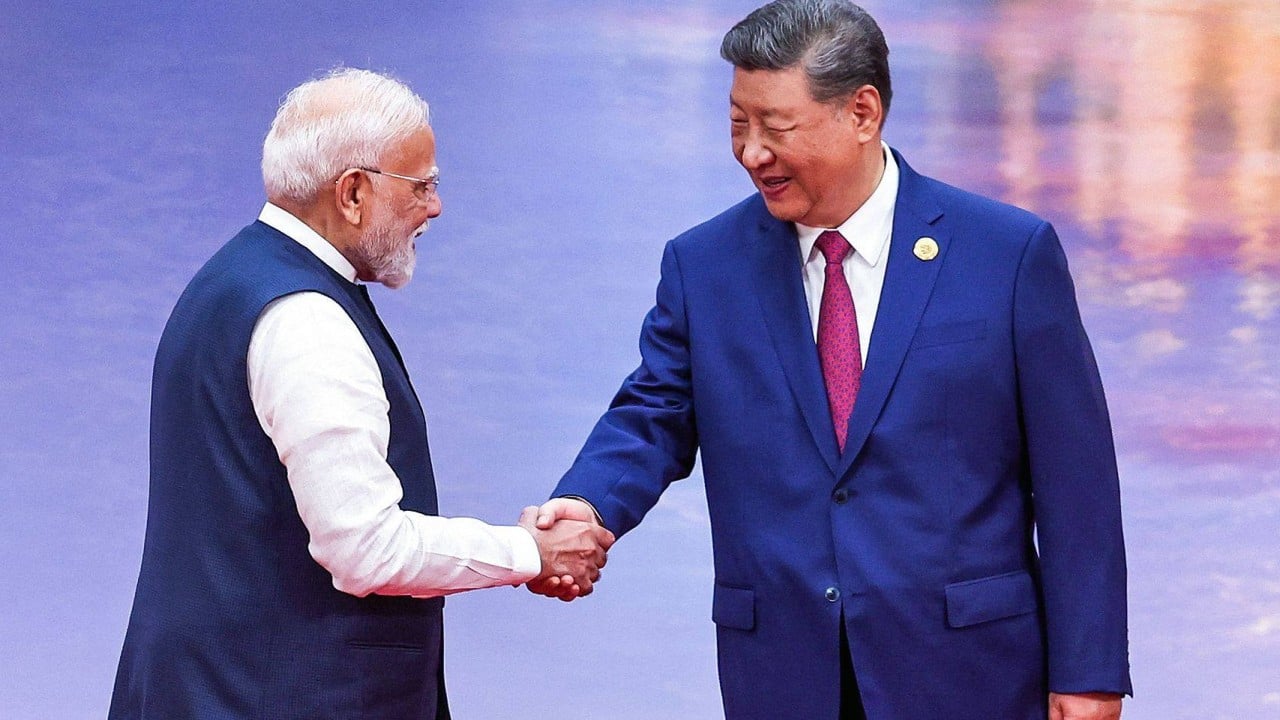
Indian government officials are quietly sending a clear message to major film studios, writers, and producers. The message is simple. Tone down the anti-China rhetoric. Drop the cinematic hostilities. As diplomatic ties between the two nuclear-armed neighbors begin to warm after years of icy standoff, the Indian government wants its soft power to mirror its hard diplomacy.
This isn't about sudden affection. It's about pragmatic statecraft.
The Soft Power Shift in Indian Cinema
Entertainment is never just entertainment in India. It reflects the national mood. When the deadly Galwan Valley clash occurred in 2020, the relationship between New Delhi and Beijing collapsed. The Indian government banned hundreds of Chinese apps, slowed down visa approvals, and heavily scrutinized investments. Bollywood responded by doing what it does best. It commercialized the conflict.
We saw a wave of projects focusing on national security, espionage, and cyber warfare where the bad guys spoke Mandarin or operated out of Beijing-backed proxy networks. It was easy money.
But diplomacy moves fast, and cinema takes years to produce. India and China have been actively working to stabilize their borders and restore normalcy to patrolling routes. The aggressive rhetoric that made sense to policymakers in 2021 is actively harming state interests now.
Government circles worry that highly charged, nationalistic films could inflame public sentiment at home just as diplomats are trying to de-escalate tensions. If the public is whipped into a frenzy by a theater screen, it limits the government's room to negotiate. Leaders don't want a rogue blockbuster sabotaging a delicate diplomatic breakthrough.
Why Border De-escalation Forces a Rewrite
To understand why this directive matters, you have to look at the actual progress on the ground. Diplomatic sources confirm that military commanders from both sides have made steady progress in disengagement zones along the Line of Actual Control. High-level meetings between foreign ministers have shifted from hostile standoffs to cautious cooperation.
Diplomatic Trajectory vs. Cinematic Themes
2020-2022: Border clashes -> Heavy anti-China movie themes, app bans.
2023-2024: Stagnant icy relations -> Production of big-budget spy thrillers.
2025-2026: Patrolling agreements & normalization -> Government asks for cinematic restraint.
When a country tries to mend economic and territorial fences, letting its most influential cultural export scream war cries isn't a good look. Government advisors have held informal briefings with key industry stakeholders. They aren't issuing official censorship decrees. That would cause a public outcry. Instead, they use quiet persuasion. They advise studios that scripts featuring explicit cross-border conflicts might face lengthy delays at the Central Board of Film Certification.
For a producer with millions of dollars on the line, a "delayed review" is terrifying. It's much safer to just change the villain to a generic, unnamed fictional terrorist group.
The Lost Chinese Box Office Millions
There is a massive financial undercurrent to this diplomatic shift that most mainstream commentary completely misses. Bollywood wants back into China.
We often forget how massive the Chinese market used to be for Indian films. A few years ago, movies like Aamir Khan's Dangal made over $190 million in China alone. Secret Superstar and Andhadhun brought in staggering revenues from Chinese theaters, sometimes eclipsing what they made in India.
The 2020 political freeze completely killed that pipeline. Indian films were effectively shut out of Chinese distribution. For top-tier Indian producers, losing access to 1.4 billion potential viewers hurt the bottom line.
By softening the cinematic stance and removing overt political friction from scripts, Indian production houses are playing the long game. They want Beijing to open the theatrical floodgates again. If rewriting a few script treatments keeps the door open for future distribution deals in Shanghai and Beijing, studio executives will take that deal every single time. It's just good business.
How Writers are Adapting to the New Reality
If you talk to scriptwriters in Mumbai right now, they'll tell you the atmosphere has completely shifted. The era of the explicit, easily identifiable foreign adversary is paused. Writers are forced to get creative.
Instead of naming specific countries or showing recognizable flags, scripts are relying on broader, more ambiguous threats. You'll see more stories about international syndicates, rogue AI, corporate espionage, and fictionalized states. It's a return to the classic Hollywood style of creating imaginary countries to avoid offending real-world trading partners.
This shift forces a change in storytelling quality. Relying on cheap, flag-waving nationalism to get a reaction from the audience is lazy writing. When you take away the easy political villain, you have to write better characters, more complex plots, and actual tension.
Some filmmakers are frustrated by what they see as soft censorship. They argue it limits creative freedom and ignores recent history. But the reality of big-budget filmmaking is that it relies on state cooperation. If you want to shoot on location, use military hardware, or get quick clearance from local authorities, you don't alienate the ministries controlling those permissions.
Navigating the New Indian Film Landscape
If you're an independent creator, investor, or studio executive navigating this transition, you need to adjust your strategy immediately to avoid costly production bottlenecks.
First, audit your active scripts for direct geopolitical references. If your project relies heavily on real-world cross-border conflicts involving neighboring states, start pivoting the narrative toward non-state actors or internal syndicates. This protects your production timeline from unexpected regulatory hurdles when it comes time for certification.
Second, re-evaluate your international distribution strategy. Don't write off the East Asian market for the back half of the decade. Ensure your content retains a universal appeal that can pass international censorship boards if trade relations fully normalize.
Focus on themes that travel well without relying on localized political grievances. Human stories, high-concept thrillers, and emotional dramas are safe, lucrative, and entirely immune to the shifting winds of international diplomacy.