The fever always begins with a deception. It mimics a common flu, a passing malaise, a bad night’s sleep. But in the remote forested stretches of the Bundibugyo district in western Uganda, the people who work the soil know that a simple headache can be a death warrant. When this specific ghost wakes up, it does not just take a life. It dissolves families. It turns the simple act of comforting a crying child into a fatal mistake.
For years, the world watched the global health infrastructure scramble to contain the Zaire strain of Ebola—the notorious killer that ravaged West Africa. Billions of dollars poured into research. Vaccines were engineered, stockpiled, and deployed. We celebrated those victories, believing the monster had been caged. But the virus is not a singular entity. It is a shape-shifter.
While the world looked left, the Bundibugyo strain waited on the right. Discovered in 2007, this variant is quieter, rarer, but no less terrifying. It carries a mortality rate that hovers around 30 to 40 percent. That is fewer deaths than its brutal Zaire cousin, yes, but it possesses a cruel stealth. Because it kills less rapidly, it travels further in the shadows. And until very recently, we had absolutely nothing to stop it.
Then, a announcement came from an unexpected corner of the globe. Not from the high-tech hubs of Geneva, Boston, or Atlanta, but from Russia. Scientists at the Vector State Research Center of Virology and Biotechnology in Novosibirsk—a sprawling complex in the frozen heart of Siberia—declared they had successfully developed and manufactured a vaccine specifically targeting the Bundibugyo strain.
The distance between the sweaty, tropical canopy of western Uganda and the sub-zero laboratory benches of Siberia is vast. Yet, the invisible thread of global health connects them completely.
The Weight of the Invisible
To understand why this matters, you have to look past the sterile press releases and look at a hypothetical map of a village outbreak. Let us call a young woman Kiko.
Kiko lives in a place where the nearest paved road is a day’s walk away. Her brother returns from the forest with a burning skin temperature and bloodshot eyes. In her worldview, and indeed in human nature, you do not isolate a sick sibling. You hold them. You wash their brow. When he passes away, custom dictates that the family bathes the body before burial.
This is where the Bundibugyo strain wins. It uses our finest human instincts—compassion, love, duty—against us. Every droplet of fluid becomes a weapon. Within a week, Kiko is nursing the same fever. Within two weeks, the local clinic, staffed by a single nurse with zero personal protective equipment, becomes a hot zone.
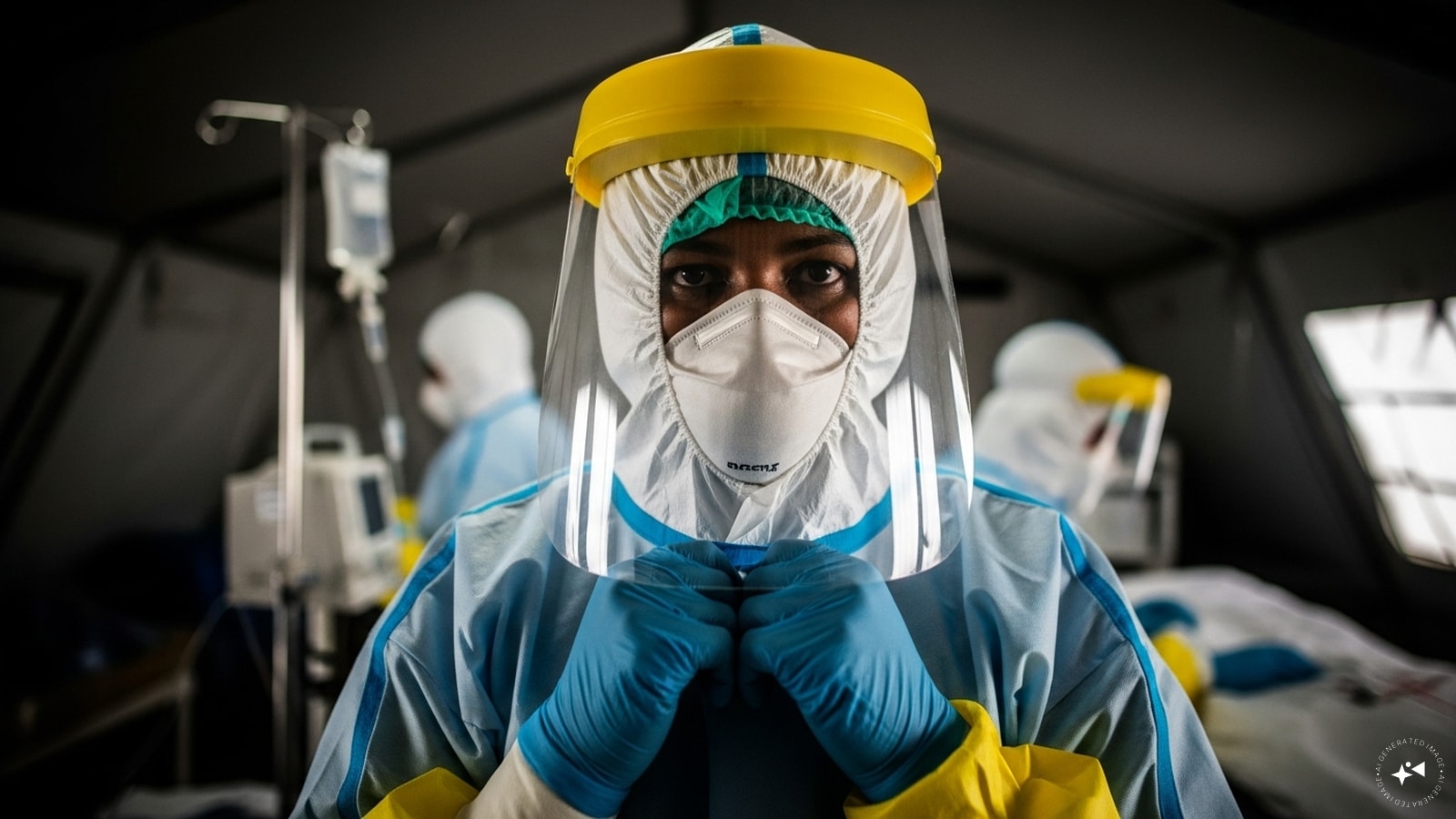
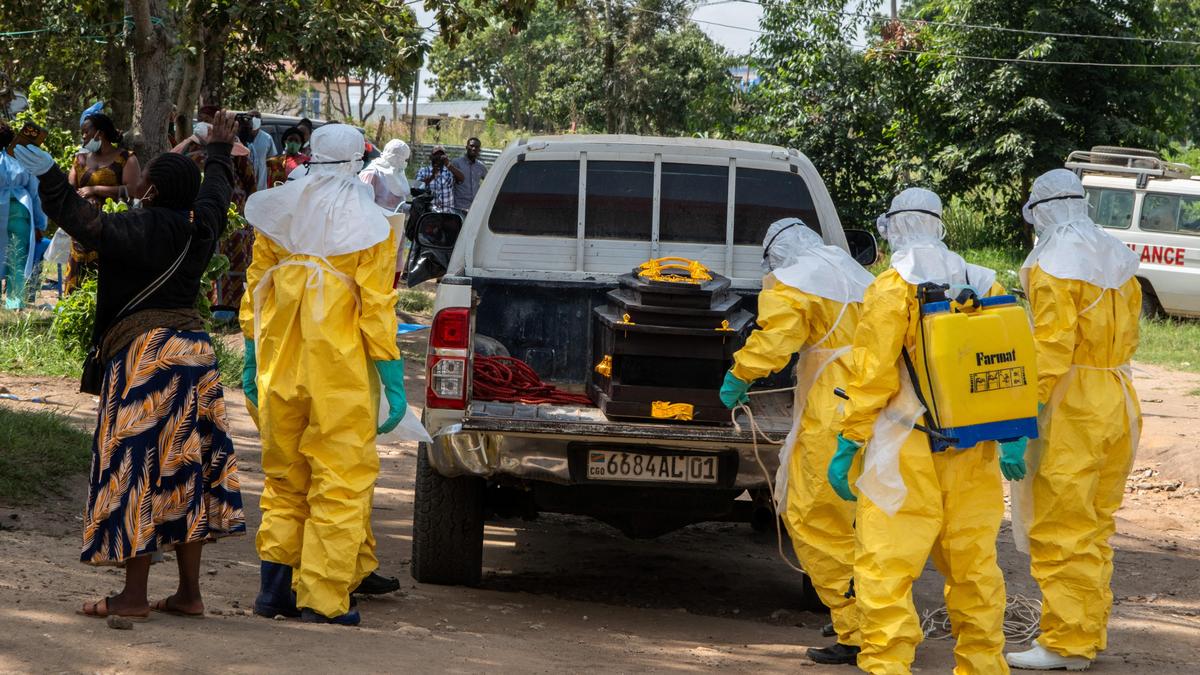
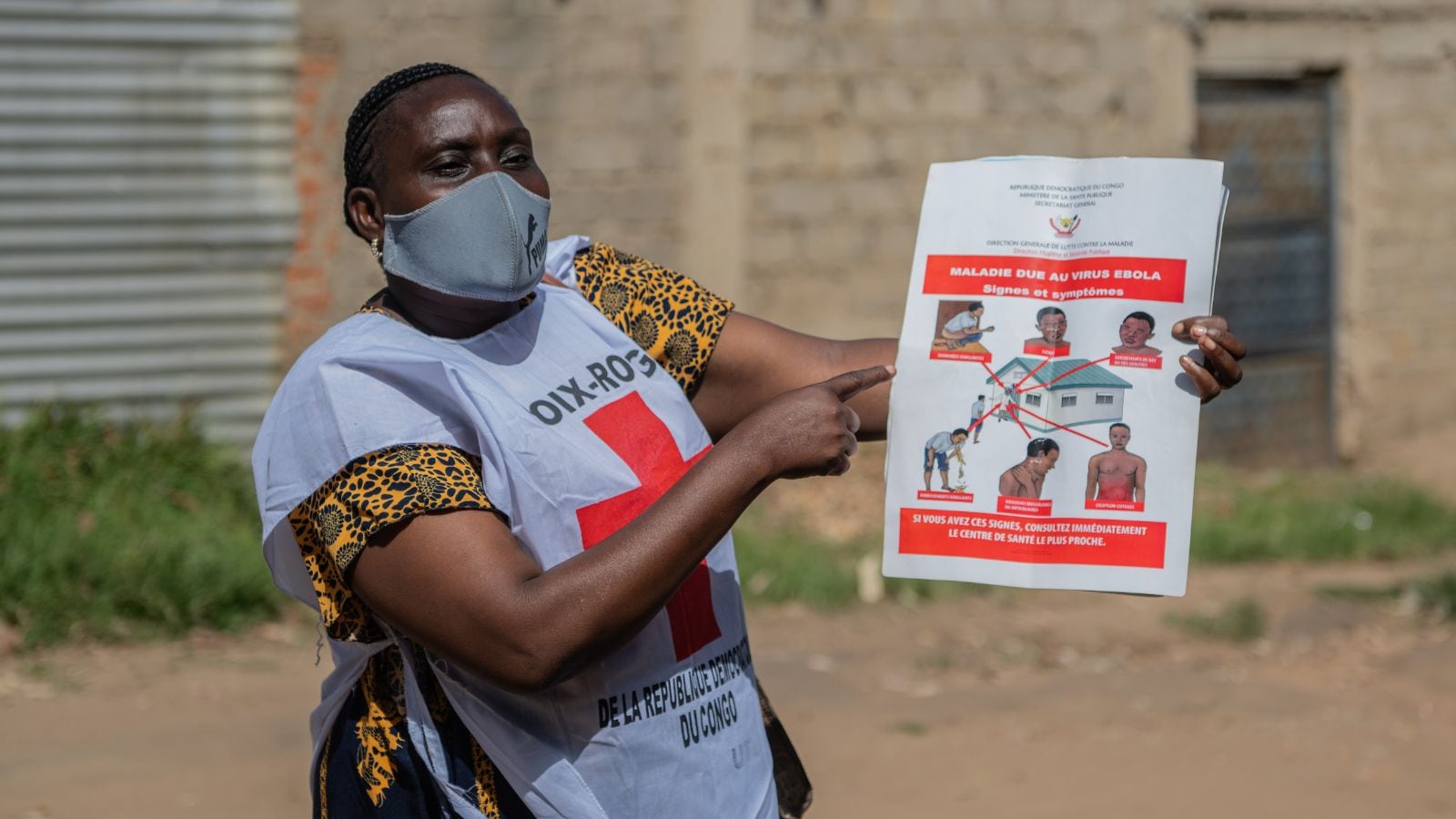
When international aid agencies arrive, they bring isolation tents and plastic suits. To the villagers, these look like astronauts descending to steal their dying relatives. Trust evaporates. Fear takes over. People flee into the jungle, carrying the spark of the next outbreak with them.
Historically, when an outbreak of the Bundibugyo strain flared up, medical teams could offer only what they call supportive care. Intravenous fluids. Oxygen. Paracetamol. Essentially, doctors were just holding a mirror up to the patient's immune system, hoping it could run fast enough to outpace the virus. They had no shield. No preemptive strike.
The Zaire vaccine, which saved countless lives in the Democratic Republic of Congo, is useless here. The genetic coding of the Bundibugyo strain is different enough that the old key cannot turn the new lock. The scientific community knew this gaps existed, but the economics of vaccine development are cold. Rare strains rarely attract big pharmaceutical budgets.
The Siberian Answer
That is where the Russian pharmaceutical strategy pivoted. The Vector Institute in Novosibirsk carries a complicated history. During the Cold War, it was a massive, secretive node in the Soviet biological weapons program. Today, it houses one of the only two official repositories of the smallpox virus on Earth. The other is in the United States.
The scientists working inside those high-security zones spend their lives thinking about the worst-case scenarios. They understand containment. They also understand the terrifying math of mutation.
The Russian health ministry revealed that this new vaccine was not just a theoretical concept scribbled on a whiteboard. It had moved through the grueling gauntlet of development and stood ready for implementation. According to official statements, the platform used to create the vaccine relies on a modified viral vector—essentially a harmless virus stripped of its own reproductive engine, repurposed to carry the genetic blueprint of the Bundibugyo surface protein into human cells.
Think of it as a wanted poster. The vaccine introduces a harmless snapshot of the criminal to the body’s immune system. The body studies the poster, builds its defenses, and waits. If the real Bundibugyo virus ever crosses the threshold, the immune system recognizes it instantly and destroys it before it can hijack a single cell.
But scientific breakthrough is only half the battle. The true test of any vaccine is logistical.
Siberia can easily keep a vaccine frozen at seventy degrees below zero. Uganda cannot. The real challenge of deploying this new tool lies in the cold chain—the uninterrupted series of refrigerated storage rooms, trucks, and cool boxes required to keep the delicate genetic material viable from the factory line to the remote African hillside.
If the cold chain breaks for even an hour under the equatorial sun, the vaccine becomes nothing more than expensive water.
The Geopolitics of a Fever
There is an underlying tension to this development that cannot be ignored. Global health has always been a mirror of global politics.
For decades, Western institutions dominated the narrative of humanitarian medical intervention. When an epidemic hit, the response was largely driven by Anglo-American and European partnerships. By stepping into the gaps of the Ebola landscape, Russia is doing more than contributing to medical science. It is projecting soft power.
Offering a shield against a deadly pathogen to African nations builds a specific kind of currency. It is a currency paid in gratitude, influence, and strategic partnerships. When a government can provide the literal difference between life and death for your citizens, alliances shift.
Yet, for the person shivering on a dirt floor in Bundibugyo, the flag on the vaccine vial means absolutely nothing.
They do not care about the shifting dynamics between Washington, Moscow, and Beijing. They care about whether their child will survive the night. They care about whether they can bury their dead with dignity without sealing their own doom.
The validation of this vaccine will require immense transparency. The global scientific community, understandably cautious, will demand rigorous, peer-reviewed data from clinical trials. Trust in medicine is fragile, easily shattered by secrecy or rushed announcements. The Vector Institute must open its books, share its methodology, and allow independent eyes to verify the safety and efficacy of their creation.
The Next Shadow
We live in an era of spillover. As human populations expand, cutting deeper into pristine forests, clearing land for agriculture, and hunting wild game, our contact with ancient, hidden reservoirs of disease accelerates. The bats that carry Ebola do not recognize international borders or political regimes. They simply roost where they always have, occasionally dropping a virus into the human biosphere.
The Bundibugyo vaccine is a crucial piece of armor, but it is not the final victory. Nature is infinitely creative. Somewhere in a cave, or a dense thicket along a muddy river, another strain is likely mutating right now. It might be quieter than Bundibugyo. It might be faster than Zaire.
The lesson of the Siberian lab's breakthrough is not that we have won the war, but that we are finally learning how to prepare for the battles before they begin. It proves that the obscure corners of virology cannot be ignored just because they do not currently threaten the affluent capitals of the West.
The true test of this Siberian creation will not happen in a pristine lab in Novosibirsk. It will happen when the next mysterious fever breaks out in a village along the Congolese border. It will happen when a local health worker, armed with a cooler full of Russian vials, walks into a community gripped by panic and offers a choice.
In that moment, the long journey from the snows of Asia to the red dust of Africa will complete its arc. The success will not be measured in stock prices or political points, but in the quiet, steady breathing of a child who did not become a statistic.