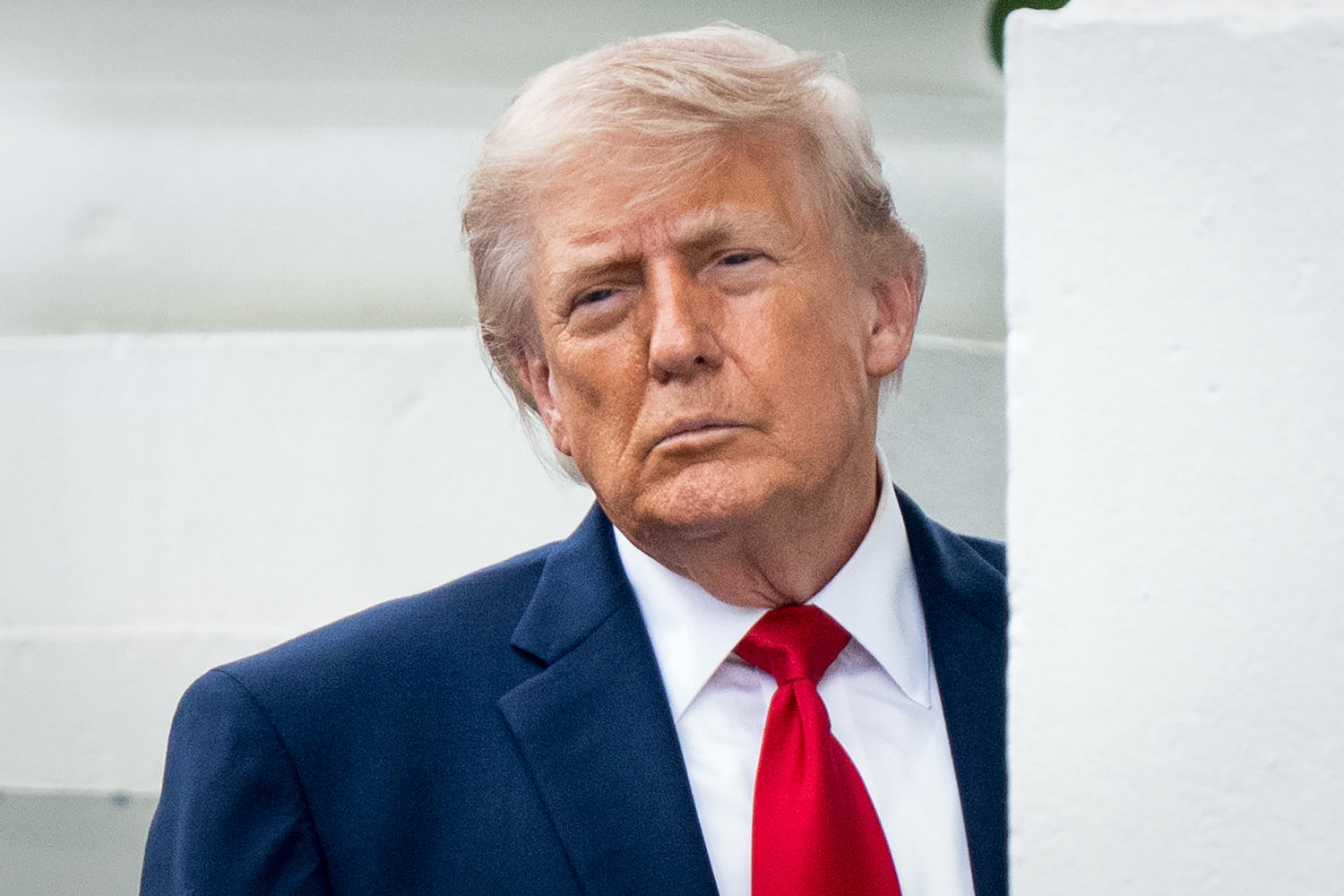
The Republican-led House just did something no one expected. By a narrow 215-208 margin, lawmakers voted to halt American military operations in Iran, dealing a massive symbolic blow to President Donald Trump. It is the first time since the war began over three months ago that the House has successfully triggered the War Powers Act against this administration.
This is not just another partisan squabble in Washington. It is a sign that the political costs of a widening Middle East war are starting to terrify vulnerable Republicans. With fuel prices spiking across the country and the conflict dragging past legislative deadlines, a small but decisive group of GOP lawmakers decided they could no longer give the White House a blank check.
The Cracks in the Republican Wall
House Speaker Mike Johnson tried everything to stop this vote from happening. Two weeks ago, when it became clear that a War Powers Resolution was on the verge of passing, Johnson abruptly shut down floor action and sent lawmakers home early for a May recess. The goal was simple: buy time, twist arms, and pressure wayward Republicans back into the fold.
It didn't work. The extended break failed to kill the rebellion. When the House reconvened, four Republicans broke ranks to join a unified Democratic caucus:
- Thomas Massie of Kentucky
- Brian Fitzpatrick of Pennsylvania
- Warren Davidson of Ohio
- Tom Barrett of Michigan
Fitzpatrick didn't mince words after the vote, framing his decision as a matter of basic constitutional law. Under the 1973 War Powers Act, a president must secure congressional authorization within 60 days of initiating hostilities. If they don't, they get a 30-day window to pull troops out. The administration has blown past both deadlines since the war kicked off on February 28.
"We're past the 60 days, so you have two choices," Fitzpatrick told reporters. "You either follow the law or you change the law. You can't violate the law. That's not an option."
Shifting Rationales and a War with No End in Sight
The administration's legal defense for skipping Congress has been creative, to say the least. White House officials argue that because a fragile ceasefire was declared on April 8, active hostilities technically ceased, resetting the statutory clock.
Capitol Hill isn't buying it. That ceasefire has been repeatedly shattered by ongoing strikes in the Persian Gulf, including a recent drone exchange just hours before the House vote.
When the conflict started with coordinated U.S. and Israeli strikes, the initial justification centered on heading off an "imminent danger" to American personnel. Later, the narrative shifted toward a broader effort to neutralize Iran's ballistic missile infrastructure. Now, Secretary of State Marco Rubio is warning that any congressional interference will ruin ongoing peace negotiations by signaling to Tehran that the president's hands are tied.
This shifting rhetoric has fueled deep skepticism, even among lawmakers who generally support a hawkish foreign policy. The war has already cost American taxpayers over $100 billion, yet there is no clear definition of what victory actually looks like.
What Happens Next on Capitol Hill
Let's look at the raw mechanics of what this vote actually achieves. On a practical level, it won't pull a single American sailor or pilot out of the region tomorrow.
The resolution now moves to the Senate. While a handful of Senate Republicans broke ranks last month to advance a similar procedural measure, a final vote hasn't been scheduled. Even if the Senate somehow passes it, the margin in both chambers is well short of the two-thirds majority required to override a guaranteed presidential veto.
But looking strictly at the veto math misses the real story. The true value of this vote lies in the shifting political landscape ahead of the upcoming midterm elections.
Voters are feeling the economic fallout of this conflict every time they fill up their gas tanks. By forcing a roll-call vote, Democrats have put every single member of Congress on the record. For the four Republicans who defected, it is a calculation that loyalty to the party line is no longer worth the risk of voter anger at home. For the rest of the GOP conference, it is a defensive maneuver that is getting harder to sustain as the conflict enters its fourth month without a resolution.
If you want to track where this goes next, keep your eyes on the Senate calendar. The War Powers Act requires the upper chamber to take up the House resolution promptly. Watch whether Senate Majority Leader Mitch McConnell tries to bury the measure in committee or if more vulnerable Senate Republicans decide to follow the House's lead to protect their own seats this November.


