Donald Trump believes he can break the Iranian stranglehold on the global economy without Xi Jinping’s permission. As he prepares for a high-stakes summit in Beijing this week, the President has publicly dismissed the notion that Chinese mediation is the only path to ending the 2026 Iran War. "We don't need any help," Trump told reporters, insisting that the United States will secure the Strait of Hormuz "one way or the other." Yet, while Washington projects an image of unilateral strength, the reality on the water suggests a far more complex and dangerous transformation of maritime power is already underway.
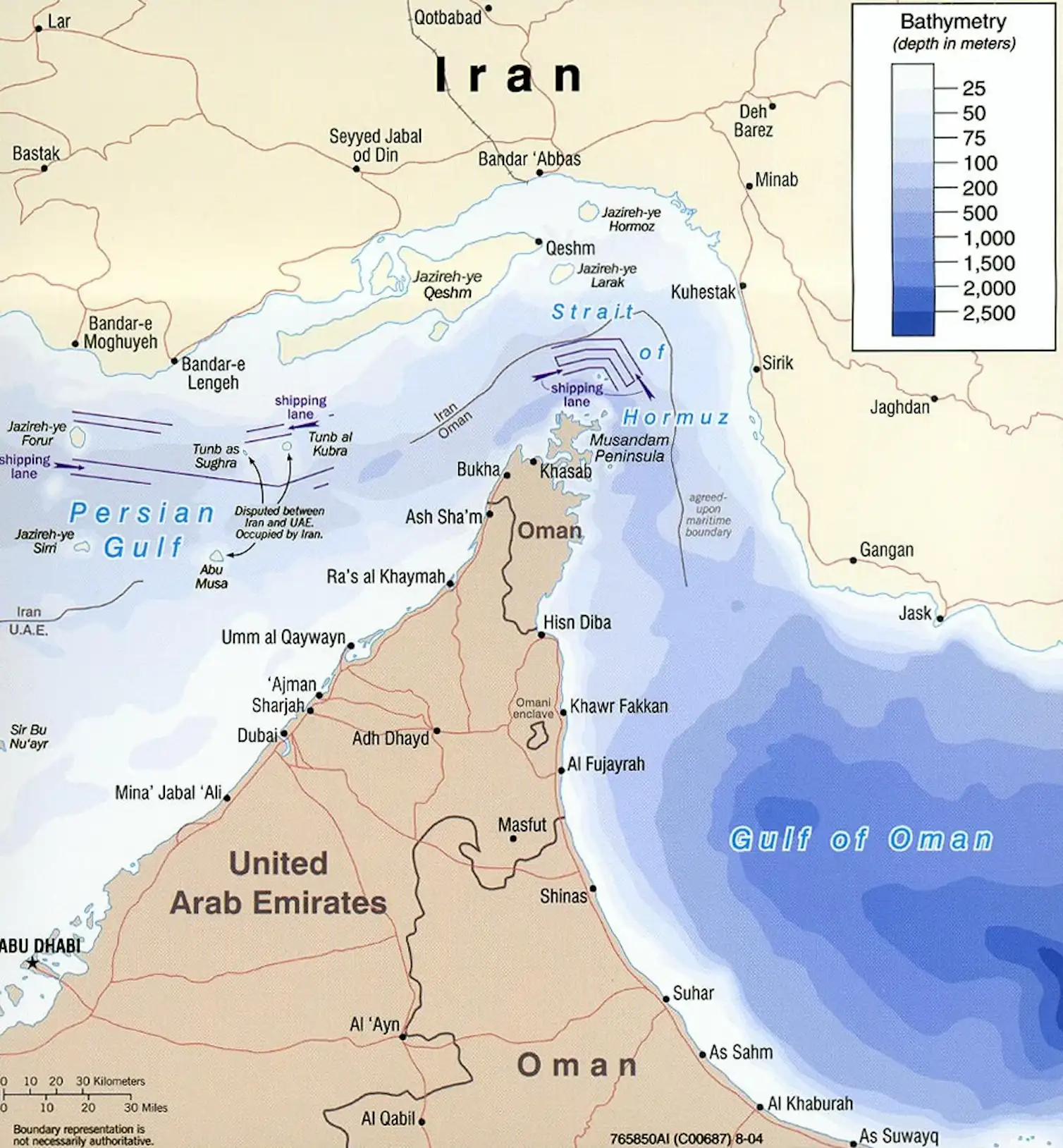
The conflict, which began with the targeted strikes of Operation Epic Fury in February, has evolved from a kinetic exchange of missiles into a sophisticated economic siege. Tehran is no longer just threatening to close the Strait; it is effectively nationalizing it. By redefining the waterway as a "vast operational area" stretching hundreds of miles from Jask to Siri Island, the Islamic Revolutionary Guard Corps (IRGC) is attempting to replace international maritime law with a "pay-to-play" system that could permanently alter global trade.
The Sovereign Toll Road
While the White House remains focused on a total victory that includes the dismantling of Iran’s nuclear program, Tehran has been busy signing bilateral transit deals with regional neighbors. Iraq and Pakistan have already struck agreements to move oil and liquefied natural gas (LNG) through the Strait under Iranian "protection." These aren't just temporary fixes for a war zone; they are the blueprints for a new regional order.
These deals allow Iran to act as the ultimate arbiter of who passes and at what price. By securing the cooperation of major regional players, Tehran is incrementally legitimizing its claim to "sovereignty" over the waterway. If these bilateral arrangements become the norm, the U.S. Navy’s traditional role as the guarantor of free navigation will be rendered obsolete. The "Hormuz Toll" isn't a hypothetical threat; it’s a developing market reality that complicates any U.S.-led effort to maintain a total blockade.
Trump’s Beijing Bluff
The President’s assertion that he does not need China’s help is a classic tactical maneuver, but the data tells a grimmer story. U.S. gasoline prices have surged as a direct result of the maritime disruption, fueling an inflation spike of 3.8% that is hitting American households just months before the midterm elections. The Pentagon has already clocked the war's cost at a staggering $29 billion, a figure that climbs by billions every few weeks.
Washington claims that senior U.S. and Chinese officials reached a consensus last month that "no country should be able to charge tolls" in the region. However, Beijing has remained conspicuously silent on the specifics. China continues to be the primary buyer of Iranian oil, often using "dark fleet" tankers that evade U.S. detection through ship-to-ship transfers and disabled transponders. For Xi Jinping, a controlled but open Strait of Hormuz—managed by an Iranian partner—offers a strategic advantage that far outweighs the benefits of a total American victory.
Trump’s gamble is that he can pressure Xi into using China's economic leverage to force Tehran into a "Grand Bargain." The U.S. demands are absolute:
- An immediate end to the Iranian nuclear program.
- The total lifting of the IRGC’s "chokehold" on the Strait.
- A permanent cessation of Iranian-backed activities in Lebanon and Iraq.
Iran’s counter-demands are equally steep, including massive compensation for war damages and the end of the U.S. naval blockade. By calling these positions "garbage," Trump is betting that the threat of further U.S. strikes on Iran’s civilian energy infrastructure will eventually break the regime’s resolve.
The Failure of the Blockade
On paper, the U.S. Navy maintains a formidable presence. The aircraft carrier Abraham Lincoln is currently enforcing a blockade that has redirected or disabled dozens of commercial vessels. But the IRGC has adapted. Using a "vast operational crescent" and a fleet of 10,000 first-person view (FPV) drones, the Iranian military is playing a high-stakes game of hide-and-seek.
The "dark fleet" activity is not a minor nuisance; it is a systemic bypass. Maritime tracking data shows that while official traffic has slowed to a trickle—roughly 5% of pre-war levels—clandestine shipments are actually increasing. Qatar has even resumed LNG transits for the first time since February, signaling that even U.S. allies are beginning to find ways to navigate the new Iranian reality.
The Political Clock
The most significant factor in this conflict isn't found in the Persian Gulf, but in the American Heartland. A recent Ipsos survey indicates that two-thirds of Americans believe the administration has failed to clearly explain the war's objectives. With voters feeling the pinch at the pump, the "Project Freedom" initiative—intended to escort commercial vessels through the Strait—is as much a political necessity as it is a military one.
Trump’s proposed suspension of the federal gasoline tax is a temporary bandage on a deep wound. If the Beijing summit fails to produce a breakthrough, the President will be forced to choose between a massive military escalation that could spark a global depression or accepting a "sovereign" Hormuz that ends the era of American maritime hegemony.
Tehran knows this. By tightening its grip and offering "safe passage" to those willing to pay, the IRGC is betting that the American public will lose its appetite for a $30 billion war long before the Iranian regime collapses. The battlefield has shifted from the decks of aircraft carriers to the ledger books of global oil traders. If the U.S. cannot stop the bilateral deals from proliferating, it won't matter how many carriers are in the Arabian Sea. The Strait will have already been lost.
The coming days in Beijing will determine if the "one way or the other" Trump promised is a path to peace or a descent into a much wider, more permanent conflict. The world is watching the price of oil, but they should be watching the "dark fleet" tankers slipping through the Jask-Siri crescent. That is where the war is actually being won.
Finalize the logistics of the Beijing summit. If the "Board of Trade" and the Iranian concessions do not materialize by Friday, expect the White House to pivot toward more aggressive "Project Freedom" escorts, effectively daring the IRGC to fire the first shot of a new, even deadlier phase.