The fragile peace in the Strait of Hormuz is currently dissolving into a series of calculated maritime skirmishes that threaten to upend global energy markets. While Washington waits for a formal response from Tehran regarding recent naval clashes, the reality on the water suggests that the time for diplomatic letters has already passed. This isn't just a breakdown in communication. It is a deliberate stress test of the global oil supply chain, executed at a moment when Western strategic reserves are at their thinnest levels in decades.
The recent kinetic exchanges between Iranian fast-attack craft and US-flagged tankers represent a shift from "shadow war" tactics to overt confrontation. For months, a quiet understanding—a de facto ceasefire—allowed record-breaking Iranian crude exports to reach Chinese markets while the US maintained a loosened sanctions enforcement regime. That era of convenience is dead. The immediate trigger was a series of seizures and counter-seizures, but the underlying cause is a fundamental recalculation of risk in Tehran.
The Strategic Logic of Escalation
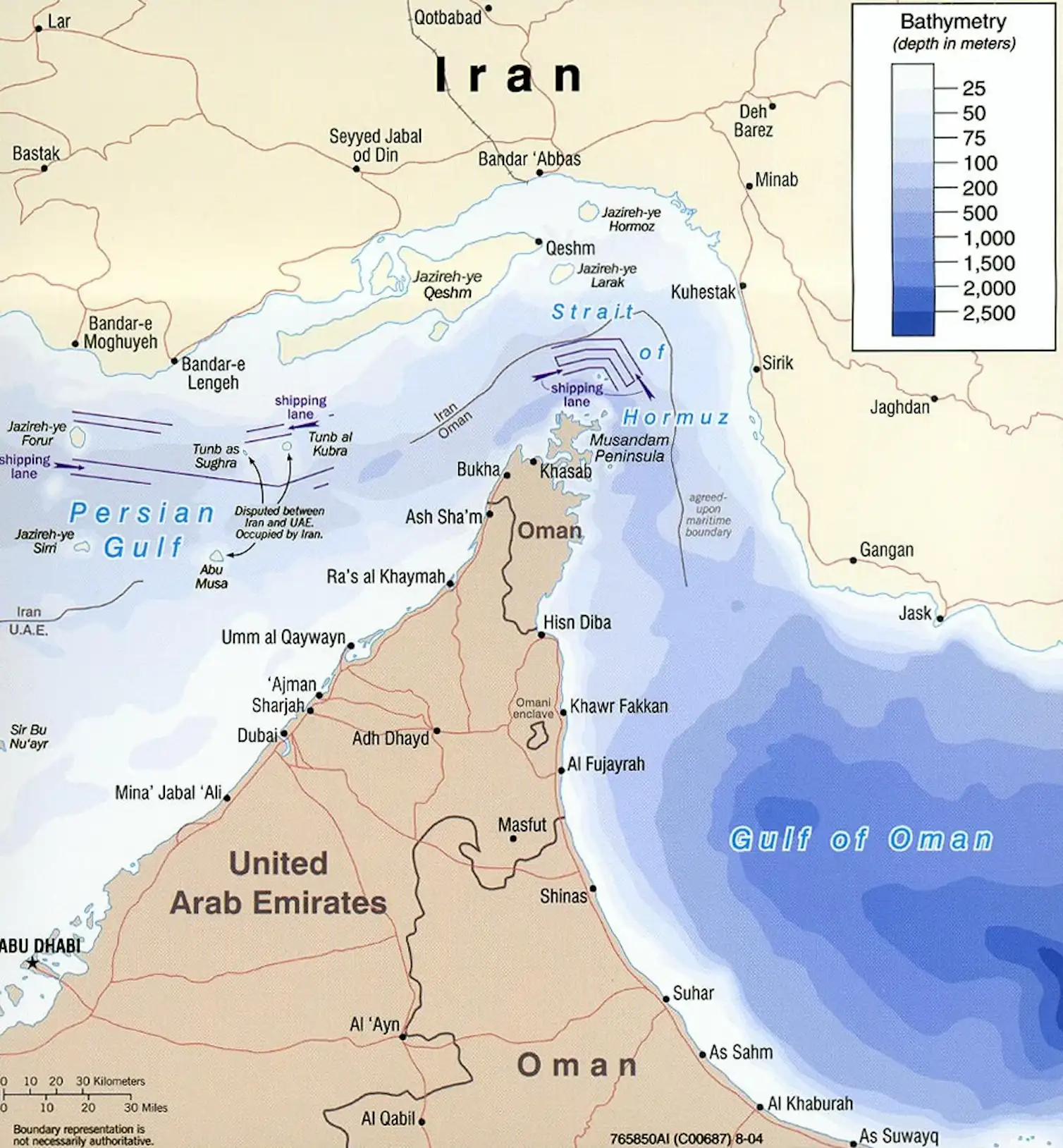
The Iranian leadership has realized that a quiet Gulf serves Western interests more than their own. By injecting volatility into the Strait, through which 21 million barrels of oil pass daily, Iran regains its most potent bargaining chip: the "Hormuz Premium."
This premium is the hidden cost added to every barrel of oil when the risk of transit increases. When a drone strikes a tanker or a boarding party climbs a rail, insurance premiums for maritime shipping skyrocket. These costs do not stay at sea. They filter down to the pump in Ohio and the factory floor in Germany. Tehran isn't looking for a total war it cannot win; it is looking for a price spike that the West cannot afford.
The US Navy’s Fifth Fleet finds itself in an impossible position. Maintaining a permanent presence in every sector of the Gulf is a logistical nightmare that drains resources away from the Indo-Pacific. The Pentagon knows this. Tehran knows this. Every time a US destroyer is forced to intervene in a "harassment" incident, the cost-to-benefit ratio shifts in Iran’s favor. It costs thousands of dollars to launch a swarm of small, disposable motorboats; it costs millions to keep a Carrier Strike Group on high alert.
The Myth of the Paper Ceasefire
Publicly, the State Department maintains that a ceasefire or "understanding" is the path toward regional stability. Privately, the intelligence suggests that the Iranian Revolutionary Guard Corps (IRGC) has been given a longer leash to disrupt shipping as a response to domestic economic pressures.
The ceasefire was never a signed document. It was a series of mirrors and smoke. The US looked the other way on certain oil sales to keep global prices low during an inflationary cycle. In return, Iran was supposed to keep its proxies in check and its naval activity professional. That bargain was built on the assumption that both sides feared a return to the "Tanker War" of the 1980s.
However, the modern IRGC is not the force it was forty years ago. They have spent two decades perfecting asymmetric naval warfare. They don't need to sink a carrier. They only need to make the insurance companies declare the Strait a "war risk zone." If the Lloyd’s Market Association moves the needle on risk ratings, the economic damage to the West exceeds anything a direct missile strike could achieve.
Energy Markets and the Illusion of Safety
Wall Street traders often treat the Strait of Hormuz as a binary risk: it is either open or it is closed. This is a dangerous oversimplification. The real danger is the "gray zone" of semi-closure—a state where the Strait is technically open but the cost of using it becomes prohibitive for all but the most state-backed entities.
We are currently in that gray zone.
China, the primary buyer of Iranian oil, remains the wild card. Beijing has stayed remarkably silent during the latest round of clashes. This silence serves them. As long as the US is pinned down in the Gulf, its ability to project power elsewhere is diminished. Furthermore, China’s "dark fleet" of tankers—vessels with obscured ownership and disabled transponders—continues to move Iranian oil regardless of the security environment. These ships operate outside the traditional insurance markets, making them immune to the financial pressures that cripple Western shipping.
The Technical Reality of Naval Defense
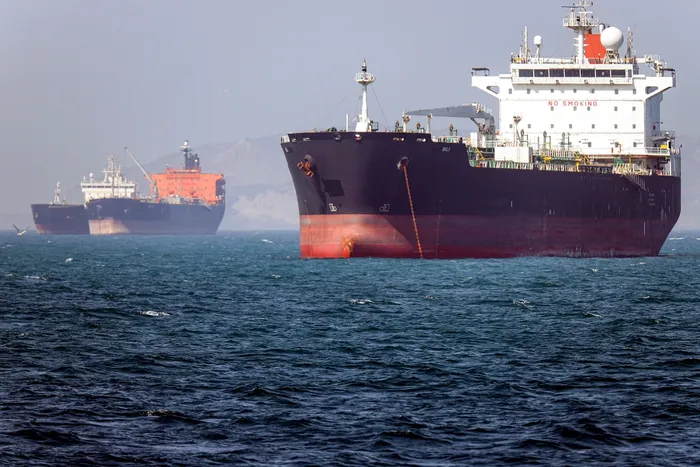
Defending a tanker against a swarm attack is a geometry problem that favors the aggressor. A large crude carrier is a slow, lumbering target with a massive radar cross-section. It cannot maneuver. It cannot hide.
When the US Navy deploys littoral combat ships or destroyers to escort these vessels, they are forced to operate in confined waters where their technological advantages are neutralized. In the narrowest parts of the Strait, the distance between the shipping lane and the Iranian coast is less than the range of a standard shore-based anti-ship missile.
The US is currently relying on a "multilateral" approach, trying to get allies to contribute hulls to a maritime security task force. But European capitals are wary. They remember the fallout of previous "maximum pressure" campaigns and are hesitant to be drawn into a conflict that could end with their own energy supplies being cut off at the source.
The Intelligence Gap in Tehran
One of the most significant risks in the current standoff is the lack of a direct line of communication. When the US "awaits an answer," it is often waiting for a response from a government that is not a monolith. The Iranian Foreign Ministry may want to preserve the ceasefire to facilitate trade, but the IRGC Navy operates with a significant degree of autonomy.
Recent intelligence suggests that the IRGC leadership believes the US is too distracted by Eastern Europe and the South China Sea to respond forcefully to "localized" incidents in the Gulf. This is a classic miscalculation. The US political system, regardless of who is in the power, cannot tolerate sustained high energy prices during an election year or a period of economic fragility.
If Iran continues to squeeze the Strait, the US will eventually be forced to move from defensive escorts to "proactive deterrence." This is the polite military term for striking the bases and fast-boats before they leave the harbor. Once that threshold is crossed, the ceasefire isn't just strained—it's extinct.
The Economic Consequences of a Prolonged Standoff
What happens if the answer from Tehran is "no" or, more likely, continued silence?
- Spot Prices: Expect a $10 to $15 volatility swing in Brent crude prices based purely on "geopolitical risk" news cycles.
- Freight Rates: Shipping companies will begin to divert traffic to more expensive routes or demand massive premiums for Gulf pickups.
- Strategic Reserves: The US may be forced to tap into the Strategic Petroleum Reserve (SPR) again. This is a finite resource that is already at historical lows, leaving the country vulnerable to a genuine supply shock later.
The idea that the world has "moved on" from Middle Eastern oil is a fantasy. While renewables and American shale have changed the landscape, the global economy still runs on the marginal barrel. The marginal barrel comes through Hormuz.
The Failure of Regional Containment
The Biden administration’s hope was that regional integration—getting Saudi Arabia and Iran to talk—would provide a floor for stability. That strategy assumed that regional players shared the same definition of "stability." They do not.
For Iran, stability is the removal of the US military presence from the region. For the Gulf states, stability is a US security guarantee that looks increasingly shaky. This divergence creates a vacuum that the IRGC is more than happy to fill with fast-boats and limpet mines.
The current clashes are not an isolated incident. They are the opening notes of a new phase of global energy competition where the rules of the road are being rewritten in real-time. The West is waiting for a diplomatic answer to a military and economic challenge.
History shows that in the Strait of Hormuz, answers don't come in the form of letters. They come in the form of action. The longer the US waits for a verbal confirmation of a ceasefire that clearly no longer exists, the more the initiative shifts to those willing to pull the trigger.
The ceasefire hasn't just been strained. It has been exposed as an atmospheric illusion that disappears the moment the sun sets on the Persian Gulf.