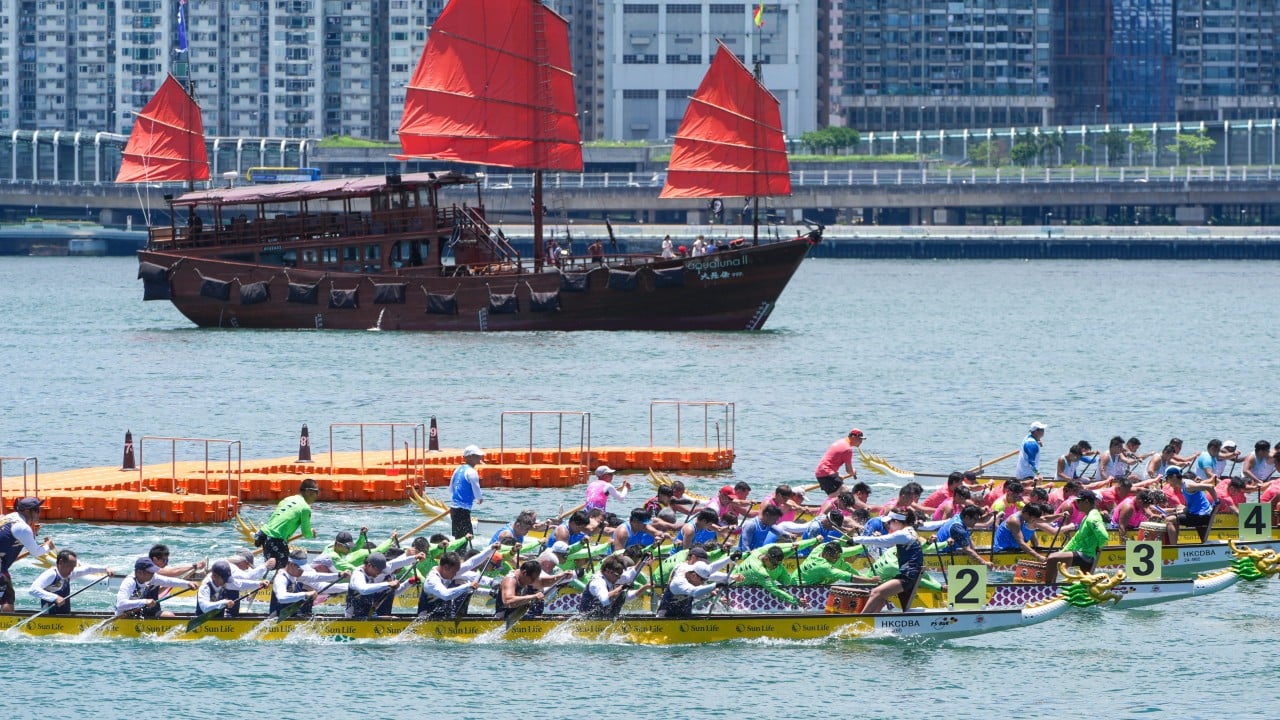
Hong Kong is supercharging its legendary maritime heritage to combat a sluggish post-pandemic tourism recovery. By transforming the traditional two-day Sun Life Hong Kong International Dragon Boat Races into an expanded 13-day cultural blitz running from June 19 to July 1, the Hong Kong Tourism Board aims to inject aggressive commercial energy into an ancient custom. The golden jubilee edition marks exactly 50 years since the city modernized dragon boat racing as an international sport in 1976. However, beneath the festive veneer of beer gardens, virtual reality booths, and a record-shattering 220 participating teams lies a high-stakes economic calculation.
The primary objective is clear. Local authorities need high-spending international visitors to replace fading retail revenues, and they are leveraging the city's unique cultural assets to do it.
The Evolution from Fishermen Ritual to Mega Event
Modern dragon boat racing did not start in a boardroom; it began in the tight-knit fishing communities of Shau Kei Wan and Aberdeen. For centuries, the Tuen Ng Festival was an intimate affair deeply rooted in local superstition and community cohesion. Local guilds raced wooden canoes to appease water deities, ward off pestilence, and honor the ancient poet Qu Yuan.
That local focus shifted dramatically in 1976. The Hong Kong Tourism Board’s predecessor recognized the latent entertainment value of these fierce, drum-beating spectacles and invited nine local teams alongside a solitary international crew from Japan to compete in off-beach races.
This single event established the blueprint for modern, codified sport paddled by corporate teams and international clubs worldwide.
1976 International Debut: 10 Total Teams (9 Local, 1 International)
2026 Golden Jubilee Edition: 220+ Teams (4,500+ Athletes from 16 Regions)
The sheer scale of the golden jubilee event highlights how far the sport has come. More than 4,500 athletes from 16 countries and regions, including a debut appearance from Indonesia, will descend upon the Tsim Sha Tsui Promenade. Yet, the sheer volume of athletes does not automatically guarantee economic success. The true test is whether this massive sporting footprint can translate into sustained retail and hospitality revenue.
The Strategy Behind the Thirteen Day Expansion
Stretching a weekend sporting regatta into nearly two weeks of waterfront activations is an intentional attempt to solve a modern tourism crisis. Short-haul regional visitors increasingly opt for day trips rather than overnight hotel stays. By scattering cultural heritage workshops, rice-dumpling making demonstrations, and interactive net-weaving exhibitions across a 13-day calendar, organizers are trying to build an ecosystem that encourages prolonged stays.
The math behind this expansion relies heavily on secondary spending dynamics.
- Fringe Entertainment: Introducing live music acts and the Urban Council Centenary Garden beer festival keeps spectators grounded in the Tsim Sha Tsui commercial district long after the final race horn blows.
- The Neighborhood Multiplier: The viewing zones stretch strategically from the Kowloon Shangri-La down to the Bruce Lee Statue on the Avenue of Stars, channeling heavy foot traffic directly past luxury retail hubs and high-end dining establishments.
- The Experiential Hook: Virtual reality paddling setups allow non-athletic tourists to experience the physical intensity of the sport, converting passive observation into active engagement.
This approach acknowledges that modern travelers demand experiential depth. They no longer want to just watch a race from a distance; they want to consume the history, taste the traditional zongzi dumplings, and participate in the subculture.
Regional Friction and the Limits of Cultural Commercialization
While Hong Kong celebrates its 50-year legacy as the birthplace of international dragon boat racing, neighboring jurisdictions are not standing still. Macau simultaneously hosts its own massive Macau International Dragon Boat Races at the Nam Van Lake Nautical Centre. This competing attraction features identical traditional roots, heavy corporate backing, and aggressive regional marketing campaigns.
+------------------+-----------------------------+-------------------------------+
| Feature          | Hong Kong International     | Macau International           |
+------------------+-----------------------------+-------------------------------+
| Duration         | 13 Days (June 19 - July 1)  | 3 Days (Varies by Lunar Date) |
| Primary Venue    | Victoria Harbour (TST)      | Nam Van Lake Nautical Centre  |
| Target Audience  | Global Experiential Tourists| Regional & Gaming Tourists    |
| Core Strength    | Global Sporting Precedent   | Integrated Resort Synergies   |
+------------------+-----------------------------+-------------------------------+
This regional competition exposes a vulnerability in Hong Kong’s strategy. Macau can seamlessly bundle its dragon boat races with integrated resort experiences, luxury casino entertainment, and aggressive hotel discounts. Hong Kong, conversely, must rely purely on the cultural authenticity and scale of its open-harbor event.
There is also a delicate internal tension to navigate. Purists argue that stretching a sacred, historically specific lunar festival into a multi-week commercial carnival risks diluting its spiritual essence. When traditional rituals like the Tai O Dragon Boat Water Parade—where temple deities are ferried through stilt-house canals to bless the community—are repackaged for international consumption, the line between cultural preservation and theme-park entertainment becomes dangerously thin.
Evaluating the Economic Return on Heritage
The ultimate success of the golden jubilee celebration will not be measured by the number of paddles in the water or the volume of craft beer consumed on the promenade. It will be validated by hotel occupancy rates, average visitor spend, and retail recovery metrics in Kowloon.
Upgrading the event to an official International Dragon Boat Festival shows that the city is moving away from generic tourism slogans. Instead, it is focusing on monetizing its distinct history.
This shifts the narrative away from abstract lifestyle marketing and anchors it in concrete heritage. By betting heavily on a 13-day festival format, Hong Kong is testing whether its deep maritime roots can serve as a sustainable economic anchor in a fiercely competitive regional travel market.