Cash is no longer king in the back of a Hong Kong taxi. For decades, the "cash only" sign was a stubborn fixture of the city's transit, forcing tourists and locals alike to scramble for small bills or pray the driver had change for a five hundred. That's changing fast. Over 47,000 taxi drivers have now integrated Octopus and other digital card readers into their daily routines. It's not just a trend. It's a massive shift ahead of incoming regulations that will make electronic payments a requirement rather than a suggestion.
If you’ve lived in Hong Kong, you know the dance. You reach your destination, look at the meter, and realize you only have a large bill. The driver grumbles. You feel the heat. It’s awkward. By getting 47,000 cabbies—which is a huge chunk of the roughly 18,000 taxis on the road when you consider shift sharing—on board with Octopus, the industry is trying to save itself from a reputation of being stuck in 1995.
The Regulation Push Behind the Digital Surge
Why now? It isn't just because drivers suddenly fell in love with tech. The Hong Kong government is tightening the screws. New regulations are looming that aim to modernize the fleet. Authorities want a smoother experience for passengers, especially with the city trying to claw back its status as a top-tier global travel hub.
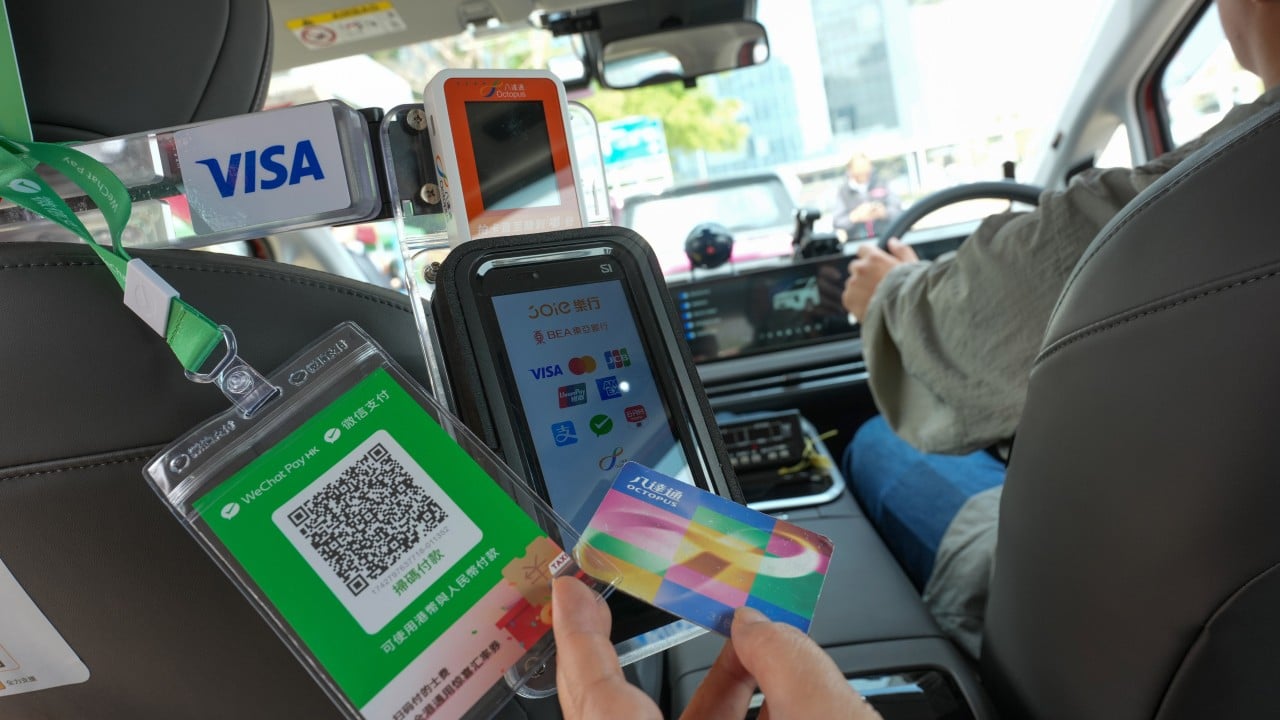
The Transport Department hasn't been subtle about this. They want every taxi to offer at least one form of e-payment. Octopus is the natural winner here because everyone in the city already has one in their pocket or on their phone. It’s the closest thing to a local currency we have. But it’s not just Octopus. We’re seeing more drivers adopt devices that handle credit cards, AliPay, and WeChat Pay. This isn't just about convenience; it’s about data. Digital records make it much harder for the "bad apples" in the industry to overcharge or refuse hires.
What This Means for Your Next Ride
Drivers used to hate digital payments for two reasons: transaction fees and the wait for cash. When you’re a cabbie, you need cash for fuel and shift rentals at the end of the day. Waiting three days for a bank transfer felt like a lifetime. Octopus and other providers have fixed this by slashing fees and speeding up the settlement process. Some platforms now offer next-day or even same-day transfers to the driver’s mobile wallet.
Honestly, the benefits for the driver are starting to outweigh the old-school perks of cash. Think about it. No more fumbling with coins while stuck in Nathan Road traffic. No more worrying about counterfeit notes. Most importantly, it opens them up to a wider customer base. Younger locals and mainland tourists don't carry wallets. They carry phones. If a driver doesn't take digital, they’re literally waving away money.
Breaking Down the Numbers
The scale of this adoption is impressive. With over 47,000 drivers signed up, we are looking at nearly the entire active workforce. Some drivers use the official Octopus App for Business on their own smartphones, while others have opted for dedicated Bluetooth card readers provided by third-party aggregators.
These aggregators are the real MVPs here. They bundle multiple payment methods—Visa, Mastercard, UnionPay—into a single device. It simplifies the dashboard. Nobody wants five different tablets stuck to their windshield. The hardware is becoming sleeker and more reliable, which was a major sticking point in previous years when "the machine is broken" was a common excuse for drivers who just wanted the cash.
The Resistance is Fading
There’s always going to be a small group of holdouts. Usually, it's the older generation who finds the apps confusing or fears the taxman seeing their exact earnings. But the peer pressure is real. When three taxis in a row at the airport queue take cards and the fourth doesn't, that fourth driver is going to have a very long, quiet shift.
The government’s "Taxi Fleet Management Reform" is the final nail in the coffin for the cash-only era. Under this new scheme, fleet operators have to meet strict service standards, and e-payment is a non-negotiable part of that package. We are moving toward a world where the physical meter and the payment terminal are one and the same.
Practical Steps for Passengers and Drivers
If you’re a passenger, stop asking "Do you take card?" before you get in. Just look for the yellow Octopus sticker or the logos on the rear window. Most of the time, you’re good to go. For the few who still don't have it, the pressure from the 47,000 who do will eventually force them to flip.
Drivers who haven't made the jump yet need to move now. The incentives from payment providers—waived transaction fees for the first six months and free card readers—won't last forever. The "early adopter" phase is over. We’re in the "adapt or go extinct" phase.
- Download the Octopus App for Business if you're an independent driver.
- Look into fleet-wide solutions if you manage multiple cars to get better rebate rates.
- Keep your QR codes visible but secure to prevent payment "hijacking."
- Check your settlement settings to ensure money hits your account before your next fuel bill is due.
The transition isn't just about a piece of plastic hitting a reader. It’s about Hong Kong’s taxi industry finally catching up to the rest of the world. It took a long time, maybe too long, but the momentum is finally here. If you're a driver, get the kit. If you're a rider, tap away. The "no change" argument is officially dead.