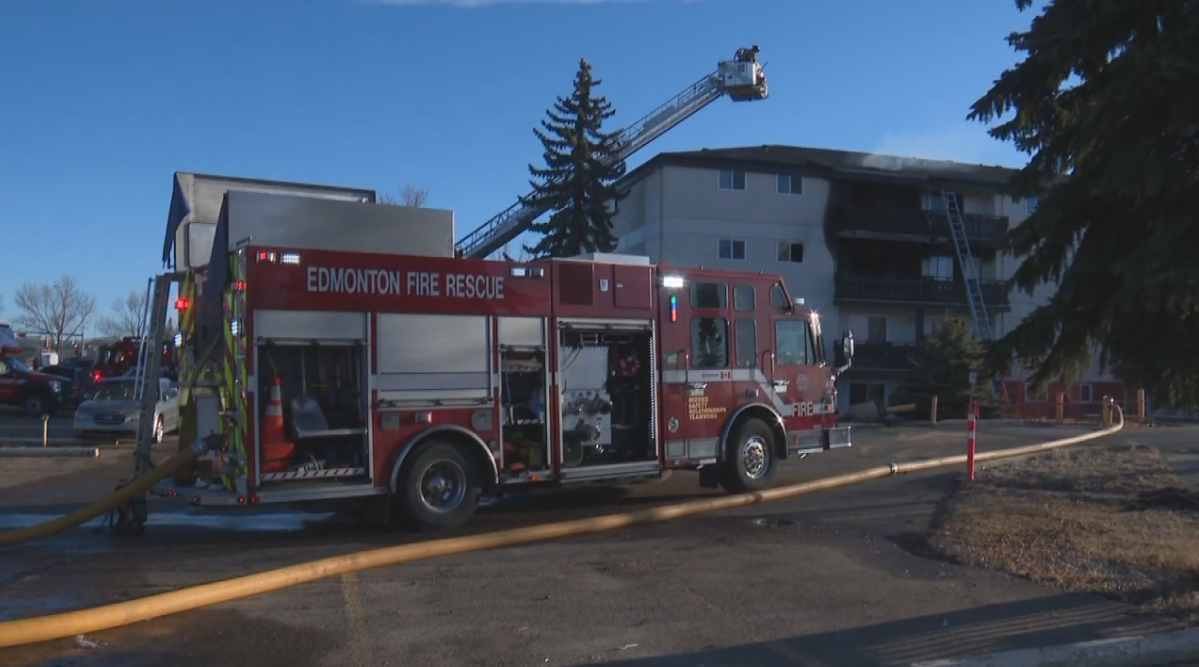
The smoke has cleared over the northeast Edmonton apartment complex, but the stench of systemic failure remains. While early reports focus on the immediate chaos—one person hospitalized and roughly 200 residents pushed into the street—the real story isn't the fire itself. It is the fragile reality of low-income high-density living in a city where the margin for error has narrowed to nothing. When a single structural event can displace two percent of a neighborhood’s population in an afternoon, we aren't looking at an accident. We are looking at a precarious housing model built on a foundation of "good enough."
Fire crews arrived at the multi-story complex to find a blaze that had already compromised the structural integrity of dozens of units. The immediate logistics are staggering. Two hundred people represents a massive humanitarian load for local emergency services to shoulder in a matter of hours. But as the Red Cross sets up temporary cots and the city issues platitudes about community resilience, the deeper questions regarding building maintenance, occupancy standards, and the vanishing inventory of affordable rentals in Edmonton go unanswered.
The Economics of Displacement
Displacement is a clinical word for a violent experience. For the 200 people pushed out of their homes in northeast Edmonton, the fire is only the first hurdle. The second, and perhaps more daunting, is the current state of the Edmonton rental market. For years, the city was the last bastion of affordability in Western Canada. That era is over.
Data suggests that vacancy rates for "affordable" units—those priced for the working class and those on fixed incomes—have tightened significantly. When 200 people are suddenly hunting for new roofs simultaneously, they aren't entering a healthy market. They are entering a bidding war. Most of these residents do not have the liquid capital to cover a new damage deposit and first month’s rent on twenty-four hours' notice. They are one paycheck away from the street, and the fire just took the paycheck.
Investors have spent the last half-decade snapping up older wood-frame walk-ups in the northeast quadrant. These buildings are often the "value-add" plays for real estate investment trusts. In the boardroom, "value-add" means cosmetic upgrades and rent hikes. In reality, it often means the bare minimum is spent on the skeletal systems of the building—the electrical grids and fire suppression systems that actually keep people alive. We see a recurring pattern where the facade gets a fresh coat of grey paint while the 1970s-era wiring struggles to keep up with the demands of modern appliances.
Why Fire Suppression is Failing the Modern Tenant
We need to talk about the physical reality of these buildings. Many of the large complexes in the northeast were built under building codes that are now decades out of date. While they are often grandfathered in, they lack the sophisticated integrated sprinkler systems and fire-rated compartmentalization found in newer builds.
In a modern concrete tower, a fire is usually contained to the room of origin. In an older, wood-frame multi-family dwelling, the structure itself acts as fuel. Once a fire enters the "interstitial spaces"—the gaps between the walls and floors—it moves with terrifying speed. By the time the alarm sounds, the building's lungs are already full of smoke.
The Maintenance Gap
There is a growing chasm between what the law requires and what landlords actually do. Municipal inspectors are overworked. They react to complaints rather than conducting proactive sweeps. This creates a "silence for shelter" dynamic. Tenants in low-cost housing are often terrified to report flickering lights or faulty smoke detectors because they fear an inspection might lead to the building being condemned, leaving them homeless.
- Deferred Maintenance: Landlords often push back non-critical repairs to maintain cash flow.
- Occupancy Stress: Economic pressure leads to more people living in smaller spaces, increasing the electrical load and the risk of accidental fires.
- The Insurance Trap: As these buildings age and fire risks rise, insurance premiums skyrocket. Some owners respond by cutting costs elsewhere, usually in onsite management or security.
This isn't just about one building in northeast Edmonton. It is about a specific class of real estate that is being squeezed for every cent of profit while its safety margins evaporate.
The Illusion of Social Support
The city’s response to these disasters is a well-oiled machine, but it is a machine that only runs for 72 hours. Emergency Social Services (ESS) provides the basics: a hotel voucher, some food, and a pat on the back. After that, the "displaced" are expected to navigate the wreckage of their lives on their own.
Insurance is the great divider here. A significant portion of residents in these high-density blocks do not carry tenant insurance. To a middle-class observer, this seems like a reckless oversight. To someone deciding between a $40 monthly premium and three days of groceries, it is a calculated risk. Without that insurance, there is no "loss of use" coverage. There is no check coming to replace the furniture, the clothes, or the electronics. There is only the abyss.
The 200 people from this latest fire are now competing with each other for a dwindling supply of basement suites and marginal apartments. The social cost of this friction is immense. Kids are pulled out of schools. Jobs are lost because people can’t get to work from a temporary shelter three neighborhoods away. The ripple effect of a single kitchen fire or electrical short can destabilize a local economy for months.
High Density Without High Security
We are told that density is the solution to the housing crisis. We are told that we need to build more, faster, and tighter. But if we do not address the quality and oversight of that density, we are just building tinderboxes for the poor.
The northeast Edmonton fire is a warning shot. As the city continues to grow, the pressure on these aging structures will only increase. We are relying on infrastructure that was never meant to last this long under this much strain. If we don't change the way we regulate and inspect these "affordable" hubs, we aren't housing people; we are just warehousing them until the next siren sounds.
The city needs to move beyond reactive management. We need a mandatory, publicly accessible registry of building inspections for all multi-family dwellings. Tenants should know the fire history and the outstanding code violations of a building before they sign a lease. Transparency is the only thing that will force the hand of "slum-adjacent" landlords who rely on the invisibility of their tenants to avoid accountability.
The person in the hospital and the 200 people on the sidewalk are the human collateral of a real estate market that treats safety as an overhead cost to be minimized. We can talk about "accidents" all we want, but when the system is designed to fail the most vulnerable, every fire is a foreseeable event. The real work begins when the news cameras leave and the displaced are left to pick through the charcoal of their lives. We must demand a housing standard that values a tenant’s life more than a landlord’s quarterly return. If we don't, the next 200 people are already packed and waiting for their turn on the curb.