The phone sits on a polished oak desk in a room where the air feels heavy with the scent of old paper and expensive espresso. It is a secure line. It represents the pinnacle of diplomatic power—the ability to reach across borders, across ideologies, and speak directly into the ear of a man who can move armies with a nod. But when the transcript finally leaked, the sound that emerged wasn't the sharp crack of iron-willed negotiation. It was the sound of a hollowed-out soul.
We often imagine geopolitics as a high-stakes chess match played by giants. We want to believe that when our leaders pick up that receiver, they are guided by a compass of steel and a deep sense of national dignity. The reality revealed in the leaked exchange between a prominent European leader and Vladimir Putin suggests something far more unsettling. It wasn't just a failure of policy. It was a surrender of the spirit.
The Language of the Subservient
There is a specific cadence to the way power speaks to power. Usually, it is guarded, precise, and layered with the subtext of mutual interest or mutual threat. In this leaked call, however, the European leader didn’t sound like a peer. He sounded like an acolyte.
"At your service," he reportedly said.
Let that sink in. Those three words carry the weight of centuries of European struggle for autonomy and democratic integrity. To hear them uttered by a modern head of state to a man currently orchestrating the largest land war in Europe since 1945 is a visceral shock. It is the verbal equivalent of a bow performed in the dark.
Think of a hypothetical mid-level manager trying to appease a volatile CEO. He laughs at the bad jokes. He anticipates the anger and tries to soothe it before it flares. He offers up small concessions of his own dignity just to keep the meeting from ending in a shout. Now, magnify that to the level of global security. This isn't about office politics; it's about the lives of millions and the stability of a continent. When the leader of a free nation adopts the posture of a butler, the very foundation of the international order begins to crack.
The Psychology of the Long Table
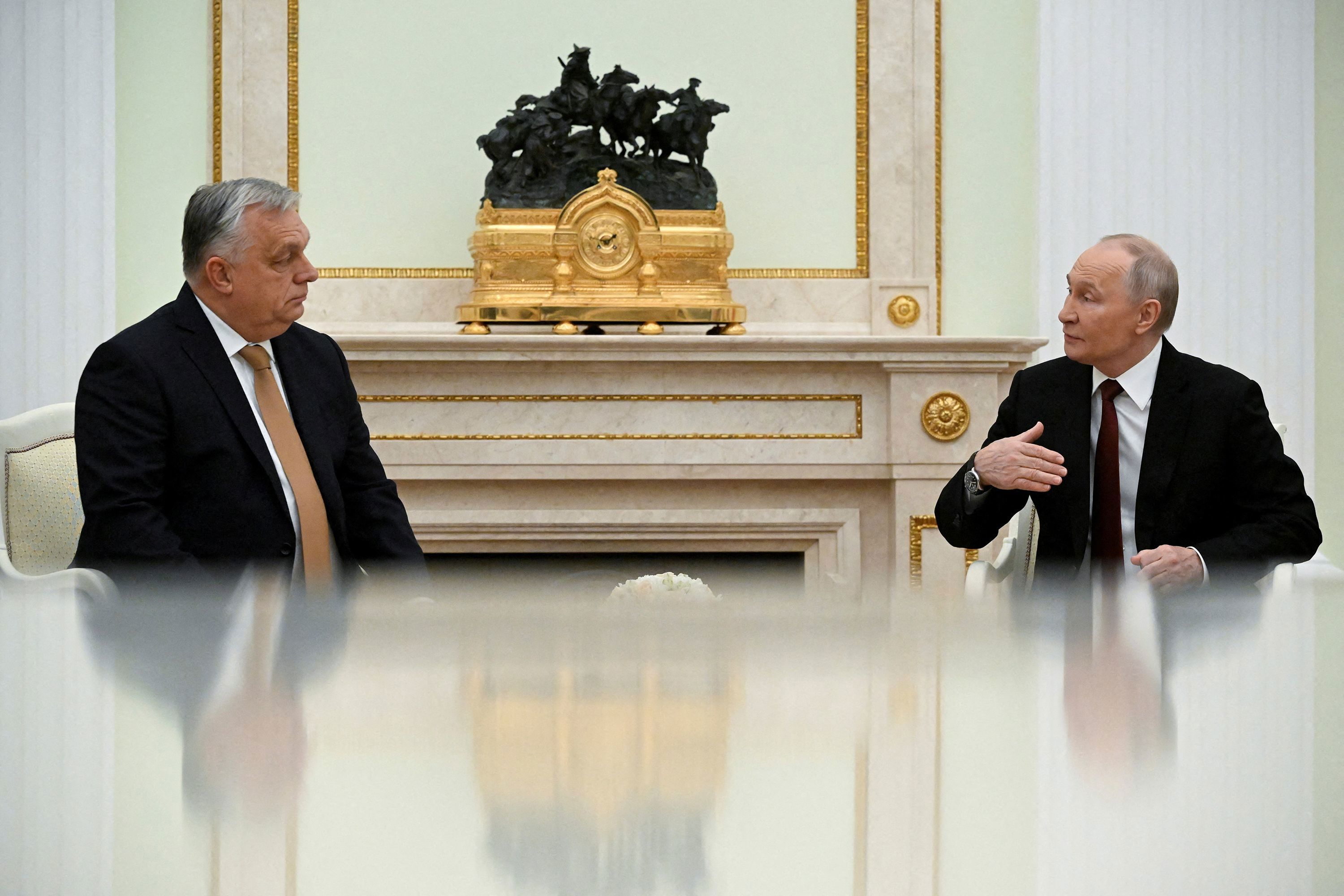
To understand why this happened, we have to look past the ink on the transcript and into the psychological vacuum of the Kremlin. Putin has spent decades perfecting the art of the "alpha" encounter. We’ve seen the photos: the absurdly long tables that force visitors into a position of physical insignificance, the strategic use of intimidating pets, the calculated lateness.
These are not just eccentricities. They are tools of psychological attrition.
When a leader enters this environment—even over a secure phone line—they are stepping into a curated reality where Putin is the sun and everyone else is a satellite. The tragedy of the "at your service" leak is that it shows the strategy worked. It suggests that the European leader had stopped seeing himself as a representative of a sovereign power and started seeing himself as a supplicant.
He was no longer trying to change the outcome; he was trying to survive the interaction.
This is the hidden cost of "pragmatic" diplomacy when it isn't anchored by a moral backbone. We tell ourselves that we must keep the channels of communication open. We say that dialogue is always better than silence. But if the dialogue consists of one side feeding the other’s ego while their own values are devoured, is it really communication? Or is it just a slow-motion hostage crisis?
The Ghost in the Receiver
Imagine you are a soldier in a muddy trench in eastern Ukraine. The air smells of sulfur and rot. Your world is defined by the whistle of incoming artillery and the desperate hope that the next shell doesn't have your name on it. You have been told that the world is behind you. You have been told that the leaders of the great European democracies are your shield.
Then, the news filters down. The leader of a nation you considered an ally, a pillar of the West, is telling the man who sent those shells that he is "at his service."
The betrayal isn't just political. It’s existential.
The facts of the call are dry—timestamps, translated phrases, diplomatic protocol. But the narrative is one of profound loneliness. It reveals a world where the rhetoric of human rights and sovereignty is a thin veneer over a core of terrifying spinelessness. It suggests that while the people of Ukraine are paying in blood, some of their neighbors are still trying to negotiate the price of a comfortable peace.
The Invisible Stakes of a Hello
Why does a single phone call matter so much? Because in the world of high diplomacy, words are the only currency that isn't backed by violence. When that currency is devalued, when a leader speaks with a fork in his tongue or a tremble in his heart, the entire system loses its worth.
Consider the "People Also Ask" questions that usually follow these news breaks:
- Did the call change anything on the ground?
- Was it a tactical move to buy time?
- Is this just how diplomacy works behind closed doors?
The answer to all of them is found in the tone, not the text. No, it didn't change the ground game for the better; it emboldened the aggressor. No, it wasn't a clever tactical feint; you don't feign subservience unless you’re prepared to live it. And no, this is not how diplomacy "works"—this is how diplomacy dies.
True diplomacy requires the courage to say "no" in a way that the other side respects. It requires a clear-eyed understanding of who you are and what you stand for. When you lose that, you aren't a diplomat anymore. You’re a courtier.
The Echo in the Halls of History
History is a relentless judge of those who try to ride the tiger by stroking its fur. We have seen this play out before. The 1930s were filled with leaders who believed that if they were just polite enough, just accommodating enough, the darkness would eventually satiate itself and recede.
They were wrong then. They are wrong now.
The leak of this call serves as a mirror. It forces us to look at the fragility of our institutions. It reminds us that the "rules-based order" we talk so much about is only as strong as the people tasked with defending it. If those people are more concerned with being "at the service" of a tyrant than being the servants of their own people's ideals, then the order is already gone.
The most chilling part of the transcript isn't Putin’s demands. It’s the silence that follows them from the other side. A silence filled with the frantic desire to please. A silence that says more than any speech ever could.
We are living in an era of loud headlines and quiet surrenders. We watch the spectacle of summits and press conferences, but the real history is being written in these hushed, leaked moments. It is being written in the gap between what our leaders say to us and what they whisper to our enemies.
The phone line is still open. The espresso is still hot. The oak desk still shines. But the man on the other end of the line isn't listening to the words anymore. He is listening to the heartbeat of a leader who has already given up. He hears the fear. He hears the desperation. He hears the sound of a Europe that has forgotten how to stand tall.
And as he hangs up, he smiles, knowing that service has already been rendered.