Meningitis kills within hours, yet its early warning signs mimic a common hangover or mild flu. This rapid progression makes it one of the most aggressive medical emergencies in existence. The disease occurs when the protective membranes surrounding the brain and spinal cord become severely inflamed, usually due to a bacterial or viral infection. While basic health guides list fever and headache as primary symptoms, the real danger lies in how quickly these standard ailments transform into neurological devastation. Understanding the precise transmission pathways and the subtle, early indicators is the only way to prevent fatal delays in treatment.
The Silent Evolution of Symptoms
The medical textbook presentation of meningitis is a trap. Doctors are taught to look for the classic triad of fever, altered mental status, and neck stiffness. However, historical data shows that a vast majority of patients do not exhibit all three symptoms during their initial medical evaluation.
The timeline is brutal. A patient might wake up feeling slightly fatigued, attributing the sluggishness to a poor night of sleep. Within six hours, a mild headache develops. By hour twelve, the headache becomes excruciating, accompanied by a sudden sensitivity to light known as photophobia.
Timeline of Bacterial Meningitis Progression:
0-6 Hours: Mild fever, fatigue, slight headache (easily mistaken for flu)
6-12 Hours: Severe headache, light sensitivity, nausea, mounting confusion
12-24 Hours: Stiff neck, purple rash, seizures, septic shock, coma
The stiffness in the neck is not a simple muscle ache. It is a physiological reaction called nuchal rigidity, caused by the extreme irritation of the meninges. When the neck bends, the inflamed membranes stretch, triggering an involuntary spinal reflex that forces the muscles to lock up.
In infants, the signs are even more deceptive. Babies cannot complain of a headache. Instead, they become paradoxical in their irritability. Holding and rocking a healthy baby usually calms them down. A baby developing meningitis will cry harder when handled because the movement shifts their inflamed spinal column, causing intense pain. Parents should watch for a bulging fontanelle—the soft spot on the baby's head—which swells due to the buildup of cerebrospinal fluid.
The definitive, unmistakable sign of meningococcal meningitis is the purpuric rash. It begins as tiny, red pinpricks that resemble small insect bites. Within hours, these spots expand into large, purple bruises. The standard test is the glass tumbler method. Press a clear drinking glass firmly against the rash. If the spots fade under pressure, it is likely a standard skin reaction. If the spots remain visible through the glass, it indicates that blood has leaked into the skin tissues. This is a sign of systemic septicemia, and the window for survival is closing fast.
How the Pathogen Breaches the Blood-Brain Barrier
Transmission of meningitis requires close, prolonged contact, making communities like college dormitories, military barracks, and boarding schools prime environments for transmission. The bacteria responsible, such as Neisseria meningitidis or Streptococcus pneumoniae, reside in the nasopharynx of healthy individuals. In fact, roughly 10% of the population carries these bacteria at any given time without ever falling ill. They are asymptomatic carriers.
The disease spreads through respiratory droplets. Coughing, sneezing, sharing utensils, or deep kissing allows the bacteria to migrate from the throat of a carrier to a new host.
Once inside the new host, the bacteria must survive the mucosal defenses of the throat. If the host has a compromised immune system, or even a recent bout with a common cold, the mucosal lining is weakened. The bacteria attach to the cells using microscopic, hair-like structures called pili. They then penetrate the cellular layer to enter the bloodstream.
$$Bacteria \xrightarrow{Nasopharynx} Bloodstream \xrightarrow{Blood-Brain\ Barrier} Meninges$$
The bloodstream is a hostile environment, but these pathogens possess a specialized polysaccharide capsule that acts as a shield, preventing white blood cells from engulfing them. As the bacteria multiply in the blood, they travel toward the brain.
The brain is protected by the blood-brain barrier, a tight network of blood vessels and tissue designed to keep toxins and pathogens out. Meningitis-causing bacteria have evolved specific surface proteins that bind to the receptors on these endothelial cells. They force the barrier walls to open slightly, slipping into the cerebrospinal fluid.
Once inside the central nervous system, the bacteria find an environment lacking robust immune surveillance. They multiply unchecked. The body responds with a massive, chaotic inflammatory attack. White blood cells rush into the space, creating pus and increasing intracranial pressure. This pressure chokes off blood flow to the brain, causing tissue death, strokes, and permanent neurological damage.
The Diagnostic Dilemma and Treatment Realities
Waiting for a definitive laboratory diagnosis before starting treatment is often fatal. When a patient presents with suspected meningitis, emergency physicians must initiate broad-spectrum intravenous antibiotics immediately.
The definitive test is a lumbar puncture, often called a spinal tap. A needle is inserted between the lumbar vertebrae to withdraw a small sample of cerebrospinal fluid. In a healthy individual, this fluid is as clear as water. In a patient with bacterial meningitis, the fluid appears cloudy or milky, packed with bacteria, white blood cells, and elevated protein levels.
The Viral Versus Bacterial Divide
It is critical to distinguish between bacterial and viral forms of the disease. Viral meningitis, often caused by enteroviruses, is frequently referred to as aseptic meningitis. While it causes severe headaches and fever, it is rarely life-threatening for individuals with normal immune systems. Most patients recover fully within a few weeks with rest and fluids.
Bacterial meningitis, conversely, is a medical emergency with a mortality rate approaching 10% to 15%, even with optimal antibiotic treatment. For those who survive, the long-term consequences are severe. The intense inflammation and altered blood flow leave roughly one in five survivors with permanent disabilities, including profound hearing loss, cognitive impairment, epilepsy, or limb amputations due to widespread tissue necrosis from septic shock.
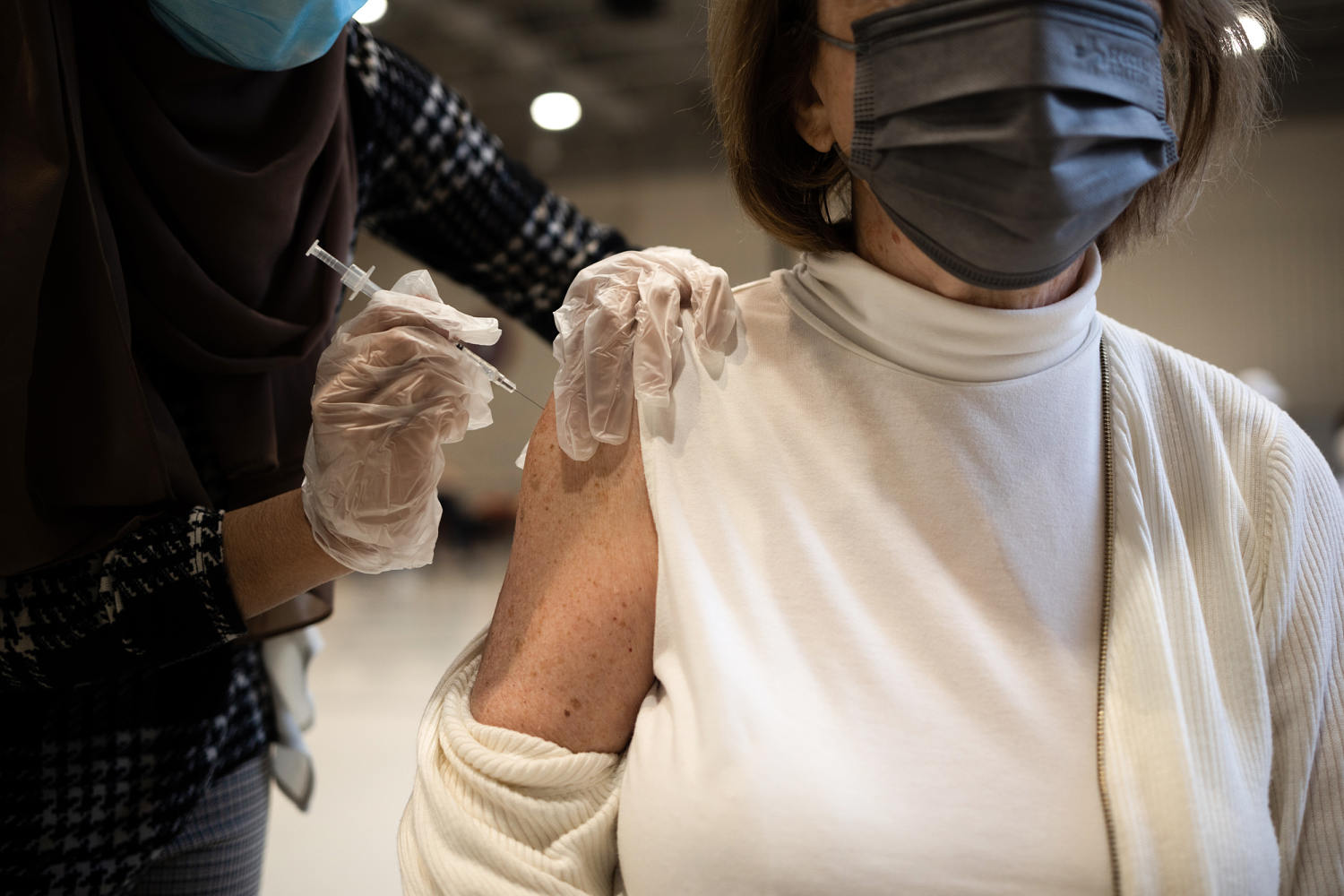
Vaccination remains the primary defense against the most lethal bacterial strains. Vaccines target specific serogroups of Neisseria meningitidis, as well as Streptococcus pneumoniae and Haemophilus influenzae type b. However, no vaccine offers 100% protection against every possible strain, and immunity wanes over time.
If you suspect someone has meningitis, do not wait for a rash to appear, and do not wait to see if a fever breaks overnight. Go directly to the nearest emergency room. Inform the triage staff immediately that you suspect meningitis, forcing an immediate evaluation before the infection inflicts irreversible neurological destruction.