The marble corridors of the Rayburn House Office Building are usually deafening on a Thursday afternoon before a holiday recess. Wheels of roll-aboard suitcases clatter against polished stone. Staffers bark into iPhones about flight times. Lawmakers rush toward the exit, desperate to catch the late-afternoon flights back to their districts for Memorial Day.
But yesterday, a different kind of tension muted the noise. The air felt thick, charged with the nervous energy of a high-stakes poker game where someone had just flipped the table.
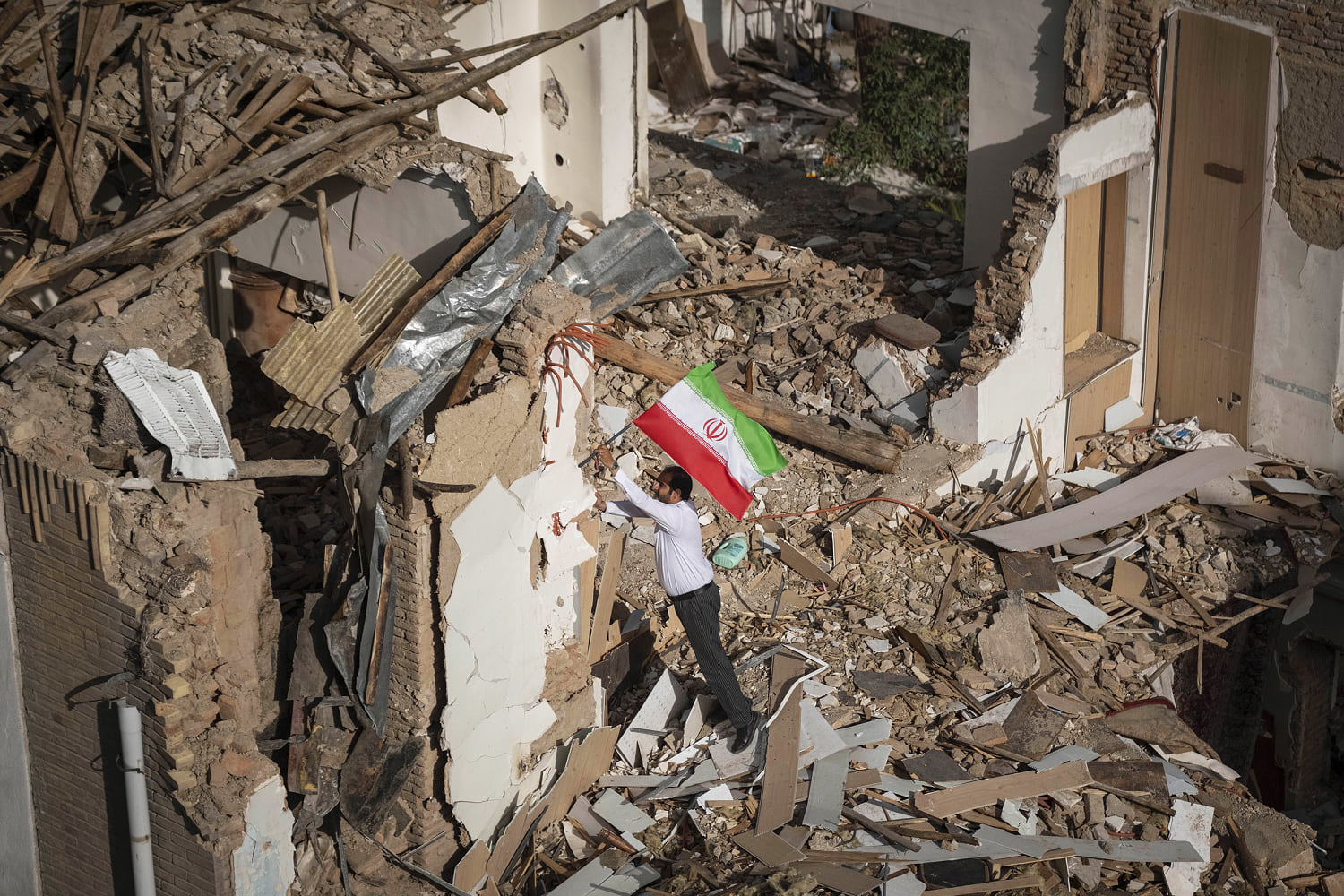
Behind closed doors, House Republican leadership stared at a tally sheet. The math was devastating. They were about to lose control of the floor. For nearly three months, the United States military had been engaged in a punishing, unauthorized conflict alongside Israel, striking targets inside Iran since late February. Now, a bipartisan coalition was inches away from forcing the president to halt the war.
Speaker Mike Johnson looked at the board, realized the numbers were missing, and made a choice. He pulled the plug. He cancelled the vote.
Democracy, we are taught, happens in the voting booth and on the legislative floor. But sometimes, its most consequential moments happen in the sudden absence of a vote.
To understand why a canceled afternoon roll call matters, you have to look past the dry legislative jargon of the War Powers Resolution of 1973. You have to look at the human math.
Consider a hypothetical young lieutenant, someone we will call Marcus. He is twenty-four years old, sitting in the cramped, humid belly of a naval vessel in the Persian Gulf. He is not watching C-SPAN. He is watching radar screens, listening for the whine of incoming drones, and wondering if the next strike will push a fragile regional ceasefire past its breaking point. Marcus is there because of an executive order. He remains there because the people elected to make the hardest decision a nation can face—whether or not to go to war—have spent months avoiding a definitive statement.
The Constitution is unambiguous about this arrangement. Article I, Section 8 gives Congress, and only Congress, the power to declare war. The War Powers Act acts as a ticking clock, giving a president sixty days to get explicit permission from lawmakers before military actions must be wound down.
For Donald Trump’s second administration, that clock ran out weeks ago.
Yet, the missiles keep flying, the defense bills keep mounting, and at least thirteen American service members have already returned home in flag-draped coffins. Gasoline prices are ticking upward at the corner station, reflecting the shudder of global energy markets. The public is anxious. The president’s approval numbers have drifted down to thirty-seven percent.
Until now, the party line held firm. Early efforts in March and April to rein in the administration failed, but each time by a slimmer margin. Last month, a similar resolution failed by a single, agonizing vote: 213 to 214.
The dam was cracking.
The shift is not just happening among opposition Democrats. It is happening in the quiet agonizing of representatives who are realizing that loyalty to a commander-in-chief has a steep price when the conflict has no clear exit strategy.
Take Brian Fitzpatrick, a Republican from the Philadelphia suburbs. Last week, he broke ranks to vote against his party on a preliminary measure. By Wednesday, the president was publicly attacking him. On Thursday, Fitzpatrick was unbowed. When asked about the leadership’s decision to cancel the vote and delay the reckoning until June, his assessment was blunt: "The next time they bring it, it's passing."
Then there is Thomas Massie, the fiercely independent libertarian-leaning Republican from Kentucky. Massie has been a vocal opponent of the joint U.S.-Israeli campaign in Iran. He was absent on Thursday, one of half a dozen Republicans whose empty seats left leadership exposed. Massie's week had already been brutal; he just lost his primary election to a primary challenger heavily backed by the president.
When leadership realized Massie and several others were missing from the floor, they realized they could no longer protect the White House from a historic rebuke. Two days prior, the Senate had already defied the administration, with four Republicans crossing the aisle to advance a companion bill in a 50-to-47 vote.
If the House voted on Thursday, the bill would have landed on the president’s desk.
Instead, the leadership chose a tactical retreat. They wrapped their briefcases, postponed the debate until June, and let the chamber empty out for recess.
Standing outside the canceled session, New York Representative Gregory Meeks, the top Democrat on the Foreign Affairs Committee, let his frustration show to the huddle of reporters. "We had the votes without question," Meeks said, his voice carrying the exhaustion of a three-month legislative marathon. "They knew it, and as a result, they're playing a political game."
On the other side of the aisle, defenders of the administration argue that this is not a game at all. They contend that the president is acting well within his constitutional authority to counter imminent threats and project American strength against a hostile regime. They point out historical precedents where previous administrations engaged in prolonged drone campaigns or maritime skirmishes without waiting for a formal declaration from Capitol Hill.
But the distinction between a limited military operation and an authorized war is growing harder to see from the deck of a destroyer in the Gulf.
When lawmakers board their flights home this weekend, they will attend parades. They will shake hands with veterans. They will lay wreaths at monuments dedicated to those who fell in conflicts that were formally debated, voted upon, and owned by the entire nation.
But back in Washington, the empty floor of the House remains dark, the tally boards unlit. The ticking clock of the War Powers Act has been paused by a procedural maneuver, but the actual conflict does not pause for a congressional recess. The true cost of that silence will continue to be paid, dollar by dollar, mile by mile, by those who wear the uniform, waiting for a Congress that has temporarily left the building.


