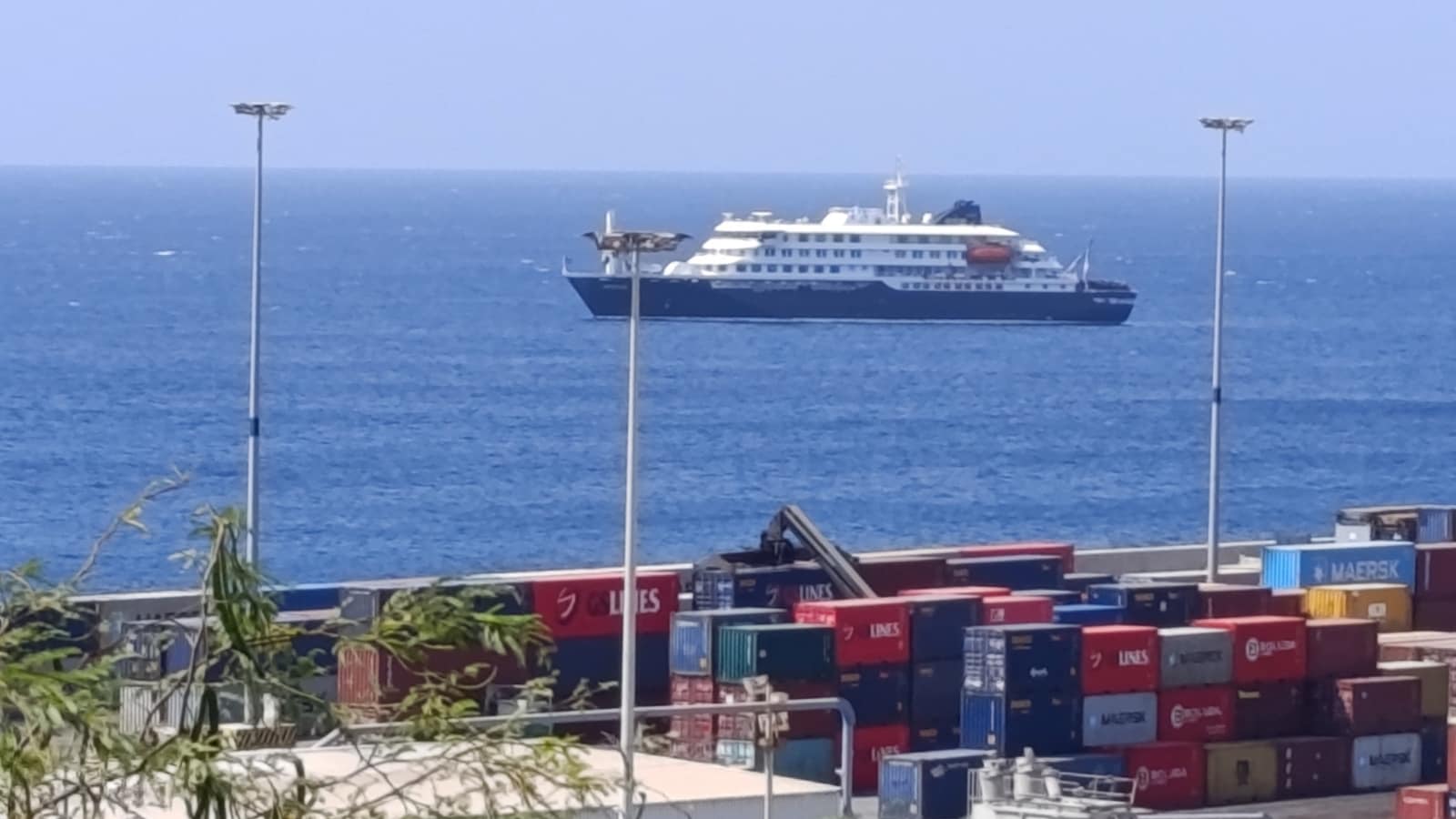
The headlines are screaming about a "deadly outbreak" and "emergency evacuations" involving a British doctor and a cruise ship. The narrative is set: a floating petri dish, a rare jungle virus, and a desperate race against time. It makes for great television. It also makes for terrible science.
If you are shivering in your cabin because you think the ventilation system is pumping Hantavirus into your suite, you’ve been sold a lie. The mainstream media treats every maritime medical incident like the opening scene of Contagion. They thrive on the "locked-in" terror of a ship at sea. But the reality of Hantavirus is far more grounded—literally—and the panic surrounding this specific evacuation reveals a profound ignorance of how zoonotic diseases actually function.
The Rodent in the Room
Hantavirus isn't the flu. It isn't COVID-19. It doesn't jump from person to person because someone coughed in the buffet line. To catch Hantavirus, you generally need to be inhaling aerosolized droppings, urine, or saliva from very specific species of rodents—mostly deer mice, cotton rats, or rice rats.
Unless the cruise line has replaced its housekeeping staff with a colony of infected rodents living in the drywall, the "outbreak" narrative falls apart.
The media loves to highlight the "Brit doctor" involvement because it adds a layer of professional stakes. If a doctor is worried, you should be too, right? Wrong. Doctors get sick just like anyone else, and their presence on a manifest doesn't change the virology of the pathogen. Hantavirus Pulmonary Syndrome (HPS) has a high mortality rate—around 38% according to the CDC—but it is notoriously difficult to contract in a sanitized, industrial environment like a modern cruise ship.
Why the Evacuation is a Logistics Play Not a Plague Response
When a ship evacuates a patient, the public assumes it’s because the person is a biohazard. In reality, it’s usually because the ship’s infirmary is a glorified urgent care center.
I have seen maritime operations scramble helicopters for "outbreaks" that turned out to be localized food poisoning or standard Norovirus. Why? Because the liability of a death at sea is a financial nightmare that outweighs the cost of a private medevac.
- Ventilator Capacity: Cruise ships are equipped for stabilization, not long-term intensive care. HPS requires aggressive respiratory support.
- Legal Insulation: If a passenger dies on board, the paperwork is a leviathan. If they die in a hospital in port, the cruise line's hands are clean.
- Optics: Moving the "problem" off the ship allows the marketing department to claim the vessel is "clear" within twenty-four hours.
We are witnessing a theatrical performance of "safety" rather than a legitimate public health crisis. The evacuation of a few individuals—including the much-discussed doctor—is a standard extraction of high-risk patients to a facility with an ICU. Calling it an "outbreak response" is a reach that would make a yoga instructor wince.
The Myth of the Floating Petri Dish
The "lazy consensus" dictates that cruise ships are uniquely dangerous. People ask, "Is it safe to cruise during an outbreak?" This is the wrong question. The right question is: "Why are you more afraid of a ship than a camping trip?"
You are statistically a thousand times more likely to contract Hantavirus by sweeping out a dusty shed in Montana or cleaning a suburban garage than you are by sitting on a balcony in the Caribbean. Hantavirus is a disease of rural neglect, not luxury travel.
The frantic reporting on this evacuation ignores the incubation period. Hantavirus symptoms usually show up 1 to 8 weeks after exposure. If patients are showing symptoms now, they almost certainly brought the virus with them from land. The ship isn't the source; it's just the stage where the symptoms finally decided to debut.
Breaking the Fear Cycle
Let’s look at the numbers the fear-mongers ignore. The CDC records about 20 to 50 cases of Hantavirus in the entire United States per year. It is vanishingly rare. Yet, because it happened on a ship, it’s global news.
This is "Availability Heuristic" in action. We judge the probability of an event based on how easily we can recall examples. Because the media plasters "CRUISE VIRUS" across the screen, you think ships are dangerous. You don't see headlines for the 30,000 people who die of the flu annually because that’s "boring."
If you want to actually stay safe, stop worrying about rare South American viruses and start looking at the handrails. Norovirus is the real king of the sea, and it spreads because passengers have atrocious hand hygiene. But "Man Gets Diarrhea" doesn't sell ads. "Doctor Evacuated for Deadly Virus" does.
The Professional’s Guide to Ignoring the Noise
If you are a traveler, a stakeholder, or just a sentient human trying to navigate the modern news cycle, you need to filter for intent.
- Check the Transmission Vector: If it’s not airborne person-to-person, the "outbreak" risk is near zero.
- Follow the Liability: Ask if the evacuation is for the patient's health or the company's insurance premium.
- Ignore the "Expert" Tag: A doctor being a patient doesn't make the disease more contagious. It just makes the headline more clickable.
The cruise industry is a frequent punching bag for health officials because it is an easy, closed-loop target. It’s easy to regulate and easier to blame. But the data doesn't support the hysteria. We are seeing a localized medical event being rebranded as a global threat to satisfy the 24-hour news cycle's hunger for "The Next Big One."
Hantavirus is a brutal, unforgiving disease for those who catch it. It is also a disease that thrives in the dirt, the dust, and the wild—not on a $500-million vessel scrubbed with industrial-grade bleach every four hours.
Stop falling for the maritime melodrama. The ship isn't sinking, and the air isn't toxic. You’re just watching a corporation manage its risk profile in real-time.
Go back to the buffet. Just wash your hands first.