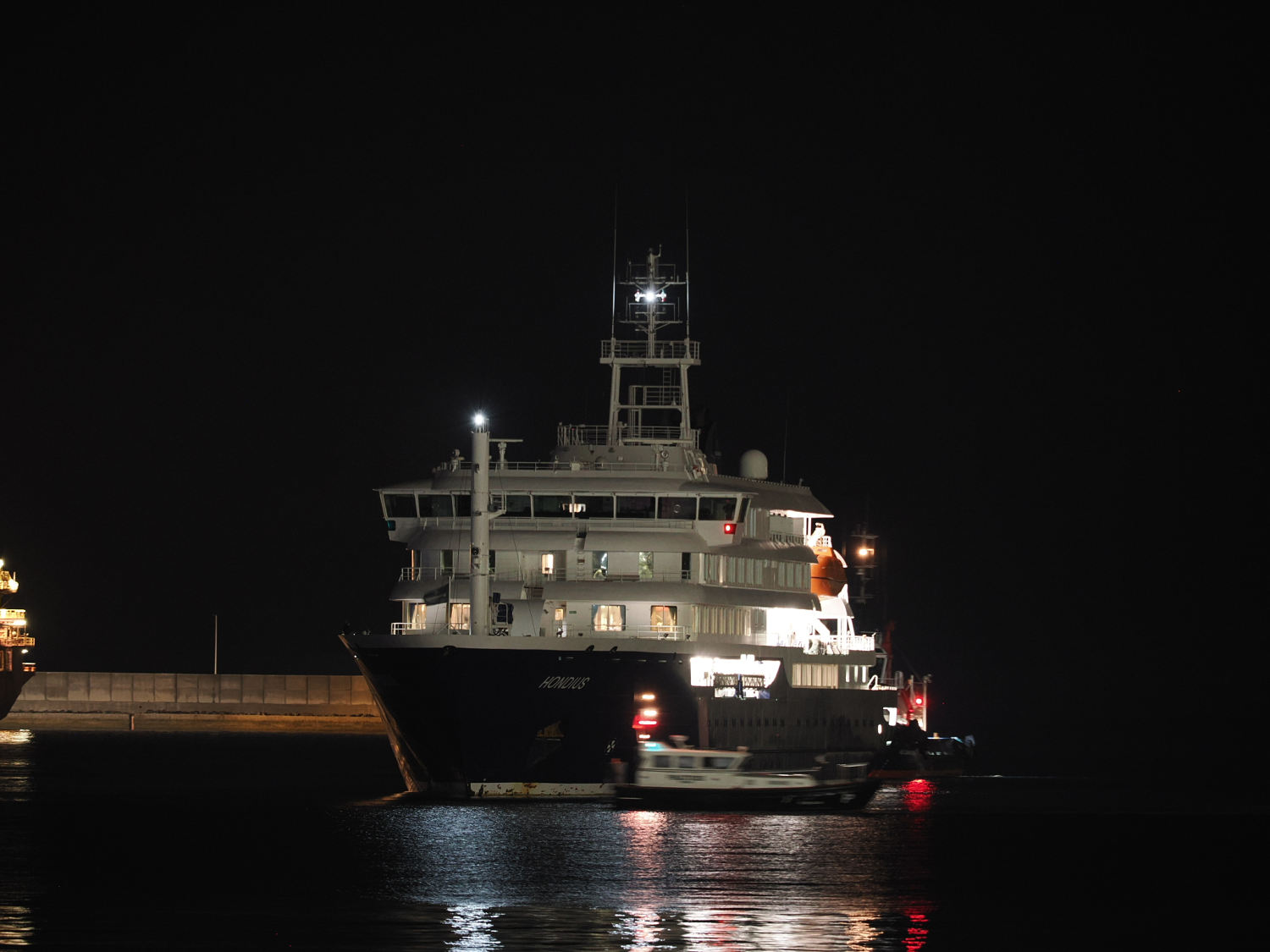
The Atlantic Ocean does not care about your luxury suite. From the balcony of a cruise liner, the water looks like hammered silver, a serene backdrop for a thousand-dollar vacation. But inside the hull, a different reality was brewing. As the ship crested the waves toward the volcanic shores of Tenerife, the air-conditioned elegance of the dining rooms began to feel heavy. It wasn't the sea air. It was a microscopic intruder that had no business being in the middle of the ocean.
Hantavirus.
The word sounds like a whisper, but it carries the weight of a death sentence in the wrong conditions. When news broke that a cruise ship had arrived in the Canary Islands under a cloud of infection, the headlines were clinical. They spoke of "confirmed cases" and "port protocols." They failed to mention the sheer, visceral terror of being trapped on a floating city with an enemy you cannot see, smell, or outrun.
The Dust of the Unseen
To understand the stakes, we have to look at how this virus travels. Imagine a hypothetical passenger—let’s call her Elena. She is sixty-four, retired, and spent three years saving for this specific itinerary. She isn't thinking about rodents. Why would she? She is on a vessel that prides itself on white-glove service and midnight buffets.
But Hantavirus is a hitchhiker. It doesn't need a ticket. It typically lives in the kidneys of rodents, shed through droppings and urine. In the cramped, interconnected labyrinth of a ship’s ventilation or the dark corners of a storage locker, those waste products dry out. They turn into dust. When a crew member sweeps a floor or a passenger walks through a rarely used corridor, that dust becomes airborne.
One breath. That is all it takes.
The virus enters the lungs and begins its silent work. It doesn't announce itself with a bang. It starts with the mundane: a slight ache in the thighs, a flicker of a fever, a weariness that Elena might mistake for a long day of sightseeing in the sun. But while she naps in her cabin, the virus is attacking the very lining of her blood vessels. They begin to leak.
A Port in the Storm
When the ship finally docked at Tenerife, the atmosphere was a jarring split between holiday cheer and biohazard reality. While some passengers leaned over the rails, eager to see the dramatic cliffs of the island, others were being carried down the gangway on stretchers.
The local authorities in Santa Cruz de Tenerife didn't have the luxury of "wait and see." Hantavirus Pulmonary Syndrome (HPS) has a mortality rate that can hover around 38%. It is a ruthless mathematician. Out of every ten people who develop the full respiratory collapse, four may never breathe on their own again.
The arrival transformed the pier into a theater of the absurd. Masked medical personnel stood in sharp contrast to the brightly colored Hawaiian shirts of the tourists. This is the hidden cost of our modern desire to be everywhere at once. We build these massive, hermetic environments—cities on water—and we forget that they are still subject to the ancient laws of biology.
The Logistics of Fear
Why Tenerife? The island is a hub, a vital artery for Atlantic travel. But for a ship carrying an infectious load, it becomes a cage. The Spanish health ministry faced a nightmare of logistics. You cannot simply let three thousand people wander into the narrow streets of a historic city if there is a chance the infection is still circulating in the ship's infrastructure.
The "dry" facts of the case tell us the ship was quarantined and sanitized. But the human reality is the sound of a cabin door closing and the click of a lock. It’s the muffled cough of a neighbor through a thin wall and the sudden, sharp realization that the air you are sharing might be toxic.
Medical experts often talk about "incubation periods." It is a cold term for a period of agonizing suspense. For Hantavirus, this can last anywhere from one to eight weeks. This means the tragedy isn't over when the ship is scrubbed with bleach. The tragedy follows you home in your luggage. It sits with you on the flight back to London or New York or Berlin. You watch your thermometer, waiting for the numbers to climb, wondering if that breath you took near the engine room two weeks ago was the one.
The Myth of the Sterile World
We have become dangerously comfortable. We believe that because we have high-speed internet and stabilizers that prevent seasickness, we have conquered the wild. We haven't. We have just moved it into closer quarters.
The Hantavirus outbreak on a cruise ship is a glitch in the matrix of luxury travel. It reminds us that "sanitized" is a relative term. The ship’s crew, often underpaid and overworked, are the frontline soldiers in a war against shadows. They are the ones reaching into the dark corners where the dust settles. When we read a headline about a ship arriving in Tenerife "stricken" by a virus, we should see more than a travel delay.
We should see the vulnerability of our global systems.
A single mouse in a grain shipment at a previous port. A single faulty seal on a ventilation duct. A single breath.
The ship eventually left Tenerife. The decks were scrubbed. The passengers who were cleared went on their way, perhaps with a story to tell that wasn't in the brochure. But for those in the local hospital beds, the Atlantic silver has turned to lead. They are fighting a battle for oxygen, their lungs filling with the fluid of their own weakened vessels.
The ocean remains indifferent. The waves continue to hit the hull. But for those who were there, the salt air will always carry a faint, metallic taste of the dust that shouldn't have been there.
We travel to escape our lives, but we can never escape the biology we share with the rest of the planet. The next time you walk down a narrow, carpeted hallway on a grand vessel, you might find yourself holding your breath. Not out of awe for the decor, but out of a new, sharp respect for the invisible world that travels alongside us, silent and hungry.
The sun sets over the Teide volcano, casting long, dark shadows across the harbor where the ship once sat. The water is calm now. But the ghost in the galley is never truly gone. It is just waiting for the next breath.