The air conditioning on a modern cruise ship is a marvel of engineering. It hums with a low, rhythmic vibration that most passengers stop hearing by their second glass of champagne. It promises a sanitized, climate-controlled paradise, a bubble of safety floating on an unpredictable ocean. But bubbles are fragile. And sometimes, what moves through the vents isn't just cool air. It’s a passenger that didn’t buy a ticket.
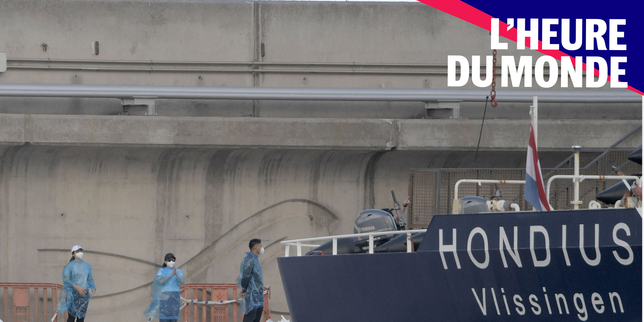
Seven people didn’t know they were carrying a stowaway until the world started to blur. According to the World Health Organization, seven cases of hantavirus have now been confirmed among travelers from a single vessel. To the statisticians, it’s a cluster. To the maritime industry, it’s a PR nightmare. But to the person lying in a cabin bed, feeling their lungs fill with fluid while the sun shines brilliantly on the deck outside, it is a terrifying betrayal of the body.
Hantavirus isn't like the common cold. It doesn't move through a crowded room with a sneeze or a handshake. It is a zoonotic shadow, a virus that makes the leap from animals to humans through a process that feels more like a ghost story than a medical diagnosis.
The Dust of the Unseen
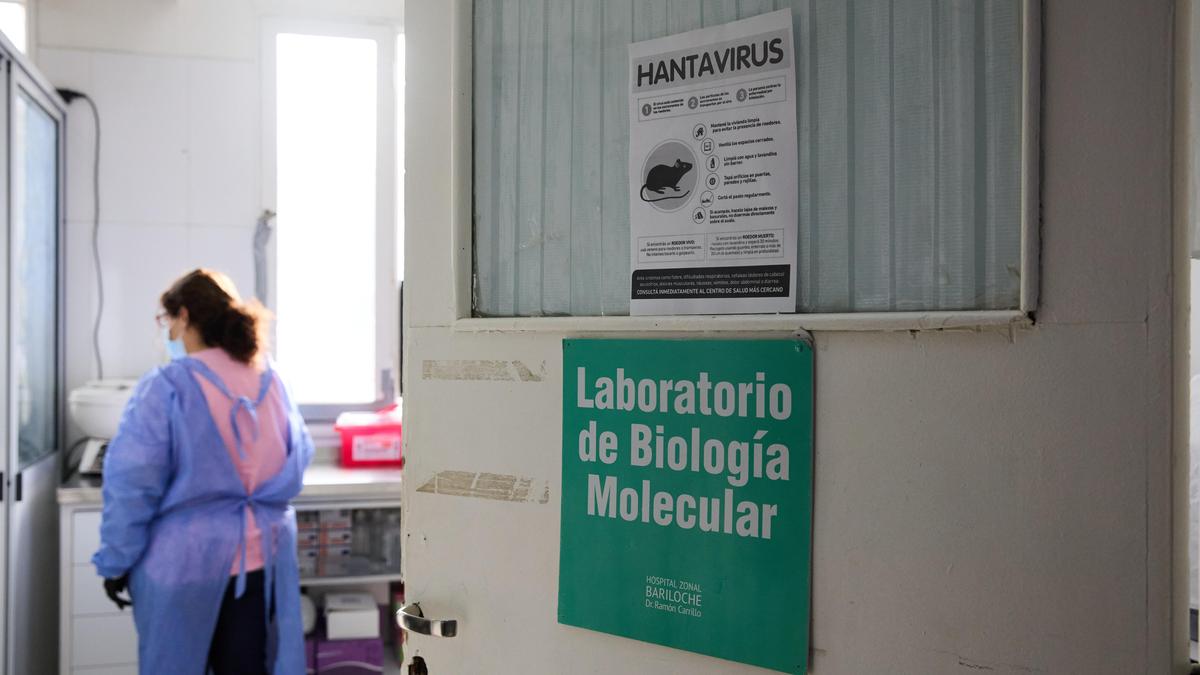
Imagine a steward opening a long-sealed storage locker in the bowels of a ship, or perhaps a passenger exploring a rustic port-of-call excursion where old wooden structures lean against the earth. In these quiet, dark places, deer mice and their relatives live their secret lives. They leave behind droppings, urine, and saliva. When these dry out and are disturbed—by a broom, a footstep, or a gust of wind—the virus becomes airborne.
http://googleusercontent.com/image_content/219
It hitches a ride on microscopic dust particles. You breathe it in. You don’t taste it. You don’t smell it. The virus enters the lungs and begins its patient, silent work.
For these seven travelers, the onset likely felt like the exhaustion that comes after a long week of sightseeing. A headache. A dull ache in the thighs and lower back. Maybe a slight fever. On a cruise, you’d assume it was a touch of seasickness or perhaps too much time in the sun. You take an aspirin and hope to feel better by dinner.
But hantavirus doesn't care about the buffet or the evening show. It targets the very machinery of life.
The Physiology of a Heist
The virus isn't looking to kill the host; it's looking to replicate. However, its method is devastating. It attacks the endothelial cells—the delicate lining of your blood vessels. As the virus takes hold, these vessels become "leaky."
In most respiratory illnesses, the problem is the virus itself. With Hantavirus Pulmonary Syndrome (HPS), the danger is your own immune system’s overreaction. Your body, sensing a foreign invader, floods the lungs with fluid to wash it away. But there is nowhere for the fluid to go. The lungs, meant for air, become a reservoir. This is the "invisible stake." The victim begins to drown from the inside out, while perfectly dry and miles from the shore.
The WHO’s confirmation of these seven cases is a rare event in the maritime world. Cruises are usually the territory of Norovirus—the explosive but rarely fatal stomach bug that spreads through high-touch surfaces. Hantavirus is different. It is solitary. It is severe. The mortality rate for HPS can be as high as 38 percent. When health officials track seven cases at once, they aren't just looking at sick people; they are looking for the source of the dust.
The Anatomy of the Search
Investigating a viral outbreak on a ship is a forensic exercise in memory. You have to trace every step of those seven individuals. Did they all go on the same jungle trek in South America? Did they all spend time in a specific lounge where a renovation was taking place?
The logistics are staggering. A cruise ship is a floating city of 3,000 people, each with their own itinerary. The investigators are looking for the "index event"—the moment the dust was kicked up.
Logic dictates that the virus didn't originate on the open sea. It was likely brought on board or encountered during a stop. Yet, the confined nature of a ship creates an environment where a rare pathogen can suddenly find multiple targets. We often think of technology as our shield against nature, but the very systems that keep us comfortable—the shared ventilation, the enclosed spaces, the massive kitchens—can also serve as the infrastructure for an outbreak.
The Weight of the Response
When the WHO issues a confirmation like this, the machinery of global health shifts gears. It’s not just about treating the seven. It’s about the hundreds of others who were on that ship and have since flown home to different corners of the globe.
Think about the panic of a former passenger reading the news a week after returning home. Every cough becomes a death sentence in their mind. Every muscle ache from a workout feels like the beginning of the end. This is the psychological tax of a "confirmed case" report. It turns a vacation memory into a ticking clock.
Public health officials have to walk a razor's edge. They must inform the public without sparking a stampede. They have to explain that you cannot catch hantavirus from the person sitting next to you on a plane, even if they were on that same ship. You can only catch it from the dust. But "the dust" is a terrifyingly vague concept for a worried traveler.
The Fragility of the Bubble
We live in an era where we believe we have conquered the wild. We book "expedition cruises" to the most remote corners of the Earth, expecting the same level of safety we find in a suburban shopping mall. We want the adventure without the risk. We want to see the wilderness, but we don't want the wilderness to touch us.
Hantavirus is a reminder that the boundary between the human world and the animal world is thinner than a coat of paint. A mouse in a dry storage locker doesn't know it's on a billion-dollar vessel. It’s just looking for a dark corner. The virus it carries has been around for millennia, long before the first keel was ever laid.
The seven confirmed cases are currently the focus of intensive medical care. For them, the "journey" has shifted from a tour of coastal cities to a battle for oxygen. Doctors are likely using supplemental oxygen and intubation to buy their bodies time—time for the immune system to settle down, time for the blood vessels to stop leaking, time for the lungs to clear.
There is no "cure" for hantavirus. There are no antivirals that can magically switch it off. There is only supportive care. You wait. You breathe for the patient when they can no longer breathe for themselves. You hope their heart is strong enough to weather the storm.
The Echo in the Hull
The ship continues to sail. New passengers board with new luggage and new excitement. The rooms have been scrubbed, the filters changed, and the lockers inspected. The "stowaway" is likely gone, or at least pushed back into the shadows.
But the story of the seven remains. It serves as a stark rebuttal to our sense of total control. We build these massive, gleaming towers of steel to defy the elements, yet we remain vulnerable to a microscopic particle of dried waste. We are part of an ecosystem, even when we try to sail away from it.
Somewhere in a hospital room, a traveler is watching the rise and fall of a ventilator, the rhythmic thumping a haunting echo of the ship’s engines they left behind. They are no longer a statistic in a WHO report. They are a human being reclaiming the right to breathe, fighting a battle that started with a single, invisible breath of dust.
The ocean remains vast, the ship remains grand, and the stowaway remains waiting in the dark corners of the world, reminding us that we are never truly traveling alone.
The real danger isn't the storm on the horizon. It's the air we take for granted.