The red light of a live broadcast is a small thing, but it carries the weight of an entire nation’s trust. When it glows, the unspoken contract between the BBC and its millions of viewers is signed in real-time. We expect the news to be a mirror, reflecting our world with precision, care, and a certain level of dignity. But sometimes, the mirror cracks.
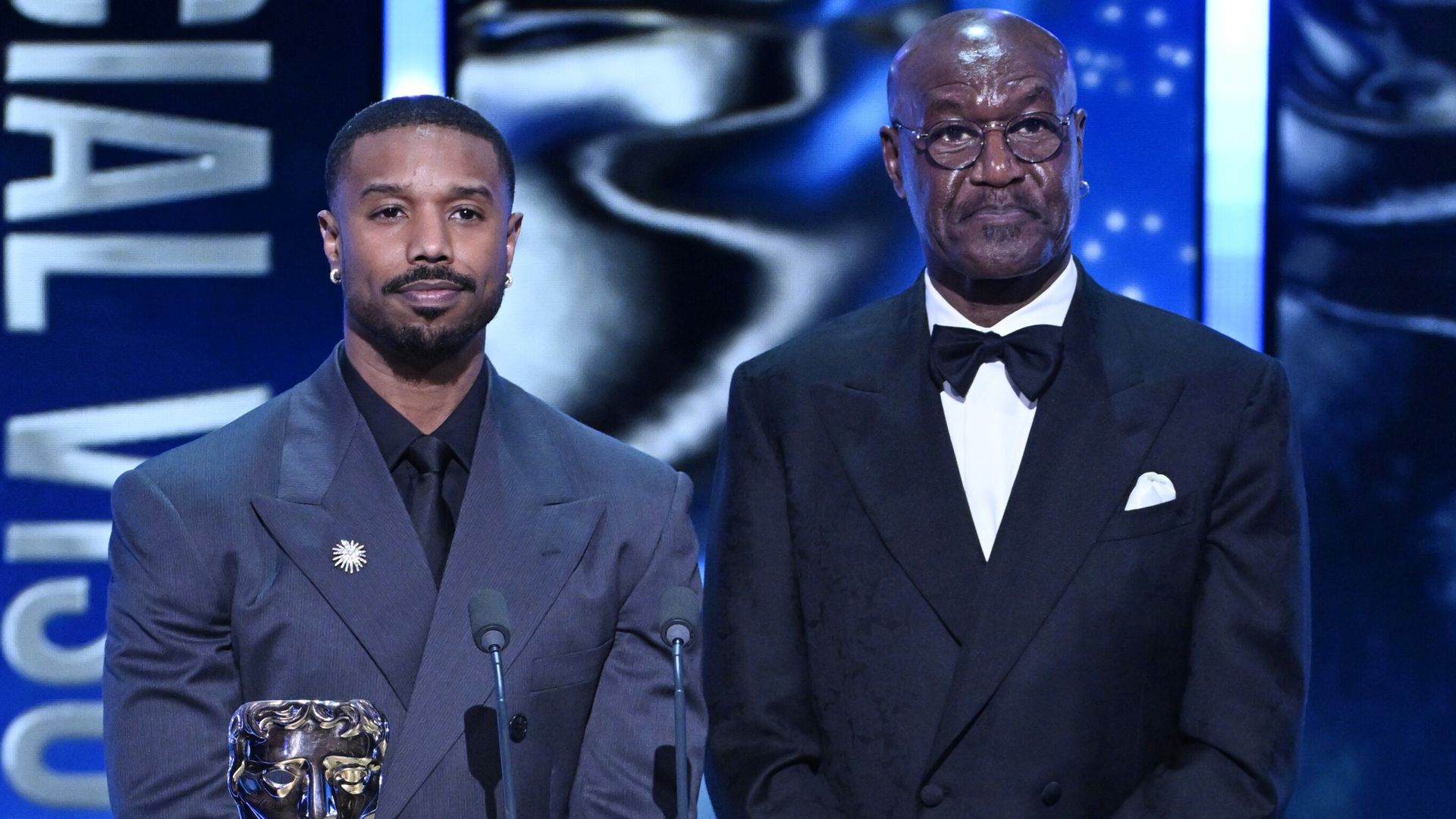
In April 2023, during a standard segment on BBC News Review, the air grew cold. The topic was the BAFTA TV Awards. Specifically, the discussion turned to the inclusion of a racial slur during a performance. Then, the unthinkable happened. The presenter didn't just report on the slur; they repeated it. Clearly. Audibly.
Silence followed in living rooms across the UK. It wasn't the silence of a technical glitch. It was the silence of a boundary being crossed.
The Weight of a Word
Words are not just collections of phonemes. They are historical artifacts. When a racial slur is broadcast into a home, it doesn't arrive as "data." It arrives as a physical blow to some and a sharp reminder of exclusion to others. The BBC's own editorial guidelines are explicit: the N-word is a term of such extreme offense that its use is almost never justified.
Yet, there it was.
The internal fallout was swift, though the public resolution took time. The BBC's Executive Editorial Complaints Unit (ECU) eventually ruled that the broadcast had breached editorial standards. They admitted the slur was "entirely unnecessary" for the audience to understand the story. This wasn't a case of a journalist caught in a crossfire or a historical documentary providing context. It was a failure of judgment in the heat of a routine review.
Statistically, the BBC receives thousands of complaints a year, but only a fraction reach the level of a formal "breach." In the 2022/23 reporting period, the ECU dealt with 456 complaints that were escalated beyond the initial stages. Of those, only a handful involve the highest levels of offensive language. This incident wasn't just a statistic; it was a high-profile crack in the institution’s armor.
The Invisible Stakes
Imagine a young journalist of color sitting in that newsroom. Let’s call her Sarah. Sarah has spent her career navigating the subtle nuances of "professionalism." She knows that her presence in the room is both a triumph and a tightrope walk. When she hears a senior colleague utter a slur—even under the guise of reporting—the room changes. The walls feel thinner. The "standard" she is told to uphold suddenly feels like it doesn't apply to the people in charge.
This is the human cost of an editorial lapse. It isn't just about the viewers who switched off their sets in disgust. It’s about the internal culture of an organization that prides itself on being the "gold standard" of global media. If the gatekeepers forget why the gates exist, the entire structure begins to wobble.
The ECU's finding emphasized that the presenter's use of the word lacked any "editorial justification." In the world of broadcasting, "justification" is the holy grail. You can show graphic violence if it serves the truth of a war zone. You can use strong language if it is central to a character’s identity in a drama. But in a news review? To describe an event that everyone already understood?
It was a slip of the tongue that revealed a vacuum of empathy.
The Anatomy of a Breach
When a breach occurs, the process is clinical. The ECU examines the transcript. They look at the "contextual cues." They weigh the "harm and offense" against the "public interest."
- The Transcript: The word was spoken without hesitation.
- The Context: A discussion about the BAFTAs, an event celebrating excellence, suddenly became a vessel for a slur.
- The Defense: Often, these moments are defended as "lapses in heat-of-the-moment live TV."
But "live TV" is exactly why the standards exist. The unpredictability of the medium requires a heightened state of awareness, not a relaxed one. The BBC’s response to the ECU ruling was a formal apology, noting that the presenter "regretted" the incident. But regret is a private emotion; a breach is a public failure.
Consider the data on public trust. According to Ofcom’s News Consumption in the UK reports, the BBC remains the most used news source, but trust levels have seen a steady, agonizing decline over the last decade. In 2018, trust in BBC News stood at roughly 71%. By 2023, it had dipped toward the mid-50s in certain demographics. Every time a standard is breached—especially one involving racial sensitivity—that percentage point drops a little further. It is a death by a thousand cuts.
The Echo in the Room
The problem with a slur on the airwaves is that it never truly disappears. It lingers in the archives. It lives on in the memories of the people who felt the sting of it. For many, the BBC is a member of the family—a constant presence in the kitchen or the car. When a family member says something unforgivable, the relationship is fundamentally altered.
The presenter in question wasn't a villain in a script. They were likely a seasoned professional who had a very bad day. But in the cathedral of public broadcasting, there is no room for "bad days" that compromise the dignity of the audience. The "invisible stakes" are the millions of British citizens who pay a license fee for the privilege of being respected.
The ECU’s ruling was a necessary correction, but it was also a cold one. It spoke of "standards" and "guidelines." It didn't speak of the grandmother in Birmingham who felt a sudden sharp pain in her chest when she heard that word on the "beeb." It didn't speak of the teenager who realized that the news didn't seem to care about people who looked like him.
Beyond the Apology
Apologies are the currency of the modern era, but they are often devalued. What matters more is the systemic shift. Following the ruling, the BBC stated it would use the incident as a "learning point" for editorial teams.
What does a "learning point" look like? It looks like a producer pausing before a segment to ask, "Is this necessary?" It looks like a presenter understanding that their voice is not just theirs—it is the voice of an empire, a history, and a community.
We live in a world where language is being weaponized at an alarming rate. Digital platforms are flooded with vitriol. In that chaos, the BBC is supposed to be the lighthouse. It is supposed to be the place where language is handled with the precision of a surgeon's scalpel. When the surgeon slips, the patient loses faith in the entire hospital.
The red light eventually turns off. The studio goes dark. The microphones are muted. But the words spoken while that light was on continue to ripple outward, touching lives and shaping perceptions in ways that a formal report from a complaints committee can never fully capture.
The ghost of that broadcast remains, a reminder that in the world of words, there is no such thing as "just a mistake." There is only the truth, and the care we take to protect it.
A word, once spoken, belongs to the world. And the world remembers.