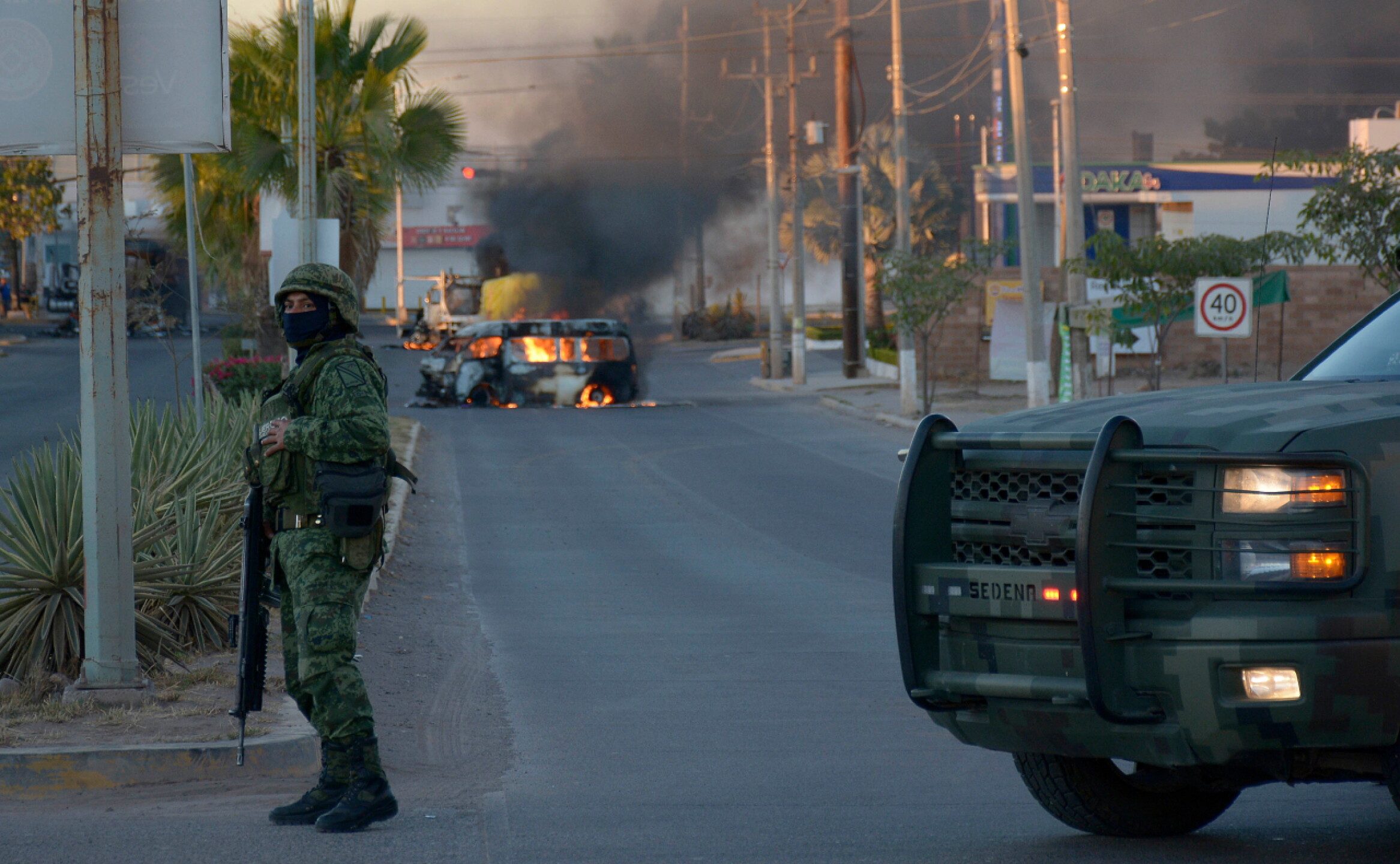
Berlin isn't just asking for a stronger European defence anymore. It's sounding the alarm. For decades, the German government operated under a comfortable blanket of pacifism and cheap energy, but those days ended the moment tanks rolled across the Ukrainian border. Now, we’re seeing a massive shift in how the continent’s biggest economy views its role in protecting its neighbors.
It isn't about some abstract idea of "unity." It’s about survival in a world where the old security guarantees look shakier by the day. If you’ve been watching the headlines, you know the German Chancellor and his cabinet have spent the last few months hammering home one point: Europe must be able to defend itself without constantly looking toward Washington for permission or protection. Meanwhile, you can find other stories here: Brazilian Labor Market Structural Shifts and the 6.1 Percent Unemployment Threshold.
The end of the peace dividend
For thirty years, Germany treated its military like a neglected insurance policy. They paid the bare minimum and hoped they'd never need to file a claim. That approach turned the Bundeswehr into a force that struggled with basic readiness. We're talking about helicopters that couldn't fly and submarines that stayed in the docks.
That mindset is dead. Berlin’s recent push for a stronger European defence architecture isn't a suggestion; it’s a necessity born from a stark realization. Russia isn't going back to the status quo. The "Zeitenwende" or "turning point" that Chancellor Olaf Scholz announced wasn't just a fancy speech for the cameras. It was an admission that the entire German security model was broken. To understand the full picture, we recommend the excellent article by Reuters.
Germany is now pushing for a massive increase in domestic spending while simultaneously trying to herd the rest of the European Union into a more cohesive fighting force. They’re finally hitting that 2% GDP target for NATO spending, something that seemed impossible just five years ago. But spending money is the easy part. Changing the culture of an entire continent's military industrial complex is where the real fight starts.
Why the American umbrella feels smaller
You can't talk about European defence without talking about the United States. For a long time, Europe’s strategy was basically "wait for the Americans." But the political reality in the U.S. has changed. Whether it’s a shift toward the Indo-Pacific or internal political friction, Berlin sees the writing on the wall. They know they can't bet their entire existence on the outcome of a U.S. election every four years.
This isn't an anti-American move. It’s a pragmatic one. By urging a stronger European defence, Berlin is trying to make Europe a more "capable" partner. They want a continent that can handle its own backyard so that the trans-Atlantic alliance doesn't buckle under the weight of one-sided expectations.
The goal is strategic autonomy. It’s a term that gets thrown around a lot in Brussels, but for Germany, it means having the actual hardware—the tanks, the jets, and the ammunition stocks—to deter an aggressor without needing a 10-hour flight from North Carolina to save the day.
Fixing a fragmented mess
Right now, European defence is a chaotic patchwork. Imagine a company where every department uses a different computer system that can’t talk to the others. That’s the European military situation. You have dozens of different tank models, various fighter jets, and logistics chains that stop at national borders.
Berlin is pushing for several key changes to fix this:
- Joint procurement. Instead of every country buying their own bespoke equipment, they want the EU to buy in bulk. This lowers costs and makes sure everything works together on the battlefield.
- Unified command structures. Germany has already started integrating its units with the Dutch military. It’s a blueprint for what they want to see across the continent.
- A focused industrial base. They want to stop competing with each other and start building a European industry that can actually compete with the U.S. and China.
It’s about efficiency. When every country tries to build its own "sovereign" fighter jet, they end up with a billion-dollar headache. Berlin is tired of the waste. They’re advocating for a "European first" mentality when it comes to the checkbook.
The obstacles in the way
Don't think this is all smooth sailing. Historical baggage is a heavy weight in Europe. When Germany talks about leading a military charge, people get nervous. It's a weird paradox. The neighbors want Germany to lead because it has the money and the industrial might, but they’re also terrified of what a dominant German military might mean for the balance of power in the EU.
Then there’s France. Paris has always wanted a strong European defence, but they want it to look French. Germany tends to be more Atlanticist, keeping one eye on NATO at all times. Squaring that circle—making the French and German visions line up—is the biggest diplomatic challenge Berlin faces.
There’s also the issue of the "eastern flank." Countries like Poland and the Baltics don’t just want "European defence." They want cold, hard security. They’ve been skeptical of Berlin’s slow start to supporting Ukraine, and they aren't going to trade a U.S. security guarantee for a German one unless they’re 100% sure Berlin will actually show up when the shooting starts.
What this means for the average citizen
You might wonder why this matters if you aren't a policy wonk. It matters because of where the money goes. We're talking about hundreds of billions of Euros. That’s money that isn't going into schools, healthcare, or green energy.
Berlin’s shift means a more militarized economy. It means the return of defense as a primary pillar of government policy. It also means a more assertive Europe on the global stage. If Germany succeeds in building this stronger defence pillar, the EU becomes a much more serious player in geopolitics. It’s no longer just a trade bloc with a nice flag; it becomes a power center that can actually project force.
Putting the pieces together
The push from Berlin isn't a trend. It's a structural realignment. To see how this plays out, watch the upcoming budget cycles in the EU. Watch whether the European Sky Shield Initiative—Germany’s plan for a continent-wide air defence system—gets more takers.
If you want to track the progress, look at these three things:
- The Tank Project. Watch the development of the Main Ground Combat System (MGCS). If Germany and France can actually build this tank together without killing each other, European defence is real.
- Ammunition Production. The talk is over. If the factories aren't churning out 155mm shells at a massive scale by next year, the "stronger defence" rhetoric is just hot air.
- The Polish Connection. See if Berlin can bridge the trust gap with Warsaw. A European defence without Poland is just a Western European club.
Berlin is moving. They’re finally realizing that you can’t lead a continent if you’re too afraid to carry a shield. The transition is messy, expensive, and politically risky, but for the first time in a generation, the powerhouse of Europe is actually acting like it.
Check the news for updates on the European Defence Fund. See which nations are signing onto joint drone projects. The shift is happening right now. Pay attention to the procurement contracts, not just the speeches. That's where the real story lives.