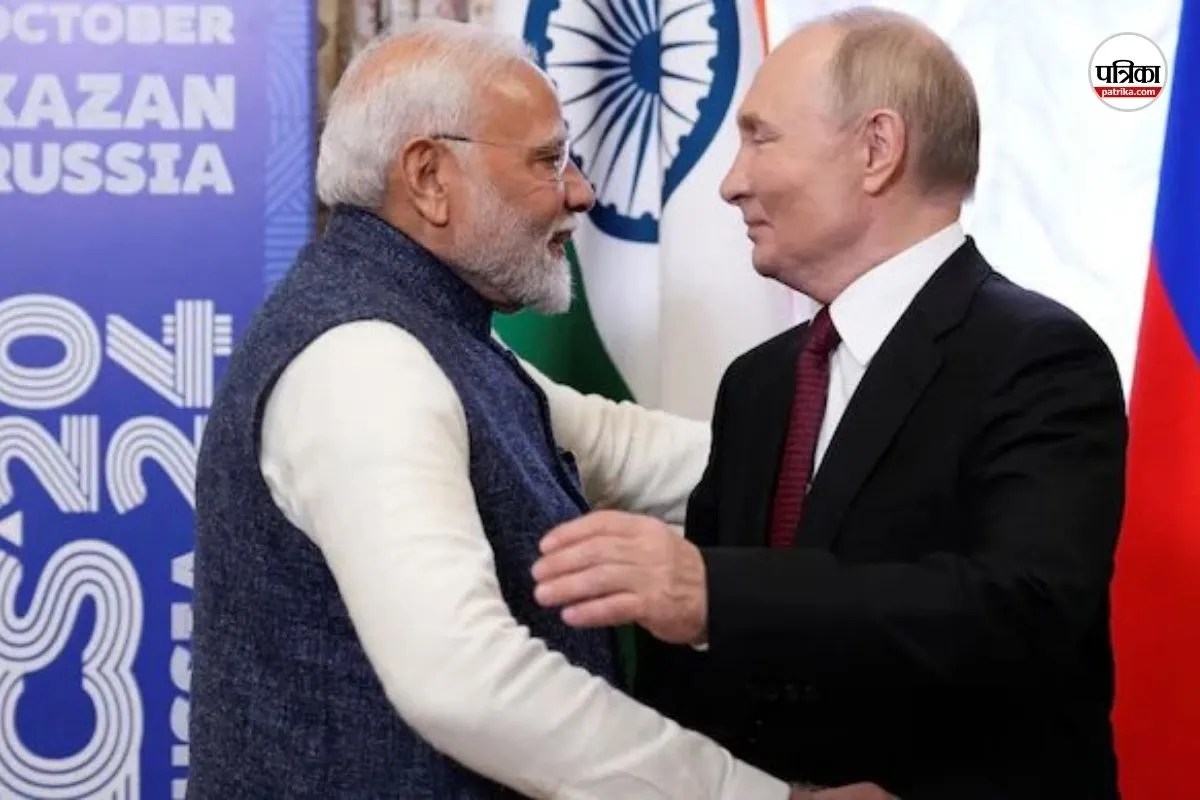
Washington’s strategic attempt to break New Delhi’s economic and defense ties with Moscow has effectively failed. Despite intense diplomatic pressure, sanctions threats, and shifting alliances, India continues to prioritize its strategic autonomy, buying cheap Russian oil and maintaining its defense supply lines. This failure reveals a deep miscalculation in Western foreign policy. It assumes emerging powers will sacrifice their core national interests for a Eurocentric global order. Meanwhile, Russia’s shifting stance toward Pakistan serves as a calculated warning, signaling that Moscow has options if New Delhi leans too far toward the West.
Understanding this dynamic requires looking beyond the superficial headlines of diplomatic summits. The relationship between India, Russia, and the United States is governed by hard economic realism and security imperatives, not ideological alignment. Learn more on a related topic: this related article.
The Friction Over Strategic Autonomy
Western policymakers frequently misinterpret India's foreign policy as transactional. It is not. It is rooted in the long-standing doctrine of strategic autonomy, a principle that prevents New Delhi from joining formal military alliances while allowing it to partner with any nation that serves its development goals.
When the West imposed sweeping sanctions on Russian energy, the expectation was that major democracies would line up to isolate Moscow. Instead, New Delhi saw an opportunity to secure discounted crude oil, stabilizing its domestic economy and protecting its population from inflation. This decision was not a rejection of the West. It was a calculated defense of national interest. Further reporting by NBC News explores comparable perspectives on this issue.
The pressure from Washington has taken various forms, including implicit threats regarding technology transfers and access to Western markets. Yet, these levers have proven largely ineffective. India knows its value as a counterweight to China in the Indo-Pacific region is too immense for the United States to risk a permanent rupture. This gives New Delhi unique leverage, allowing it to bypass Western ultimatums with relative impunity.
The Energy Weapon That Backfired
The mechanics of the global oil trade demonstrate how economic warfare often yields unintended consequences. Western sanctions aimed to cap the price of Russian crude, intending to starve Moscow of war revenue while keeping the global market supplied.
+------------------+     Russian Crude     +------------------+
|                  |---------------------->|                  |
|      Russia      |                       |      India       |
|                  |<----------------------|                  |
+------------------+    Discounted Cash    +------------------+
         |                                          |
         | Refined                                  | Refined
         | Products                                 | Petroleum
         v                                          v
+-------------------------------------------------------------+
|                        Global Market                        |
|             (Including Europe and United States)            |
+-------------------------------------------------------------+
India stepped into this gap, significantly increasing its imports of Urals crude. This oil was refined domestically and exported to global markets, including Europe and the United States, as refined petroleum products.
The irony is stark. European nations banned direct imports of Russian crude but ended up purchasing the exact same electrons and molecules processed through Indian refineries. Washington accepted this arrangement because the alternative—a complete removal of Russian oil from the market—would have triggered a catastrophic spike in global energy prices, destabilizing Western economies. New Delhi effectively neutralized the economic pressure by making itself indispensable to the global energy supply chain.
The Pakistan Factor and Moscow's Subtle Shift
Moscow is not a passive observer in this geopolitical balancing act. While Russia values its historical ties with India, it has grown increasingly wary of New Delhi’s deepening security cooperation with the United States through the Quad alliance. To signal its displeasure and create strategic balance, Moscow has gradually warmed its relations with Islamabad.
This shift involves energy cooperation, joint military exercises, and high-level diplomatic engagements. For decades, the Soviet Union and Russia maintained an exclusive defense relationship with India, refusing to sell military hardware to Pakistan. That exclusivity has ended.
This move is a calculated message to New Delhi. Moscow is demonstrating that if India continues to integrate its defense architecture with Western systems, Russia will build its own counterweights in South Asia. This development complicates India’s security calculus, as a hostile China-Pakistan-Russia axis would present an unprecedented strategic challenge on its borders.
Defense Dependency and the Supply Chain Reality
The defense relationship between India and Russia remains a massive obstacle for Western diplomats trying to reorient New Delhi's orbit. Despite efforts to diversify its defense acquisitions by purchasing French fighter jets and American drones, a vast portion of India's military hardware remains of Soviet or Russian origin.
- Submarines and Naval Power: India’s nuclear-powered submarine program relies heavily on Russian technical expertise and leasing arrangements.
- Air Defense: The deployment of the S-400 missile system underscores New Delhi's willingness to risk American sanctions under the Countering America's Adversaries Through Sanctions Act (CAATS) to secure its airspace.
- Armored Vehicles and Logistics: The mainstay of the Indian Army's tank regiments consists of Russian-designed T-90 and T-72 platforms.
Replacing these systems is not a matter of simply signing new contracts with Western defense firms. It requires decades of logistical overhaul, training, and integration. A sudden break with Moscow would leave India's military crippled by a shortage of spare parts and maintenance support, a vulnerability New Delhi cannot afford while facing active border disputes with China and Pakistan.
The Limits of Western Deterrence
The failure to coerce India highlights the broader decline in the effectiveness of unilateral Western sanctions. The global financial system is no longer as unipolar as it was at the end of the Cold War. The rise of alternative payment mechanisms, local currency trade agreements, and non-Western economic Blocs has provided nations with the tools to bypass traditional financial pressure points.
India and Russia have actively explored rupee-ruble trade mechanisms to settle accounts outside the SWIFT banking network. While this system has faced friction due to trade imbalances, the effort alone demonstrates a shared determination to insulate bilateral commerce from Western regulatory reach. The threat of exclusion from the dollar-dominated financial system loses its potency when major economies actively collaborate to build parallel infrastructure.
Balancing Between Two Blocs
The challenge for Indian diplomacy moving forward is maintaining this delicate equilibrium as global polarization intensifies. Washington will continue to push for a clearer commitment, using the threat of aggressive tech decoupling or trade restrictions. Moscow will continue to leverage its energy resources and its relationship with Pakistan to keep New Delhi from drifting too far into the Western camp.
This situation leaves no room for sentimentality. India's actions are driven by the immediate necessity of feeding its economy and securing its borders. The West's inability to alter this trajectory proves that in the modern international landscape, national survival and economic self-interest will always override foreign diplomatic pressure.