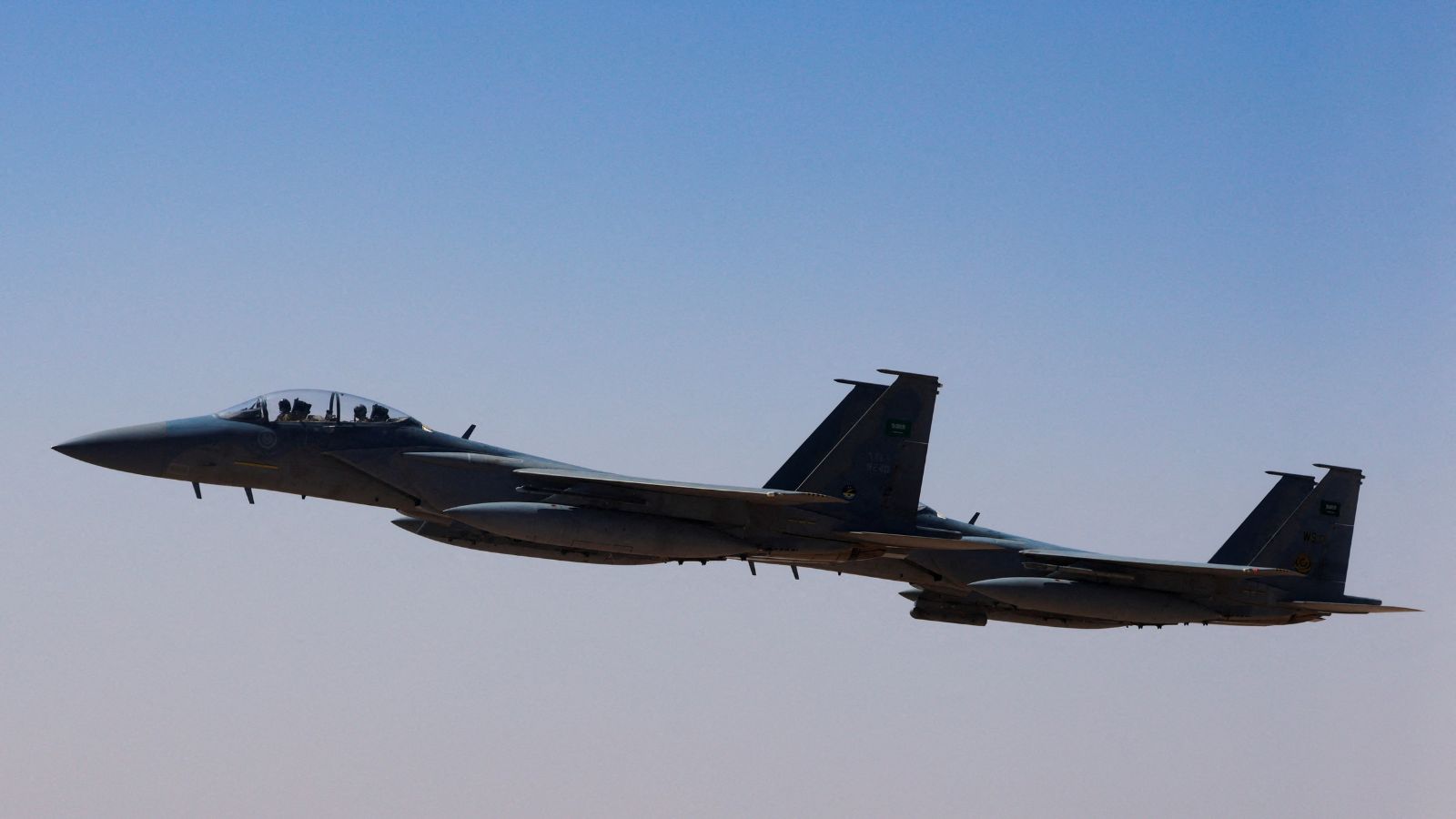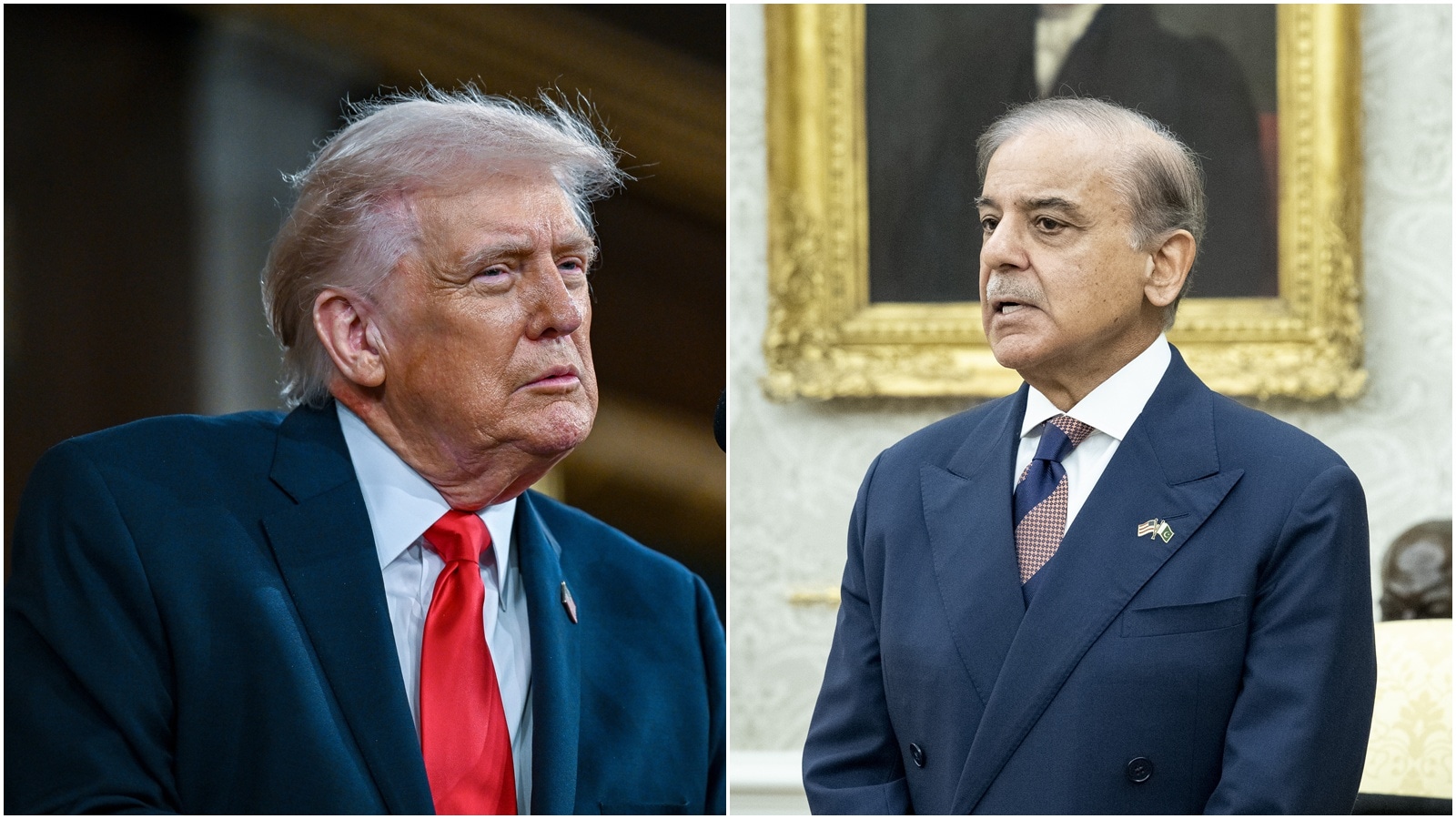
The denial issued by the Pakistan Ministry of Foreign Affairs regarding the presence of Iranian fighter jets on its soil is not merely a technical rebuttal; it is a calculated defense of Pakistan’s "Neutrality Buffer." In the triad of relations between Washington, Tehran, and Islamabad, Pakistan’s primary strategic objective is the prevention of kinetic spillover from the Iran-Israel-U.S. escalation. By labeling reports of sheltering Iranian assets as "misleading," Islamabad is signaling to the Pentagon that its territory remains a non-combatant zone, thereby preserving its eligibility for U.S. security assistance while simultaneously avoiding a breach with its western neighbor.
The intersection of Donald Trump’s endorsement of Pakistan as a "mediator" and the Iranian jet controversy reveals a shift in the regional power logic. Islamabad is transitioning from a traditional security client to a structural intermediary. This transition is governed by three specific variables: the preservation of the CPEC (China-Pakistan Economic Corridor) energy security, the mitigation of sectarian domestic friction, and the maintenance of the IMF-driven economic stabilization program.
The Triangulation Framework: Sovereignty versus Proximity
The rumors of Iranian Su-24s or F-4s seeking sanctuary in Pakistan must be analyzed through the lens of Operational Depth. For Iran, dispersed basing in a neighboring state would theoretically provide a "second strike" capability or protect high-value assets from a pre-emptive Israeli strike. However, for Pakistan, the cost-benefit analysis of such an arrangement is net-negative.
The Cost of Violation
If Pakistan were to host Iranian military hardware during an active conflict, it would face a direct violation of its "Major Non-NATO Ally" (MNNA) status. The structural consequences include:
- Immediate Sanction Triggers: Under the Countering America's Adversaries Through Sanctions Act (CAATSA), any significant transaction or military cooperation with Iran would freeze Pakistan’s access to the U.S. financial system.
- Intelligence Degradation: The withdrawal of technical cooperation and satellite data sharing from Western partners.
- Kinetic Risk: The conversion of Pakistani airbases into legitimate targets for the Israeli Air Force (IAF), which has demonstrated a willingness to strike Iranian assets regardless of national borders.
Islamabad’s vehement denial serves as a de-escalation signal intended to prevent a "pre-emptive miscalculation" by regional actors.
The Trump Factor and the Mediation Premium
The endorsement of Islamabad as a mediator by Donald Trump represents a departure from the "Do More" era of the late 2010s. This shift suggests a recognition of Pakistan’s unique leverage over the Taliban-led Afghanistan and its functional, albeit cold, relationship with Tehran.
The Mediation Value Chain
To understand why a mediator role is preferred over a combatant role, we must examine the Mediation Value Chain:
- Information Arbitrage: Pakistan possesses ground-level intelligence on Iranian IRGC movements and Afghan border dynamics that the U.S. lacks.
- De-escalation Channels: Islamabad provides a "gray-zone" for backchannel communications when formal diplomacy between Washington and Tehran is politically impossible.
- Neutrality Dividends: By positioning itself as the "cooler head," Pakistan can negotiate for debt restructuring and military hardware upgrades as the price for regional stability.
The "Mediator" label functions as a protective shield. It allows Pakistan to refuse Iranian requests for basing (on the grounds of maintaining neutrality) while simultaneously refusing U.S. requests for offensive basing against Iran (on the same grounds).
Border Dynamics and the Balochistan Variable
The technical reality of the Pakistan-Iran border (the Goldsmith Line) dictates the military strategy of both nations. The 900km border is porous and heavily influenced by the insurgency in Balochistan.
The presence of Iranian jets would not just be a diplomatic issue; it would be a logistical impossibility without Chinese or Russian oversight. Pakistan’s air defense network, primarily built on a combination of American F-16s and Chinese JF-17s, is configured for a high-intensity conflict on its eastern border. Integrating Iranian sorties into this airspace would create a "Deconfliction Nightmare."
- IFF (Identification Friend or Foe) Incompatibility: Pakistani radar systems, synced with Western and Chinese protocols, would struggle to differentiate between Iranian jets and incoming threats without a complete overhaul of the air traffic architecture.
- Resource Diversion: Protecting Iranian assets would require the diversion of the Pakistan Air Force (PAF) from the Line of Control (LoC), leaving the eastern flank vulnerable to Indian maneuvers.
Economic Dependencies as a Strategic Constraint
Pakistan’s current economic fragility acts as a hard ceiling on its foreign policy adventurism. The Extended Fund Facility (EFF) from the IMF requires a degree of geopolitical compliance that precludes sheltering the assets of a sanctioned state like Iran.
The Sovereign Debt Ceiling on Defense Policy
The "Debt-to-Security Correlation" suggests that as a nation’s debt-to-GDP ratio exceeds 70%, its ability to engage in independent military alignments diminishes. Pakistan’s necessity for rolling over billions in GCC (Gulf Cooperation Council) and Chinese debt means it cannot alienate Riyadh or Washington. Since Saudi Arabia views Iranian military expansion with extreme prejudice, any Pakistani move to harbor Iranian jets would result in the immediate withdrawal of Saudi central bank deposits.
This creates a Binary Choice Matrix:
- Path A (Shelter Iran): Gain temporary regional ideological capital; Lose IMF support, Lose GCC deposits, face U.S. sanctions. Result: Total Economic Collapse.
- Path B (Maintain Neutrality): Deny rumors, facilitate backchannel talks. Result: Continued IMF flow, maintained U.S. security ties, avoided kinetic involvement.
Pakistan has logically and consistently chosen Path B.
Analyzing the Misinformation Pipeline
The origin of "misleading claims" regarding the Iranian jets often stems from "OSINT" (Open Source Intelligence) accounts or regional rivals seeking to force a rift between Islamabad and Washington. By floating the narrative that Pakistan is "siding" with Iran, these actors aim to trigger U.S. Congressional inquiries that could freeze military aid.
The Anatomy of the Denial
The Ministry of Foreign Affairs’ phrasing was "categorically rejected." In diplomatic nomenclature, this is the highest level of denial. It is designed to be cited in future U.S. State Department briefings as a definitive legal stance. This denial isn't for the Iranian public; it is for the U.S. House Committee on Foreign Affairs.
Strategic Forecast: The Buffer State Evolution
Pakistan will continue to expand its role as a "Strategic Pivot." The goal is to move away from being a frontline state in the War on Terror and toward being a "Regional Stabilizer."
The logic of this evolution requires:
- Enhanced Border Fencing: To prevent non-state actors from triggering a conflict between Tehran and Islamabad.
- Diversified Energy Procurement: Navigating the Iran-Pakistan gas pipeline project through technical waivers rather than overt defiance.
- Multilateralism: Utilizing the Shanghai Cooperation Organization (SCO) as a forum to manage Iranian relations under the umbrella of Chinese influence, thereby diluting direct bilateral friction.
The most effective strategy for Pakistan is the maintenance of "Strategic Ambiguity" regarding its capabilities, while providing "Tactical Clarity" regarding its intentions. Islamabad will not host Iranian jets because the structural costs of doing so far outweigh any perceived ideological or security benefits. The move to mediator is not a gesture of goodwill; it is a survival mechanism designed to insulate a fragile economy from a regional firestorm.
The immediate tactical priority for Western analysts is to monitor the frequency of U.S. Central Command (CENTCOM) visits to Rawalpindi. If these visits remain high while public denials of Iranian cooperation continue, it confirms that the "Neutrality Buffer" is functioning as intended. Any deviation—such as a decrease in U.S. technical aid—would signal that the "misleading claims" have begun to erode the foundational trust of the MNNA relationship.