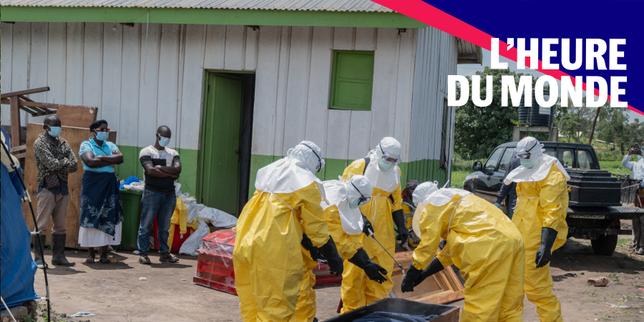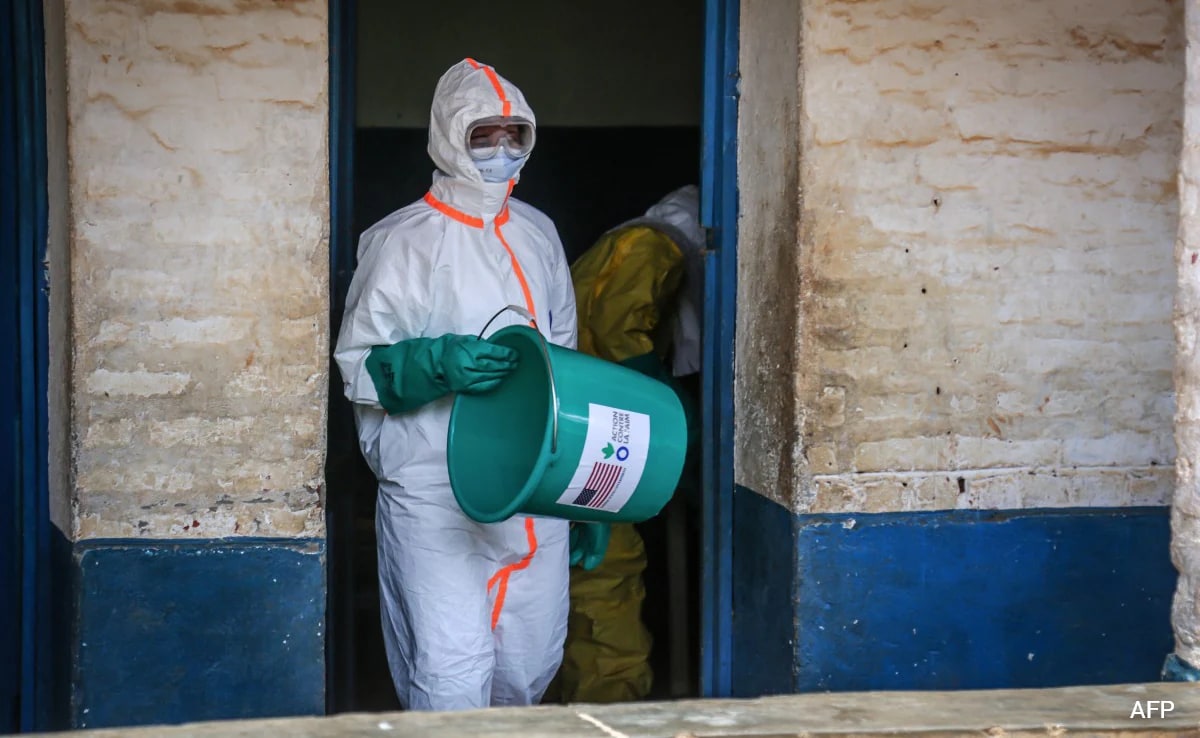
Epidemiological containment in active conflict zones fails not because of medical scarcity, but because of a failure to calculate the social friction coefficient of the intervention itself. Traditional public health narratives categorize local non-compliance, suspicion, and hostility during outbreaks as irrational cultural byproducts. This structural misdiagnosis ignores the reality that biosecurity protocols often operate as extractive, top-down disruptions that conflict directly with local survival calculus. When an epidemic response team enters an unstable region like the eastern Democratic Republic of Congo (DRC), it inserts an international infrastructure into a pre-existing ecosystem of deep institutional distrust and prolonged geopolitical abandonment (Muzembo et al., 2020). By treating public health interventions purely as biological operations rather than socio-political disruptions, international actors inadvertently maximize local resistance, turning medical deployment into a vector of civil friction.
To optimize outbreak interventions in highly volatile environments, international health agencies must move past subjective media descriptions of "anger" and "suspicion" and systematically evaluate the institutional, economic, and operational dynamics driving community friction.
The Three Pillars of Public Health Friction
Active community resistance during a health crisis is a predictable response driven by structural factors. This friction is generated by three distinct, compounding variables within the intervention ecosystem.
1. Institutional Asymmetry and Selective Intervention
The sudden arrival of heavily funded international medical teams creates a stark paradox for populations living in chronic neglect. For decades, communities in the eastern DRC face systemic violence, state absence, and a complete lack of basic primary healthcare, clean water, and physical security. When millions of dollars are deployed overnight to combat a single pathogen—Ebola—while concurrent threats like measles, cholera, and malaria continue to kill unhindered, a deep cognitive dissonance occurs (Mbah, 2025).
Local populations naturally deduce that the intensive biosecurity response is not designed to save local lives, but to insulate global capitals from external biological threats. This institutional asymmetry turns the medical intervention into an exogenous imposition, fueling the rational conclusion that the epidemic response serves external geopolitical agendas rather than local welfare (Muzembo et al., 2020).
2. The Biosecurity Cost Function
Standard epidemiological protocols impose a high, non-reimbursable cost on individual and collective survival strategies. Within a highly vulnerable informal economy, compliance with quarantine, isolation, and medical observation carries a direct penalty:
- Destruction of Capital: Traditional livelihoods rely heavily on daily cross-border migration, agricultural labor, and localized market trading. Enforced isolation strips an individual of their immediate earning capacity, with no financial safety net to compensate for the loss.
- Disruption of Social Safety Nets: Standard Ebola Virus Disease (EVD) protocols prohibit traditional, highly tactile funerary practices (Musoke et al., 2025). In many communities, these burial traditions are not optional cultural preferences; they are essential mechanisms for maintaining familial lineage, community cohesion, and local social safety nets.
- The Isolation Penalty: Forquing local support networks to hand over an infected family member to an isolated Ebola Treatment Center (ETC)—where clinical mortality rates have historically been high—presents an unacceptable risk profile to the family unit (Masumbuko Claude et al., 2019).
3. Exploitation of the Information Vacuum
In environments with highly fractured governance, information is weaponized by local and regional political factions. In the absence of transparent communication channels from trusted local actors, rumors and denial function as adaptive tools for communities seeking autonomy from external control (Masumbuko Claude et al., 2019). Pathogens are frequently framed as manufactured political tools designed to delay provincial elections, siphon international donor funds, or facilitate under-the-table resource extraction (Onyeneho et al., 2023).
When health agencies attempt to override these narratives using aggressive, top-down public messaging campaigns, they confirm local suspicions of external manipulation. This dynamic transforms a localized biological outbreak into a highly polarized political battlefield.
The Containment Bottleneck: A Cause-and-Effect Analysis
The persistence of Ebola transmission chains in conflict zones is driven by a distinct feedback loop where standard biosecurity interventions inadvertently trigger social resistance, directly undercutting epidemiological containment.
[Top-Down Biosecurity Intervention]
               │
               ▼
[Imposition of Coercive Protocols]
               │
               ▼
[Increased Local Cost & Alienation]
               │
               ▼
[Active Avoidance & Clandestine Burials]
               │
               ▼
[Amplified Transmission Chains] ───(Resets and intensifies the loop)
The loop begins when an outbreak response relies on coercive or highly visible military-backed biosecurity measures. This heavy-handed posture causes immediate alarm, driving symptomatic individuals to actively avoid detection by the formal healthcare apparatus. Instead of reporting to specialized treatment centers, patients seek care from informal, hidden traditional healers or untracked local clinics that lack adequate infection prevention and control infrastructure (Muzembo et al., 2020).
This avoidance behavior severely compromises epidemiological tracking. Contact tracers lose the ability to map transmission vectors, rendering targeted ring-vaccination strategies ineffective because primary contacts can no longer be accurately identified or monitored (Masumbuko Claude et al., 2019). As a direct result, community members resort to clandestine, unsafe home care and traditional burials for the deceased, which are highly efficient vectors for transmission due to the extreme viral load present in post-mortem bodily fluids (Musoke et al., 2025).
When these hidden transmission chains cause a spike in local infections, international health agencies typically respond by doubling down on their rigid, top-down enforcement strategies. This aggressive response deepens community mistrust, solidifying the gridlock and extending the duration of the epidemic.
Structural Limitations of Current Intervention Models
The primary weakness of standard international response blueprints lies in their operational isolation. Interventions are built as vertical, single-disease structures designed to operate independently of the surrounding social and medical landscape.
A critical vulnerability within this approach is the systematic exclusion of local healthcare workers and traditional leadership structures from the primary decision-making framework (Mwamba, 2026). When international organizations establish parallel administrative, logistical, and medical systems, they bypass and undermine the existing local health infrastructure. Local doctors, nurses, and community health volunteers find themselves relegated to low-tier tasks, while external personnel command the resources and strategy (Musoke et al., 2025). This operational exclusion alienates the precise actors who possess the cultural authority and community trust needed to validate health metrics and implement behavioral changes.
Furthermore, these vertical models fail to account for the clear limitations of relying on hard security assets, such as state military escorts or UN peacekeeping forces, to protect medical teams. While armed protection may secure physical transit through volatile areas, it fundamentally compromises the neutrality of the public health mission. In a civil conflict zone, aligning health workers with state military forces instantly casts the medical response as an extension of the state's counter-insurgency apparatus (Muzembo et al., 2020). Consequently, medical facilities and health personnel are transformed into legitimate political targets for armed rebel groups, driving up security risks and severely restricting access to vulnerable populations.
Tactical Reconfiguration for High-Friction Environments
To break this cycle of transmission and resistance, public health strategies must move away from top-down enforcement and transition to a decentralized, integrated containment framework.
Decentralize Clinical Isolation Architecture
International agencies must replace centralized, highly visible Ebola Treatment Centers with smaller, low-profile isolation units integrated directly into existing, trusted community health centers. These decentralized units should allow family members to safely see and communicate with hospitalized patients through transparent protective barriers. This structural shift demystifies clinical care, strips away the terror of isolation, and lowers the bar for early voluntary admissions.
Transition to Co-Designed, Safe, and Dignified Burials
Response teams must cede operational control over funerary protocols to local religious and traditional authorities. Rather than deploying armed, biohazard-suited teams to forcibly seize bodies, the response must equip local community leaders with the training, personal protective equipment, and resources required to perform safe burials that still honor local traditions (Musoke et al., 2025).
Establish a Comprehensive Health Delivery Model
Epidemiological containment must be bundled with immediate, tangible investments in local primary healthcare. Medical deployments must allocate a fixed percentage of their operational budgets to treat co-occurring endemic diseases such as malaria, cholera, and severe acute malnutrition (Mbah, 2025). Providing comprehensive care proves a genuine commitment to local survival, neutralizing the suspicion that accompanies vertical, single-disease interventions.
Pivot to Bottom-Up, Localized Risk Communication
All risk communication must be routed through pre-existing local governance networks, youth associations, and women’s collectives, rather than top-down international media broadcasts (Mwamba, 2026). This requires establishing transparent feedback loops where community grievances and structural concerns are systematically logged, processed, and addressed to adjust field operations in real time (Musoke et al., 2025).
The long-term success of an epidemic response in a conflict-ridden environment depends entirely on an agency's ability to minimize social friction. If international interventions continue to treat local communities merely as biological populations to be policed rather than essential partners to be empowered, containment efforts will continue to fracture against the reality of local resistance.
References
Masumbuko Claude, K., Underschultz, J., & Hawkes, M. T. (2019). Social resistance drives persistent transmission of Ebola virus disease in Eastern Democratic Republic of Congo: A mixed-methods study. PLOS ONE, 14(9), e0223104. https://doi.org/10.1371/journal.pone.0223104
Cited by: 103
Mbah, P. T. (2025). Responses to health messages in a concurrent multiple infectious disease outbreak and post-conflict context [Doctoral dissertation, Purdue University]. Purdue University Hammer Repository.
Cited by: 1
Musoke, D., et al. (2025). Barriers to community engagement during the response to an Ebola virus disease outbreak in Uganda. BMJ Global Health, 10(3), e017285. https://doi.org/10.1136/bmjgh-2025-017285
Cited by: 5
Mwamba, D. K. (2026). Current experiences and practices of surveilling and managing Ebola virus disease outbreaks in the Democratic Republic of Congo by involving the community in a “One Health” approach. Journal of One Health Progress, 1(1), 3-15. https://doi.org/10.3390/johp1010003
Cited by: 0
Muzembo, B. A., Ntontolo, N. P., Ngatu, N. R., Khatiwada, J., Ngombe, K. L., Numbi, O. L., Nzaji, K. M., Maotela, K. J., Ngoyi, M. J., Suzuki, T., Wada, K., & Ikeda, S. (2020). Local perspectives on Ebola during its tenth outbreak in DR Congo: A nationwide qualitative study. PLOS ONE, 15(10), e0241120. https://doi.org/10.1371/journal.pone.0241120
Cited by: 37
Onyeneho, N. G., Aronu, N. I., Igwe, I., Okeibunor, J., Diarra, T., Diallo, B., Hamadou, B., Rodrigue, B., Djingarey, M. H., Yoti, Z., Konan Yao, M. N., Fall, S., Chamla, D., & Gueye, A. S. (2023). Two obstacles in response efforts to the Ebola epidemic in the provinces of North Kivu and Ituri in the Democratic Republic of the Congo: Denial of and rumors about the disease. Journal of Immunological Sciences, S3(4), 44-57. https://doi.org/10.29245/2578-3009/2023/s3.1104
Cited by: 0