France just escalated its enforcement of maritime sanctions, and Moscow is furious.
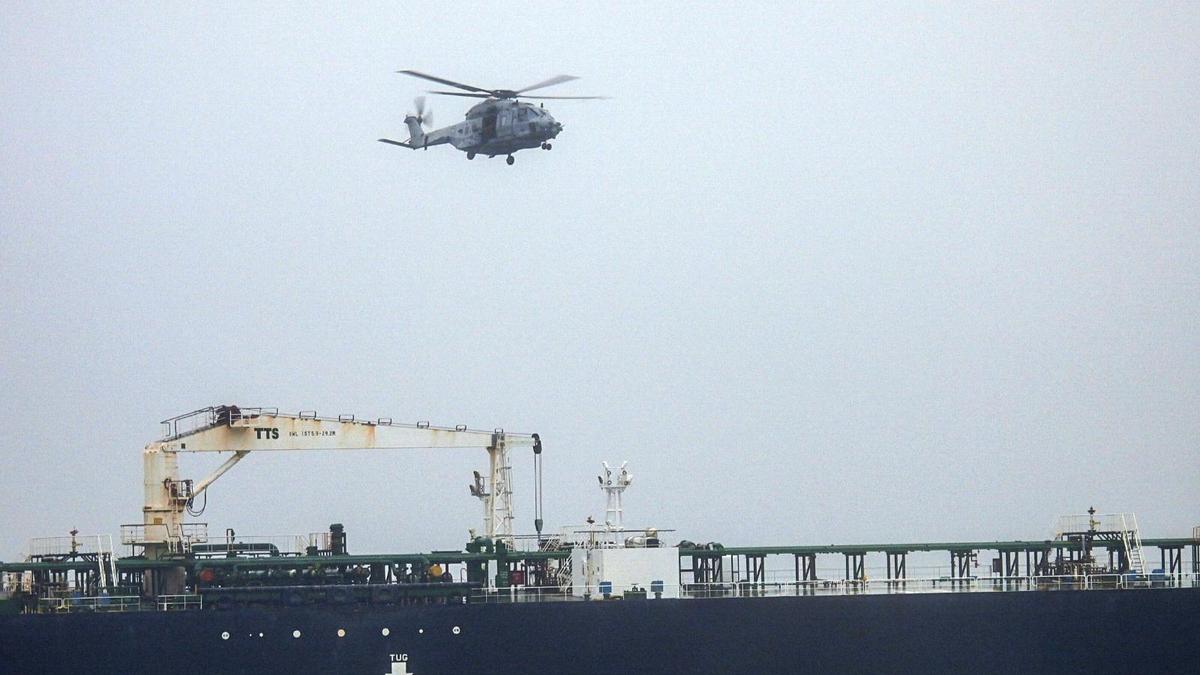
French authorities recently intercepted a commercial vessel in the English Channel, diverting it to the port of Boulogne-sur-Mer. This wasn't a routine safety check. It was a targeted enforcement action tied to sweeping European Union sanctions. The move quickly turned into a diplomatic flashpoint when French officials detained the ship's captain, prompting an immediate and aggressive response from the Russian embassy.
If you think this is just a minor legal dispute over shipping lanes, you're missing the bigger picture. This incident signals a major shift in how European nations police international waters. They aren't just targeting corporate assets anymore. They're going after the individuals who keep the supply lines moving.
The English Channel Standoff
The vessel at the center of this storm is the Baltic Leader, a 127-meter cargo ship flying the Russian flag. It was en route from Rouen, France, carrying a cargo of new cars bound for St. Petersburg. French maritime police intercepted the vessel in the early hours of Saturday morning. They invoked new EU regulatory powers that allow for the seizure of assets linked to targeted Russian entities.
According to French maritime authorities, the ship belongs to a subsidiary of Promsvyazbank. That's a prominent Russian financial institution explicitly placed on the EU sanctions blacklist. Under the terms of the sanctions framework, any property owned or controlled by these blacklisted entities within EU jurisdiction is subject to immediate freeze and asset forfeiture.
The Russian embassy in Paris didn't waste any time. Diplomatic officials fired off a sharp note of protest to the French Foreign Ministry. They demanded immediate clarification regarding the legal basis for the detention and insisted on the unconditional release of the ship's captain and crew. Russian state media framed the incident as an act of international piracy, claiming the ship had every right to pass through the busy shipping corridor.
The Strategy Behind Personal Liability
For years, international shipping companies treated regulatory fines as a basic cost of doing business. If a ship got held up or a cargo got blocked, insurers and corporate legal teams handled the fallout behind closed doors. This French enforcement action changes the math completely.
By detaining the ship's captain, French authorities are sending a clear message to commercial crews worldwide. If you operate a vessel linked to blacklisted capital, you run the risk of personal legal jeopardy. It shifts the burden from distant corporate entities directly onto the people steering the ships.
Legal experts tracking maritime enforcement note that this tactic mirrors aggressive anti-money laundering strategies used on land. It targets the operational layer. If captains and senior officers refuse to helm ships linked to sanctioned entities because they fear getting locked up in a foreign port, the entire logistics network stalls out.
Why the Legal Battle Will Drag On
Don't expect a quick resolution to this standoff. The legal framework governing maritime sanctions is incredibly messy, and both sides have teams of lawyers digging into the fine print of international law.
The owners of the Baltic Leader have already filed legal appeals in French courts, arguing that the ship's current operator is not the entity listed on the sanctions register. They claim the vessel was leased under a long-term bareboat charter agreement that insulates the daily operations from the blacklisted parent bank. It's a classic corporate shell game, and French judges are currently reviewing the ownership paperwork to see if the corporate veil holds up.
Meanwhile, the crew remains stuck on the vessel. While French authorities have permitted the sailors to move around the port and receive consular visits, the captain faces intense bureaucratic scrutiny. Investigators are looking closely at the ship's financial logs, its tracking data, and its exact ownership trail.
What This Means for Global Shipping
This incident in the English Channel is already rippling through the international maritime sector. Marine insurers are looking closely at their coverage terms, and compliance officers at major shipping hubs are tightening their screening protocols.
If you run a business dependent on international shipping, you need to adapt to this new reality immediately. You can't just check the name of the company on your bill of lading and assume everything is fine. You have to look deeply into the entire operational chain.
First, audit your logistics partners. You must verify the ultimate beneficial ownership of every vessel carrying your cargo. If a ship is linked to a sanctioned entity through a complex web of holding companies or lease agreements, you need to find an alternative carrier before that ship gets boarded by maritime police.
Second, update your contract clauses. Ensure your freight agreements include robust force majeure and cancellation clauses that protect your capital if a vessel is detained by state authorities. You don't want your inventory sitting in a locked hull at a French port while a legal battle plays out over several months.
The era of lax enforcement in international waters is over. European maritime states are proving they have the political will and the legal tools to disrupt shipping operations at the individual level. Watch the legal proceedings in Boulogne-sur-Mer very carefully. The outcome of this case will establish the playbook for how global trade rules are enforced for the foreseeable future.