The ink on a ceasefire agreement never smells like peace. It smells like damp paper, bureaucratic halls, and the desperate hope of people who have forgotten what a full night’s sleep feels like. In the rugged terrain where Southern Lebanon meets Northern Israel, "ceasefire" isn't a legal status. It is a haunting, breath-held pause.
Imagine a kitchen in a small village near the border. A woman reaches for a kettle. For the first time in weeks, the sky isn't screaming. She thinks about the garden she abandoned. She thinks about the laundry hanging on a line that might no longer exist. Then, the floor shakes. The kettle rattles. The silence wasn't a resolution; it was a reload.
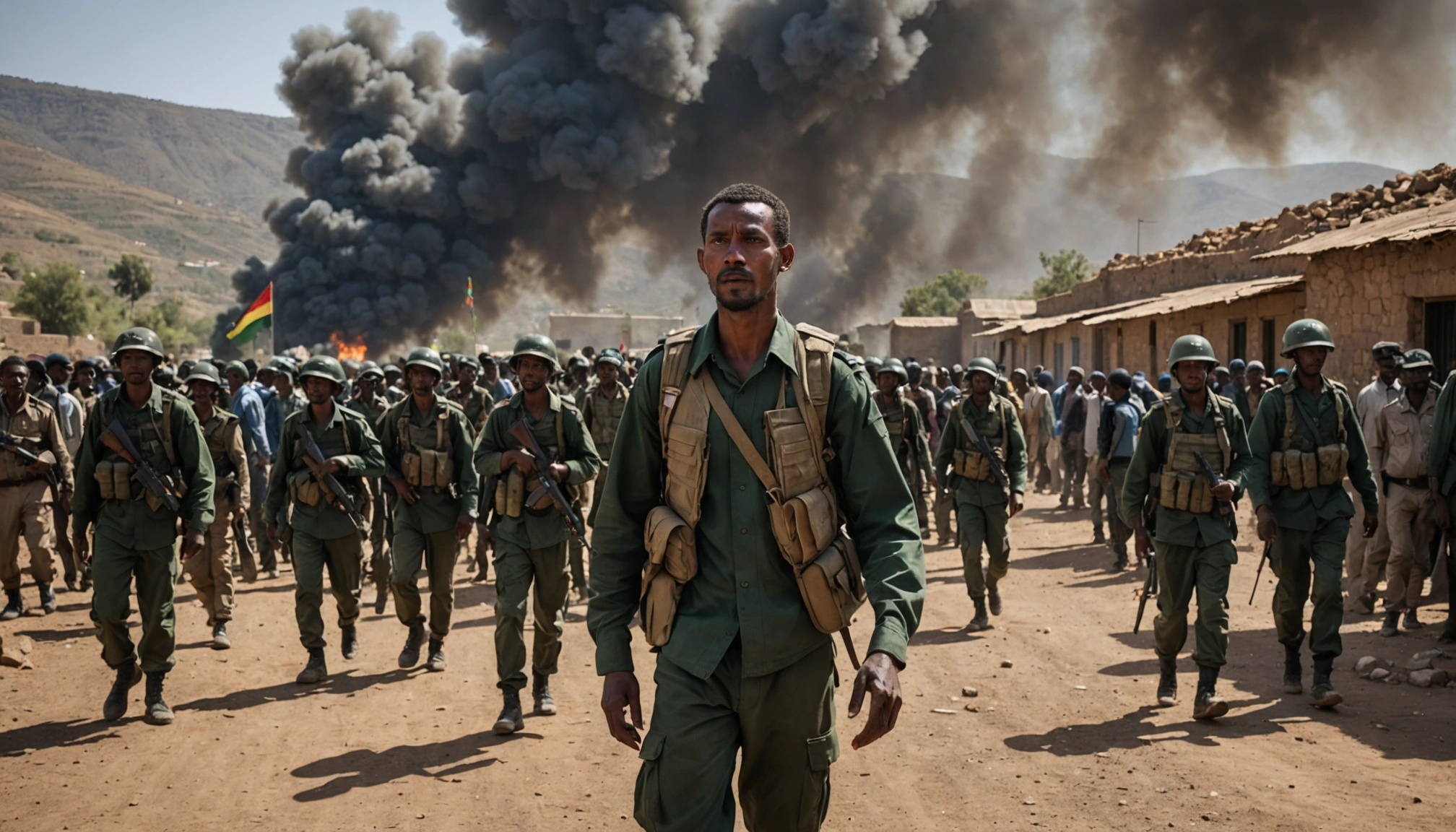
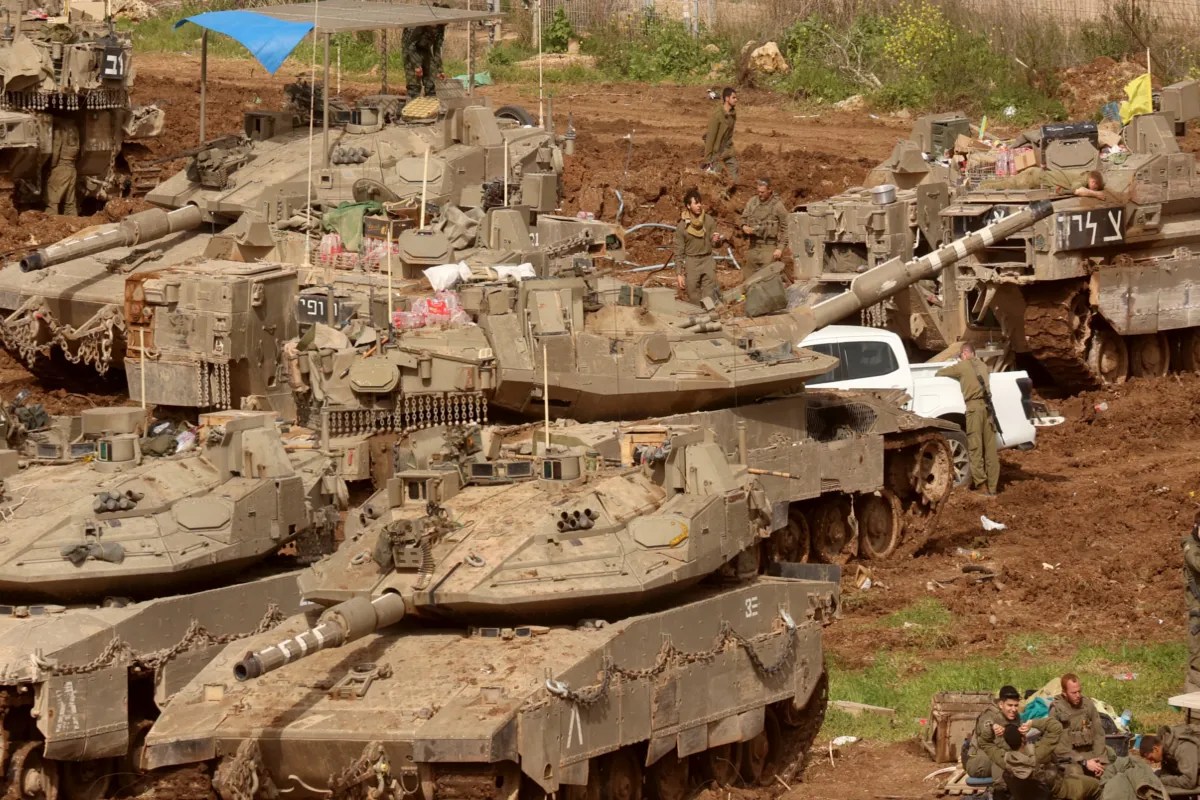
Recent reports from the border zones suggest that the diplomatic "triumph" of a truce is bleeding out in the dirt. Hezbollah fighters, entrenched in the jagged limestone hills, have reportedly targeted Israeli Merkava tanks with guided missiles. In response, the Israeli Defense Forces have unleashed a familiar, devastating rhythm of counter-strikes. The headlines call it a "violation." The people living in the smoke call it Tuesday.
The Ghost of Diplomacy
Diplomats in air-conditioned rooms talk about "frameworks" and "buffers." They draw lines on maps with digital precision. But these lines don't account for the heat of a missile battery or the adrenaline of a soldier who hasn't seen his family in six months. When Hezbollah launches a drone or fires an anti-tank rocket, they aren't just hitting armor. They are puncturing the very idea that words can stop bullets.
The Israeli tanks, symbols of a massive military machine, represent more than just tactical assets. They are the physical manifestation of a border that refuses to stay settled. When one of these steel giants is hit, the ripples go far beyond the charred metal. The shockwaves travel to Tel Aviv, where families wonder if the sirens will ever truly stop, and to Beirut, where the fear of total collapse is the only thing more certain than the sunrise.
The Anatomy of a Broken Promise
Why does the fighting resume before the signatures are even dry?
Consider the perspective of a fighter in the hills. To him, a ceasefire is often viewed not as a bridge to peace, but as a strategic window. It is a time to reposition, to scout, and to test the resolve of the adversary. On the other side, the Israeli military operates on a doctrine of proactive defense. If they see a movement they don't like, they strike.
It is a feedback loop of paranoia.
- A movement is detected in the brush.
- A trigger is pulled.
- A "retaliation" is launched.
- The ceasefire is declared a "sham" by both sides.
This isn't a misunderstanding. It is a fundamental disagreement on what peace looks like. For one side, peace is the absence of the other's influence. For the other, it is the security of total dominance. These two definitions cannot occupy the same space.
The Weight of the Rubble
The tragedy of the latest escalations in Lebanon isn't found in the tally of tanks destroyed or missiles intercepted. It is found in the recurring nature of the destruction. There is a specific kind of exhaustion that comes from rebuilding the same wall three times in a single year.
In the southern suburbs and the border villages, the "heavy destruction" mentioned in news briefs translates to pulverized memories. A wedding photo under a layer of gray dust. A child’s toy melted into the asphalt. When an Israeli strike hits a suspected Hezbollah depot, the collateral is often the civilian infrastructure that keeps a dying economy on life support.
Lebanon is a country currently held together by duct tape and prayers. Its currency is a ghost. Its government is a shadow. Every time a new round of shelling begins, the nation loses a little more of its soul. The stakes aren't just territorial; they are existential. If this "ceasefire" fails completely, we aren't just looking at a border skirmish. We are looking at the potential erasure of a functional society.
The Invisible Stakes
We often focus on the hardware—the Iron Dome, the Kornet missiles, the F-16s. These are easy to track. They have serial numbers. What we miss are the invisible stakes: the radicalization of a generation that has only known the basement of a bomb shelter.
When a tank is hit, it’s a news cycle. When a village is leveled, it’s a recruitment drive.
The cycle of violence creates its own momentum. It becomes an industry. There are leaders on both sides who find political utility in the chaos. A state of perpetual "almost-war" allows for the tightening of domestic control and the silencing of internal critics. In this environment, a successful ceasefire is actually a threat to the status quo of those in power.
The Mirage of Control
There is a common fallacy that if we can just get the right people at the table, the violence will stop. This assumes that the "right people" actually have total control over the men on the ground.
The border between Israel and Lebanon is a chaotic ecosystem. You have official military units, paramilitary factions, local militias, and "lone wolves" all operating in a space the size of a small American county. It only takes one person with a grudge and a rocket launcher to invalidate months of international mediation.
The recent reports of Israeli tanks being targeted indicate that the command structure of the resistance is either unable or unwilling to hold the line of the truce. Conversely, the scale of the Israeli response suggests a military that is tired of waiting for diplomacy to bear fruit.
A Choice Between Scars
Peace in this region is rarely about healing. It is about choosing which scars you can live with.
The current situation is a grim reminder that a ceasefire is not peace; it is merely a different phase of conflict. It is the phase where the killing slows down just enough for the world to look away. But the people of Southern Lebanon and Northern Israel cannot look away. They live in the crosshairs.
As the dust settles from the latest exchange, the question isn't whether the ceasefire is a "deception." The question is whether we have become so cynical that we no longer recognize the difference between a truce and a trap.
A man in a border town sits on his porch. He looks at the horizon. He sees a plume of black smoke rising from the valley where a tank was just struck. He doesn't check the news to see if the ceasefire is still in effect. He doesn't need to. He simply goes inside, gathers his children, and heads back to the basement.
The silence has ended, but the waiting never does.