The air in the Situation Room is famously stale. It is a subterranean pressure cooker where the weight of the world isn’t just a metaphor; it is the literal thickness of the atmosphere. Men and women sit around a table, their faces illuminated by the blue-white glow of high-resolution monitors, watching the movement of steel and fire halfway across the globe. They speak in the clinical language of "assets," "surgical strikes," and "de-escalation windows." But for a mother in a suburb of Tehran or a soldier stationed on a carrier in the Persian Gulf, these words are the difference between a normal Tuesday and the end of everything they know.
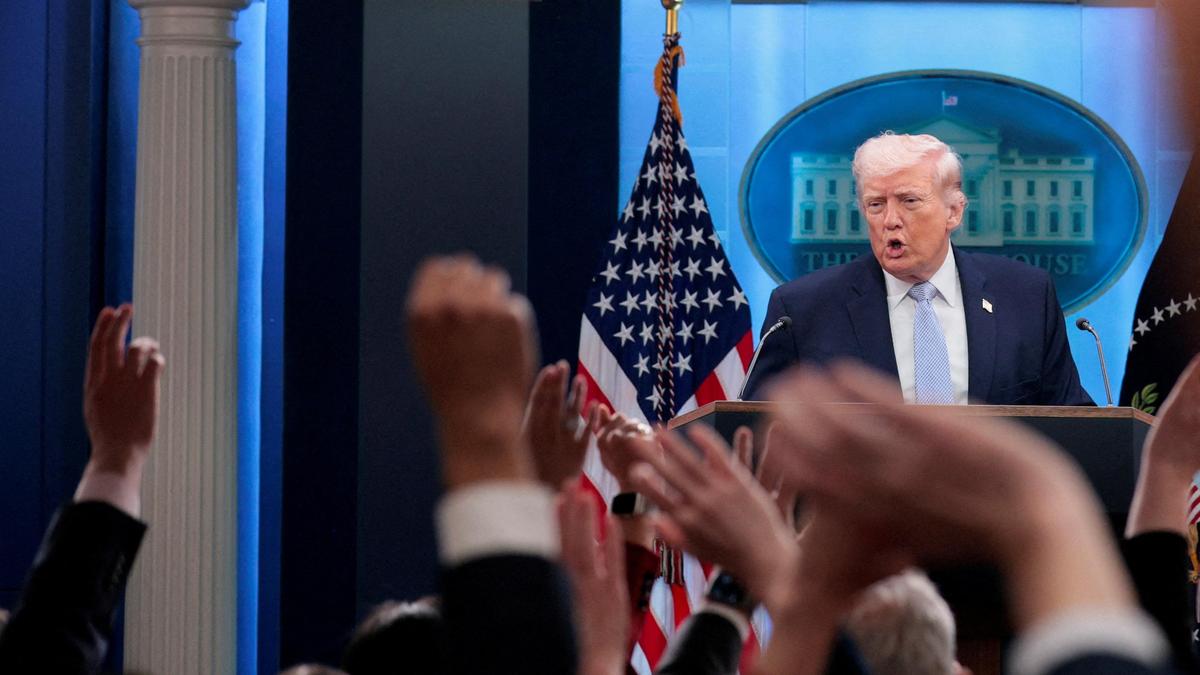
The news broke with the suddenness of a lightning strike on a clear day. Donald Trump announced he had reached an agreement to suspend the bombing and attack of Iran for two weeks. Fourteen days. It sounds like a vacation. It sounds like a fortnight. In the context of a century-long struggle for hegemony and survival, it is a heartbeat. Yet, for those living under the shadow of looming kinetic conflict, those fourteen days represent a sudden, jarring gift of oxygen.
Think about a small business owner in Isfahan. Let’s call him Reza. For months, Reza has been watching the exchange rates fluctuate like a dying pulse. He has been listening to the low rumble of rhetoric, wondering if the next sound he hears will be the whistle of a cruise missile or the shatter of his storefront. War is not just about the moment the bombs fall. It is about the agonizing, slow-motion dread that precedes them. It is the inability to plan for next month because you aren’t sure there will be a next month. When the headline hits—two-week suspension—Reza doesn't think about geopolitical leverage. He thinks about the fact that he can buy inventory for his shop without fearing it will be rubble by Friday.
Politics often ignores the sensory reality of the people it governs. We talk about "The Iranian Regime" or "The American Administration" as if they are monolithic blocks of granite clashing in an empty sea. We forget the smell of diesel on the docks of Bandar Abbas. We forget the way the light hits the Potomac in the early morning. Behind every "stand-down order" are thousands of individual human hearts that suddenly stop racing quite so fast.
This suspension isn't a peace treaty. It isn't a grand bargain or a final resolution of the nuclear file. It is a tactical pause, a jagged piece of duct tape slapped over a bursting pipe. To the cynics in Washington, it looks like a maneuver—a way to buy time, to reposition, to see who blinks first under the sun of a temporary reprieve. To the hawks, it looks like weakness. To the doves, it looks like a missed opportunity to do more.
But consider the silence.
The silence of a battery of missiles that stays horizontal. The silence of a bomber that remains in its hangar. That silence is heavy. It is a physical presence. In the world of high-stakes international relations, we are conditioned to believe that movement is progress. We think that "doing something" is the only way to lead. Sometimes, the most powerful thing a leader can do is stop. The act of halting a kinetic machine that has been rolling toward a cliff is an exercise in immense, terrifying friction. It requires more energy to brake a freight train than it does to let it keep rolling.
There is a psychological phenomenon known as "the reprieve effect." When a terminal pressure is suddenly lifted, even temporarily, the human brain undergoes a radical shift. The "fight or flight" response, which burns through the body’s resources like a forest fire, begins to recede. In that space, logic has a chance to breathe. This fourteen-day window is not just a military pause; it is a cognitive one. It provides a rare moment where the leaders on both sides are forced to imagine what happens on day fifteen.
What does day fifteen look like?
If the bombs start falling then, the tragedy is doubled. There is a specific kind of cruelty in giving a person a glimpse of peace only to snatch it away. It makes the subsequent violence feel more intentional, more chosen. By agreeing to this suspension, the stakes for what comes next have actually been raised. The "momentum of war" has been broken. If it starts again, it won't be because of a misunderstanding or a sudden flare-up. It will be because someone consciously decided to end the quiet.
The logistics of such a pause are a nightmare of coordination. You have to tell the pilots, the drone operators, the naval commanders, and the intelligence officers to hold. You have to ensure that a single nervous finger on a trigger doesn't ignite the whole tinderbox. It is a dance of incredible fragility.
Imagine a young sailor on the USS Abraham Lincoln. He’s twenty years old. He hasn't slept more than four hours at a stretch in weeks. His world is grey steel and the constant hum of the ship's engines. He’s been told for months that he is the tip of the spear. Suddenly, the spear is lowered. He gets a letter from home, or he watches a movie, and for a moment, the identity of "warrior" slips, and the identity of "human being" returns. This is the invisible cost of the pause: it humanizes the participants. It makes the prospect of going back to the brink feel even more absurd than it did before.
Critics will argue about the "why." Was this a move to influence domestic polls? Was it a response to a back-channel threat that the public will never know about? Was it a genuine moment of hesitation from a man who prides himself on being unpredictable? These questions matter to historians and pundits. They matter very little to the people whose homes lie within the strike zones.
We live in an era of "maximum pressure," a phrase that sounds like a setting on a washing machine but describes a policy of strangling an entire nation’s economy until something breaks. The problem with maximum pressure is that eventually, things do break. And they rarely break in the way you expect. They shatter. They explode. They send shards of glass flying into the eyes of everyone nearby. A two-week suspension is a loosening of the grip. It is a realization, perhaps, that a hand permanently clenched into a fist cannot pick up a pen.
The history of the Middle East is a graveyard of "temporary" measures that became permanent tragedies. But it is also a place where small, unexpected gestures have occasionally averted total catastrophe. We often view these events through the lens of grand strategy, as if we are playing a game of Risk on a coffee table. But the map is made of skin. The borders are drawn in blood. Every "asset" moved is a collection of brothers, daughters, and fathers.
The world holds its breath. It is a collective inhalation, a lungful of air taken by millions of people who didn't realize how much they were gasping. We are currently in the middle of that breath. The clock is ticking toward the end of the fourteen days, each second a reminder of how quickly the quiet can be shattered.
In a small cafe in North Tehran, the steam rises from a cup of tea. The man holding it isn't thinking about the uranium enrichment levels or the range of a Tomahawk missile. He is looking at the sun hitting the mountains and thinking about whether he should call his brother. He has two weeks of certainty. In a world that offers so little of it, two weeks can feel like a lifetime.
The true test of leadership isn't found in the ability to start a fire. Any child with a match can do that. The test is in the ability to hold back the flame when the wind is blowing hardest. We are watching a high-wire act performed over an abyss, and for the next fourteen days, the wire has stopped shaking.
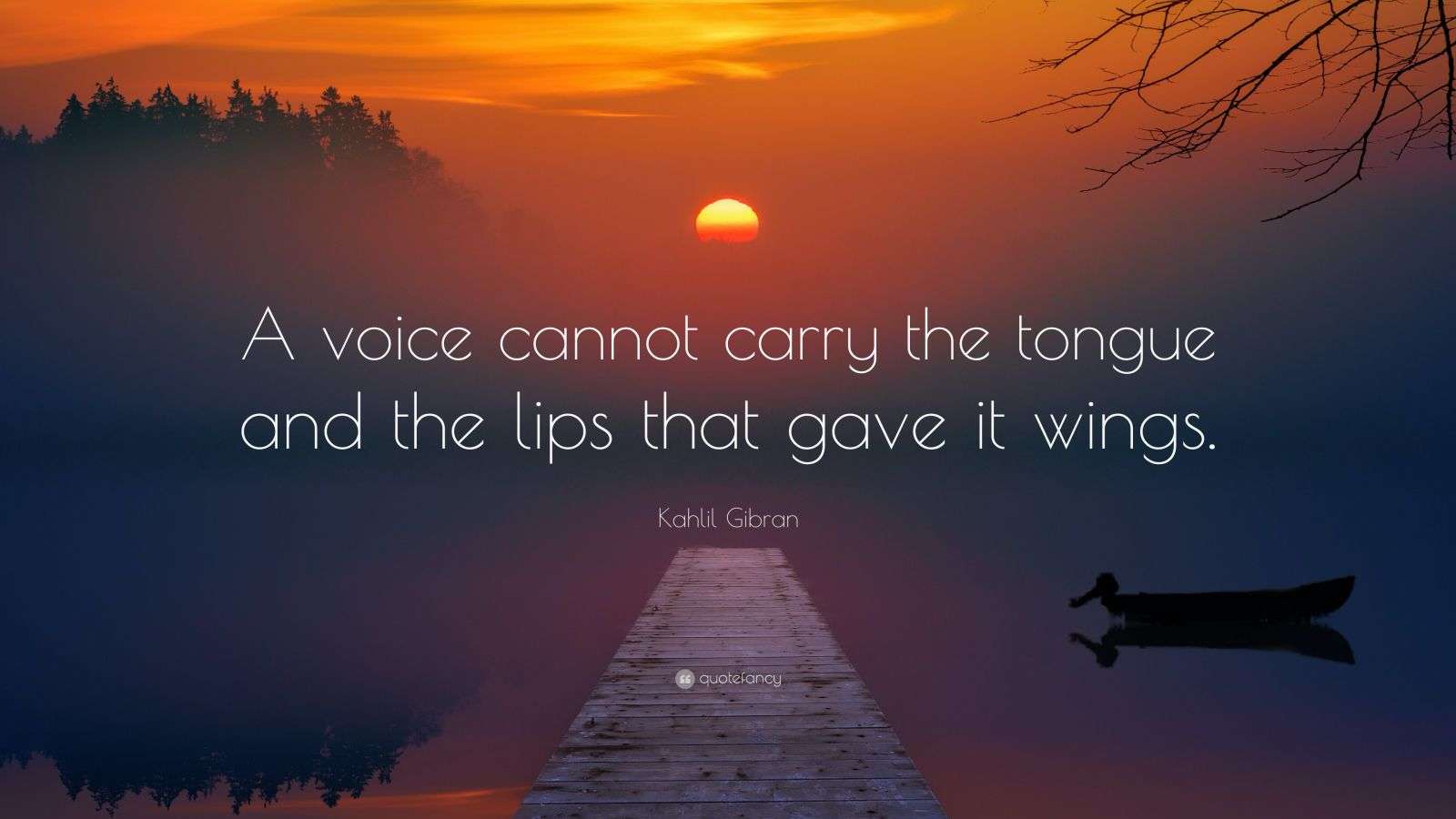
The sun sets over the Persian Gulf, casting long, golden shadows across the decks of warships and the roofs of ancient cities alike. For tonight, the skies remain empty of everything but the stars. It is a fragile, temporary, and deeply human peace. It is the kind of silence that makes you realize just how loud the world has become, and how much we have to lose if the noise returns.