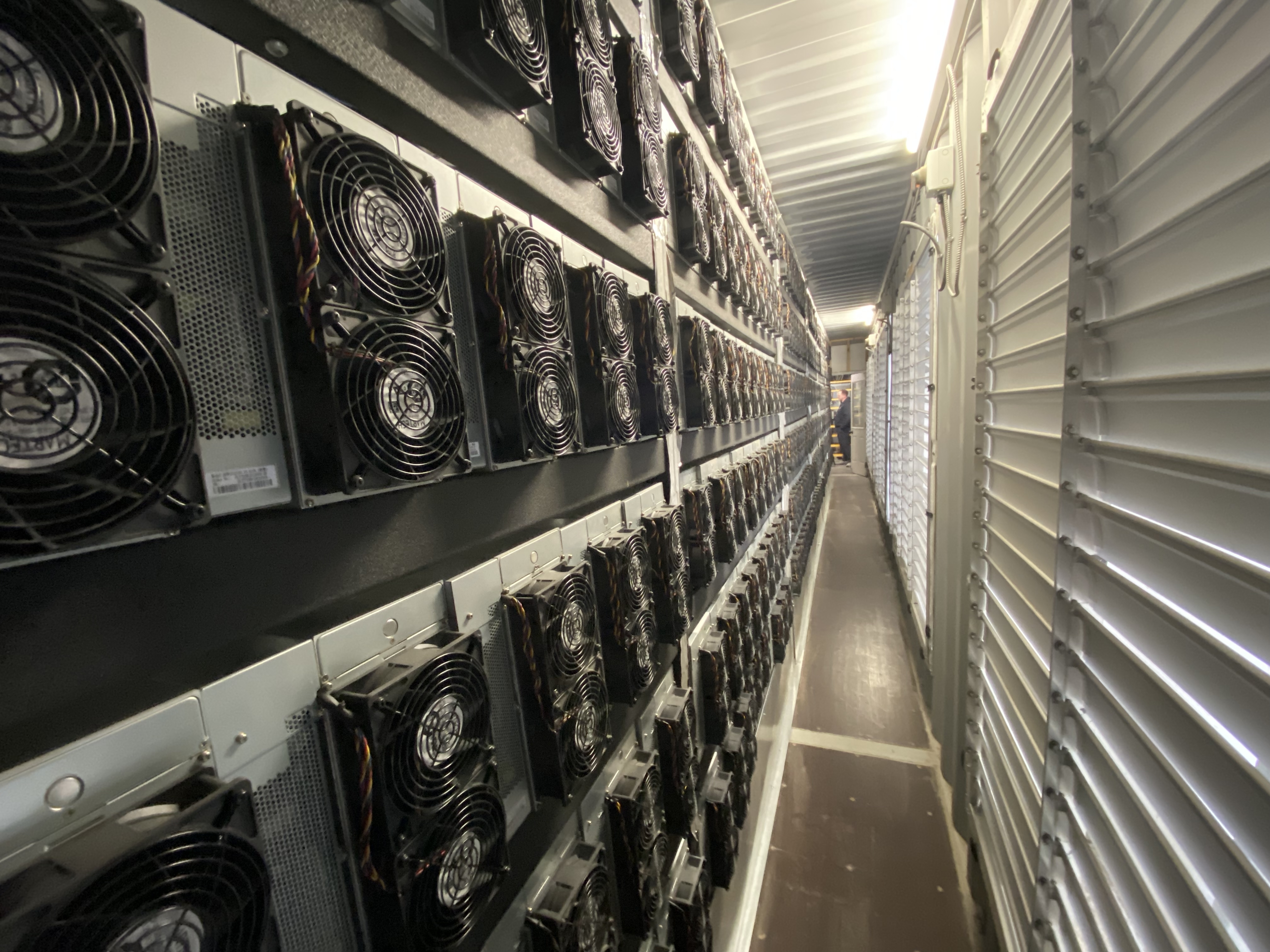
The hum is the first thing you notice. It isn't just noise; it’s a physical presence, a low-frequency vibration that settles in the marrow of your bones. In the vast, frost-nipped stretches of Manitoba, where the wind usually carries nothing but the scent of pine and the promise of a long winter, this digital heartbeat has become the sound of a new frontier. But lately, that heartbeat is skipping.
Consider a man like Elias. He isn't a corporate titan or a shadowy hacker in a basement. He’s a former warehouse manager who sank his life savings into a series of shipping containers lined with humming processors. To Elias, these machines aren't just "crypto miners." They are his retirement, his gamble against inflation, and his contribution to a province that has long marketed itself as the ultimate sanctuary for high-density computing.
Manitoba offered the two things every digital prospector craves: cold air to soothe overworked hardware and cheap, renewable hydroelectric power. For years, the province beckoned. Now, the door is being pushed shut.
The provincial government has introduced legislation that would give it the power to restrict, or even outright deny, electricity to operations like Elias’s. On paper, it is a matter of "grid stability" and "prioritizing the public good." In the eyes of the people who have built their lives around these circuits, it feels like a bait-and-switch.
The Invisible Toll on the Grid
The central tension lies in a simple, terrifying number: megawatts. A single large-scale crypto mining operation can consume as much electricity as a small city. When the Manitoba government looks at its hydroelectric dams, they don't see "digital gold." They see a finite resource. They see new housing developments that need heat, hospitals that need light, and traditional industries that need stable costs.
There is a visceral fear that if the miners are left unchecked, the average resident’s utility bill will skyrocket. It is the classic struggle of the commons. If one person drinks too much from the well, the rest of the village goes thirsty.
But the miners argue the well isn't running dry; it’s just being mismanaged.
The data suggests that Manitoba has a surplus of power, especially during the off-peak hours of the deep night. Miners are unique because they are "interruptible" loads. Unlike a hospital, a mining rig can be throttled or shut down in seconds if the grid experiences a spike in demand. They are the ultimate shock absorbers for an energy provider. Yet, the new legislation treats them as a threat rather than a tool.
The Human Capital of Code
We often talk about the "crypto industry" as if it were a monolith of code and silicon. It isn't. It’s people.
When a province signals that a specific industry is no longer welcome, it doesn't just lose tax revenue. It loses the talent. It loses the young engineers who moved to Winnipeg or Brandon because they saw a chance to be at the forefront of a financial revolution. It loses the electricians who specialized in high-voltage industrial setups.
Elias looks at his rigs and sees more than just Bitcoin. He sees the hours spent troubleshooting in minus-forty-degree weather. He remembers the pride of hiring his first two employees—local kids who were learning more about global finance and thermal dynamics than they ever did in a classroom.
If this legislation passes in its current, restrictive form, those kids won't just find other jobs. They will leave. They will take their expertise to North Dakota, or Texas, or anywhere else that views their work with curiosity rather than suspicion. The brain drain is a silent killer of local economies. It’s a slow leak that you don't notice until the room is empty.
The Language of Risk
The government’s rhetoric often leans on the "speculative nature" of cryptocurrency. They point to the volatility of the market as a reason to be wary. If the market crashes, they argue, these miners will vanish overnight, leaving the province with expensive, unused infrastructure.
It is a valid concern. But it is also a hypocritical one.
Governments routinely subsidize traditional industries—mining, manufacturing, oil—that are equally beholden to the whims of global commodity prices. When the price of nickel drops, mines close. When the price of oil bottoms out, rigs go silent. We accept this as the natural rhythm of business. Why is digital mining treated as a moral failing rather than a market risk?
The uncertainty created by the proposed laws is already doing more damage than a market crash ever could. Investment hates a vacuum, but it loathes a moving target even more. By threatening to pull the plug, the province is effectively ending the experiment before the results are even in.
A Question of Sovereignty
Beneath the talk of volts and vents lies a deeper, more philosophical question: who owns the energy?
If a citizen or a business pays for a service at a set rate, should the government have the right to tell them how to use that service based on the perceived "social value" of their work? Today it is crypto miners. Tomorrow, could it be AI data centers? Or perhaps a greenhouse operation that grows a crop the current administration deems unnecessary?
This is the slippery slope that keeps Elias awake at night, even over the dull roar of his fans. It isn't just about his machines. It’s about the precedent.
Manitoba’s hydro power is a crown jewel, a source of immense pride. It is clean. It is powerful. It is the legacy of decades of engineering. Using that power to fuel the next generation of the internet should, in theory, be a perfect marriage of old-world resources and new-world ambition. Instead, it’s becoming a messy divorce.
The wind picks up outside Elias's facility, swirling snow against the corrugated metal walls. Inside, the lights on the servers blink in a rhythmic, emerald green. It is a beautiful, complex dance of electrons.
He checks his phone. Another news update about the legislative debate. Another politician talking about "protecting the ratepayer" from the "digital threat."
Elias sighs and places a hand on the warm casing of a miner. He can feel the energy moving through it—the literal transformation of falling water into digital value. He wonders how much longer he will be allowed to catch that water. He wonders if the province realizes that once the hum stops, it might never start again.
The silence that follows won't be the peaceful quiet of a winter morning. It will be the heavy, hollow silence of an opportunity that was feared until it was finally driven away.