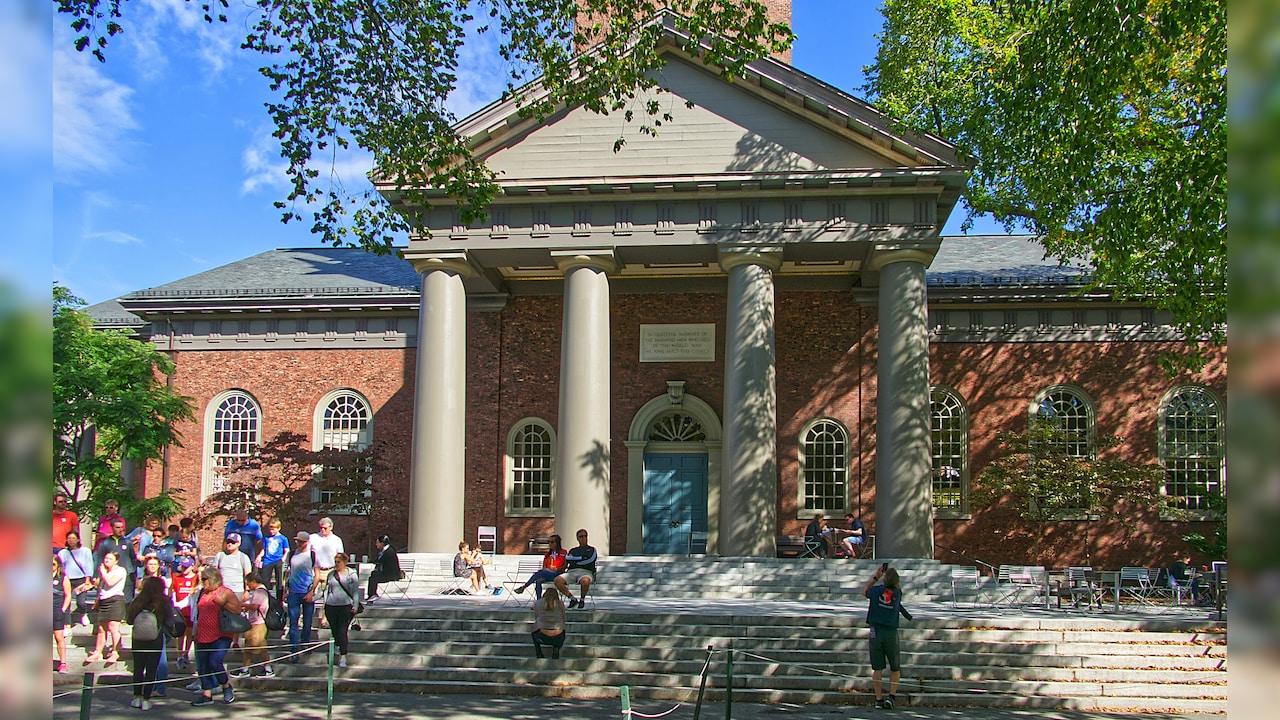
The Department of Justice just threw a brand new wrench into its ongoing fight with Ivy League academia. Federal investigators opened a compliance review targeting Harvard University's China-based financial aid programs. The Civil Rights Division wants to determine if scholarships funded by donors in China illegally exclude American students based on their national origin.
It's an aggressive legal maneuver. For months, federal agencies have put pressure on major research universities through funding cuts, patent reviews, and oversight probes. Now, the government is leaning on Title VI of the Civil Rights Act of 1964 to argue that accepting earmarked foreign funds for specific student populations amounts to discrimination against U.S. citizens.
If you've been following the ongoing legal friction between Washington and Cambridge, this latest investigation changes the battlefield entirely. It shifts the argument from national security and foreign influence reporting to civil rights law.
The Unique Civil Rights Argument Against Foreign Scholarships
Under Section 117 of the Higher Education Act of 1965, colleges must report any gifts or contracts from foreign sources that top $250,000 in a calendar year. Federal disclosures show Harvard has reported nearly $4.5 billion in foreign funding over the years. That's the highest total of any school in the country. Of that total, more than $630 million originated from sources based in China.
The Justice Department isn't just looking at whether those funds were disclosed properly. They're looking at how the money gets spent.
According to Assistant Attorney General Harmeet K. Dhillon, who heads the Civil Rights Division, schools that receive federal taxpayer dollars can't take money from overseas donors to set up aid programs that shut out American citizens. The government's claim rests on the idea that when a university accepts cash restricted to citizens of a specific country, it disadvantages American students who might otherwise compete for those resources.
Harvard pushed back quickly. School officials stated that the university complies with foreign gift reporting laws and doesn't discriminate on the basis of race, ethnicity, or national origin when distributing financial assistance.
The university treats international students differently than most American schools do. While many U.S. colleges offer little to no financial aid to non-citizens, Harvard provides need-based financial assistance to international undergraduates under the same general guidelines as domestic students. The university uses its own internal endowments and private gifts to fund those grants.
Some of those private gifts come with explicit geographic conditions. Back in 2014, real estate moguls Pan Shiyi and Zhang Xin donated $15 million to Harvard through their SOHO China Foundation. The gift was intended specifically to fund scholarships for underprivileged Chinese students studying at the university. At the time, the gift drew heavy criticism inside China from commentators who thought the money should stay local. Now, twelve years later, that same style of targeted donor agreement is sitting right in the crosshairs of federal civil rights attorneys.
Why Private Endowments Are Getting Scrutinized
Private donors restrict grants all the time. Study abroad awards, regional scholarships, and affinity-based endowments have existed in higher education for generations.
So why target Harvard's international programs right now?
The government's argument relies on a novel interpretation of Title VI. The federal government argues that if an institution accepts federal dollars, every program under its umbrella must adhere to strict non-discrimination guidelines regarding national origin. When a donor specifies that aid must go to students from a specific country, the government asserts that American students are excluded solely because they weren't born there.
That argument creates a sticky legal precedent for university development offices across the country.
- If a donor from Japan endows a scholarship exclusively for Japanese exchange students, does that violate Title VI?
- If a European foundation funds grants specifically for students from Scandinavia, is the university exposed to federal compliance audits?
- Does restricting aid by country of origin constitute illegal discrimination, or is it a standard feature of international educational exchange?
These questions aren't just academic. They strike at the core of how private universities raise money and build global brand presence.
The Bigger Financial Picture for Ivy League Schools
Harvard isn't facing this pressure in a vacuum. The institution has spent months navigating intense financial and regulatory pushback on multiple fronts. Federal grants have been frozen or canceled across several departments. The university even set aside $250 million of its own operational budget to keep affected research laboratories running when federal funding paused.
Court records show the university's operating losses topped $112 million in fiscal year 2025 as legal bills escalated and administrative costs mounted.
When you look at the raw numbers, the scale of foreign contributions becomes clear.
Harvard reported $4.5 billion total in foreign funding disclosures over several decades. Out of that total, Chinese sources accounted for $630 million.
Those funds helped build research partnerships, international student aid funds, and campus exchange initiatives. If the Justice Department establishes that accepting restricted foreign scholarships violates civil rights statutes, universities will have to choose between turning away foreign donors or forfeiting federal research funding.
Chinese officials have already responded to the investigation. Embassy spokesperson Liu Chang noted that educational cooperation between the two nations is mutually beneficial, warning against disrupting academic exchanges for political reasons.
How Universities Manage Restricted Foreign Gifts
Understanding how higher education handles international donations helps explain why this legal fight is so complicated.
When a foreign national donates to a private U.S. university, the agreement goes through gift processing and legal compliance teams. The university reviews the language to make sure the money complies with federal reporting laws and campus standards.
Here's what typically happens when money comes in from overseas:
- Disclosure Verification: Gifts over $250,000 are flagged and logged to meet Section 117 guidelines under the Higher Education Act.
- Terms Review: University attorneys check donor restrictions to ensure they don't violate federal civil rights laws or standard admissions policies.
- Fund Allocation: The money gets placed into dedicated endowment accounts, where interest or principal funds specific line items, like international aid or department research.
The friction point in this review isn't whether Harvard logged the money. The Justice Department readily admits the university reported the funding on public portals. The dispute is over whether the conditions attached to those gifts violate civil rights law once the university accepts them.
If federal regulators decide that national origin restrictions on private aid violate Title VI, hundreds of colleges will need to audit their donor agreements immediately.
What Higher Education Leaders Need to Do Right Now
College administrators and legal teams can't afford to sit on the sidelines while this compliance review plays out. The DOJ's Civil Rights Division made it clear that this investigation is a proactive compliance audit, not a reaction to an outside student complaint. That means federal agencies are actively auditing foreign gift registries for potential enforcement targets.
If you manage university donor relations, financial aid systems, or legal compliance, here are concrete steps to protect your institution:
Review every foreign donor contract immediately. Check for language that restricts financial aid or fellowships exclusively to citizens of specific foreign nations. Pay special attention to funds where American citizens are explicitly barred from applying.
Consult outside legal counsel regarding Title VI exposure. Ask your legal team to evaluate whether your current international scholarship accounts align with national origin non-discrimination standards.
Prepare clear public reporting for all Section 117 filings. Ensure that every foreign gift over $250,000 is fully documented with clear descriptions of donor terms on federal public access portals.
Audit your financial aid distribution workflow. Make sure selection committees document their criteria clearly so you can demonstrate that domestic students aren't being denied opportunities based on arbitrary or unlawful conditions.